Author: Isaac Gendler

Noise Dose

Noise Dose

Noise Dose

01/24/26

“How can we quantify the level of noise someone is exposed to over time?”

Listening to too much loud noise is a well-known safety risk. The constant vibration in your ears can lead to long-term damage if not managed properly. The Noise Dose quantifies how much noise a person has been exposed to for the day, regarding safety levels. We can quantify noise dose by taking the hours someone listened to a certain decibel of noise and dividing it by the maximum number of hours it’s safe to listen to that noise level per day. We can sum this ratio for every noise decibel level heard throughout the day, multiplied by 100% to arrive at the total noise dose. If a noise dose exceeds 100 percent, then the person has breached the healthy recommended daily noise levels.

Chronic Daily Intake

Chronic Daily Intake

Chronic Daily Intake

01/23/26

“How can we calculate the amount of contaminant a person is exposed to daily?”

People are exposed to all kinds of substances throughout the day, whether it’s from the food we eat or the air we breathe. Some of these substances are harmful and can lead to health problems. We can measure how much of these contaminants we expose ourselves daily through Chronic Daily Intake. Chronic daily intake is typically expressed as milligrams of substance per kilogram of body weight per day. The US E.P.A uses chronic daily intake as part of health hazard assessment.

Plume Rise

Plume Rise

Plume Rise

01/22/26

“How far does air pollution rise after release from a stack?”

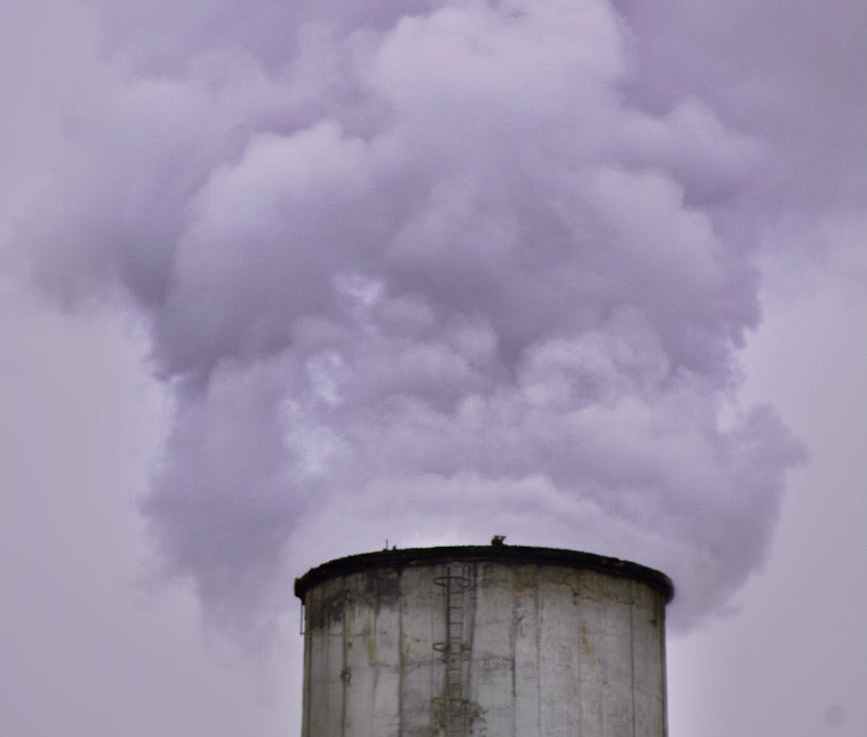
People often release waste air from a building stack. This air will rise to a certain height called the Plume Rise before moving in the direction of the wind. The higher the plume rises, the lower the amount of pollution that will fall on the ground. A higher exit temperature and faster exhaust speed lead to a larger sack height.

Acceptable Daily Intake (ADI)

Acceptable Daily Intake (ADI)

Acceptable Daily Intake (ADI)

01/21/2026

“How does the WHO measure how much a certain substance in food or drinking water can be consumed daily over a lifetime without an appreciable health risk?”

NOAELs document how much of a substance an organism can handle before a statistically significant health effect occurs. However, these studies may be conducted in controlled environments or on test animals that may not accurately reflect human conditions. To account for all of these variables, organizations such as the World Health Organization (WHO) and the European Food Safety Authority (EFSA) use Acceptable Daily Intake (ADI). Acceptable daily intake measures the amount of a certain substance in food or drinking water that can be consumed daily over a lifetime without an appreciable health risk to people. This is commonly expressed as milligrams of substance per kilogram of body weight and is applied by regulatory and health authorities all over the world to monitor food additives, pesticides, and much more. Acceptable daily intake is applied to food ingredients similar to how reference dose is applied to environmental toxins.

Reference Dose (RfD)

Reference Dose (RfD)

Reference Dose (RfD)

01/20/26

“How does the U.S. EPA produce recommended daily lifetime exposure limits for substances?”

NOAELs are the highest level of a substance a person can take without any statistically significant effects, according to research. However, this could be much higher than what may actually be safe for long-term use. The U.S. EPA has created the Reference Dose (RfD) in response. Reference does are the maximum acceptable oral dose of a toxic substance that has no adverse noncancer health effects from a lifetime of exposure. Reference doses are commonly found by dividing the NOAEL for a substance by uncertainty factors.

NOAEL – No Observed Adverse Effect Level

NOAEL – No Observed Adverse Effect Level

NOAEL – No Observed Adverse Effect Level

01/19/26

“How can we measure the highest dose of a substance that does not cause any statistically significant effect?”

People worry about whether a substance they’re exposed to leads to health complications. One way to understand this is to measure the highest dosage of the substance that organisms can handle before a statistically significant effect occurs. Labeled NOAEL – No Observed Adverse Effect Level, these measurements are fundamental for quantifying safe exposure levels for substances.

Wet Scrubbers (Air Pollution)

Wet Scrubbers (Air Pollution)

Wet Scrubbers (Air Pollution)

01/18/26

“How can we use water to remove harmful particles and gases from industrial air pollution?”

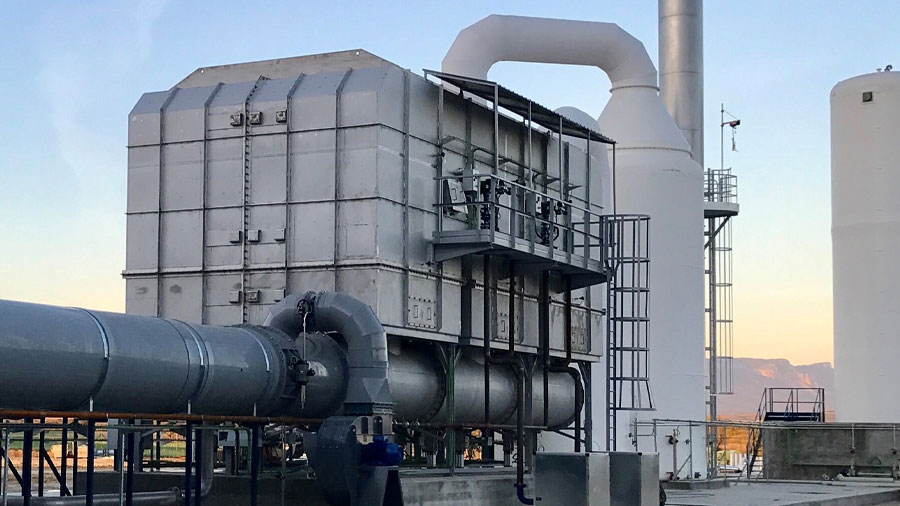
Industrial air pollution often contains toxic gases and harmful particulate matter at the same. Air pollution remediation systems typically concentrate on removing only one of these factors. Wet Scrubbers can handle both. Wet scrubbers first spray water or water-based solution droplets over the exhaust air. These droplets catch particulate matter and absorb toxic gases. Wet scrubbers usually use packing beds to maximize contact between the liquid and the exhaust air. The exhaust air will rise, cleansed of pollutants, and go through a mist eliminator to remove any remaining water droplets. People can recycle the dirtied liquid produced by these operations or treat it as wastewater. Wet scrubbers are a highly effective technology for treating industrial air pollution.

Image credit: https://tecamgroup.com/

Air-to-Cloth Ratios for Baghouse Filters

Air-to-Cloth Ratios for Baghouse Filters

Air-to-Cloth Ratios for Baghouse Filters

01/17/26

“How can we determine how to design a bag filter using one value?”

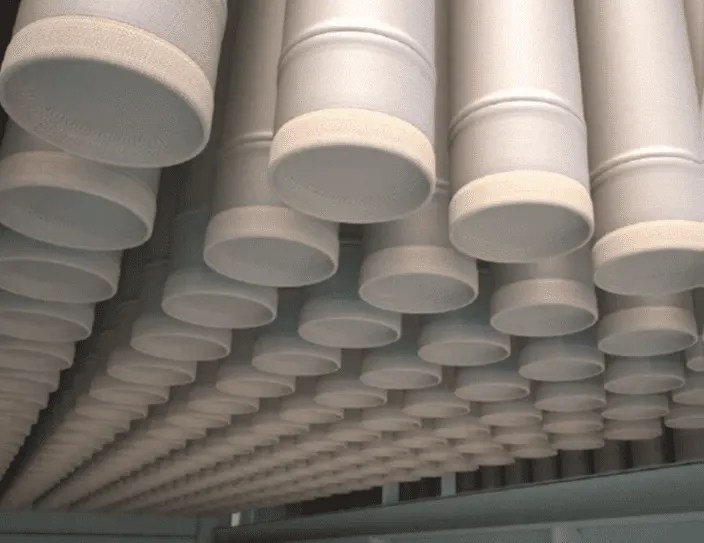
Baghouse filters are one of the most widely used industrial air pollution control technologies in the world. Their ability to stick particulate matter emissions onto bagged filters leads to their high efficiency. But how exactly do we design these machines? Well, what if we take the ratio of the volume of air moving through the cloth filters every minute vs the interior surface area of the cloth filters themselves? This value, termed the Air-to-Cloth Ratios for Baghouse Filters, determines how many volumes of air each square meter of the filters must handle. The higher the air-to-cloth ratio, the faster particles will move through the system, which increases the frequency of particulate matter clogging the filters and forcing more filter cleaning to occur.

Image credit: https://cdn-ileaghk.nitrocdn.com/

Trailer-Mounted Generators

Trailer-Mounted Generators

Trailer-Mounted Generators

01/16/26

“How can we move generators with trailers?”

Large generators are a necessity for portable and emergency large-scale power. However, transporting these behemoths is a difficult task. One way people have accomplished this is through Trailer-Mounted Generators. Trailer-mounted generators are easily attached to a trailer for transport. Trailer-mounted generators are useful for construction sites, emergency response, remote-location infrastructure, and outdoor events.