Month: March 2020

Displacement From Sea-Level Rise

Displacement From Sea-Level Rise

Displacement From Sea-Level Rise

03/08/20

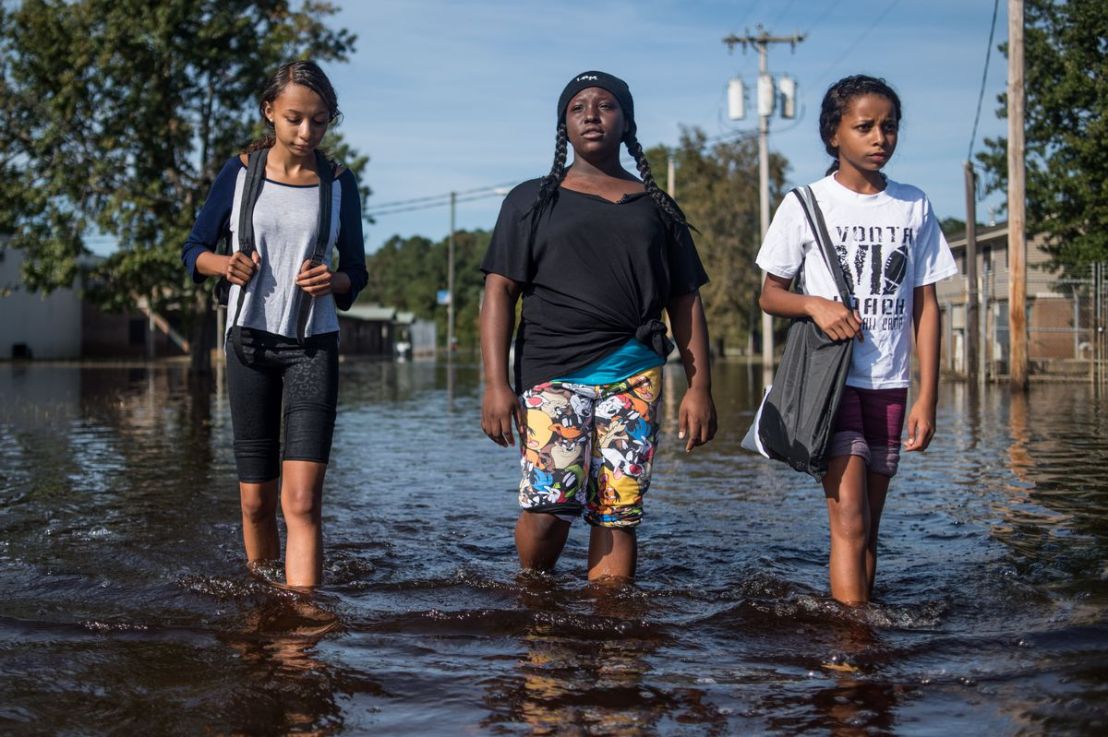
“How can sea-level rise displace people from their homes?”


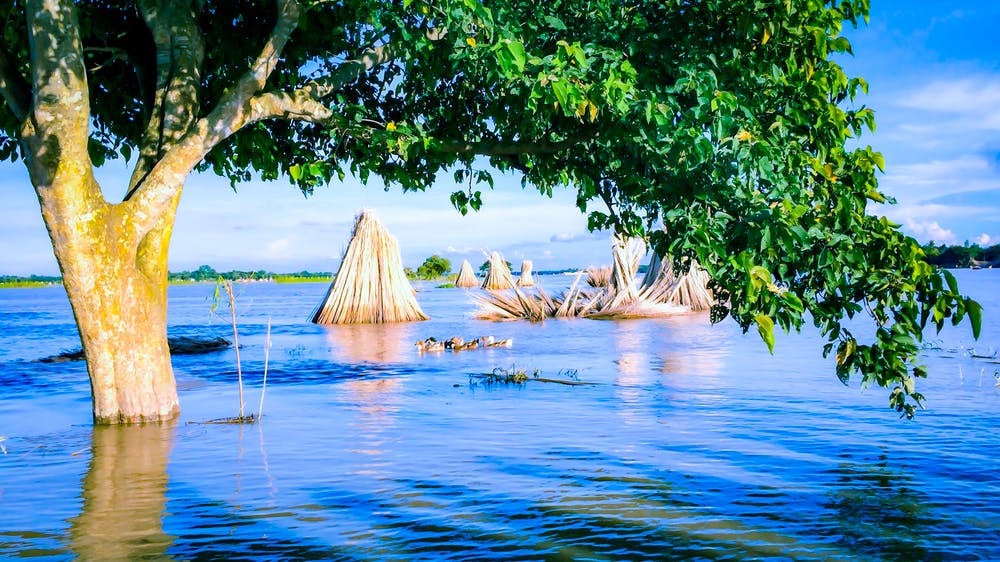
Since the dawn of civilization, humans have built their cities near the oceans and seas. However, with the advent of climate change, the sea levels are going to rise, destroying structures in their path and forcing people to flee. To prepare for this, governments and communities around the world will need to build their towns in accordance with Displacement From Sea-Level Rise.

Image credit cdn.vox-cdn.com
How Droughts Can Lead to Ecological Devastation

How Droughts Can Lead to Ecological Devastation

How Droughts Can Lead to Ecological Devastation

03/07/20

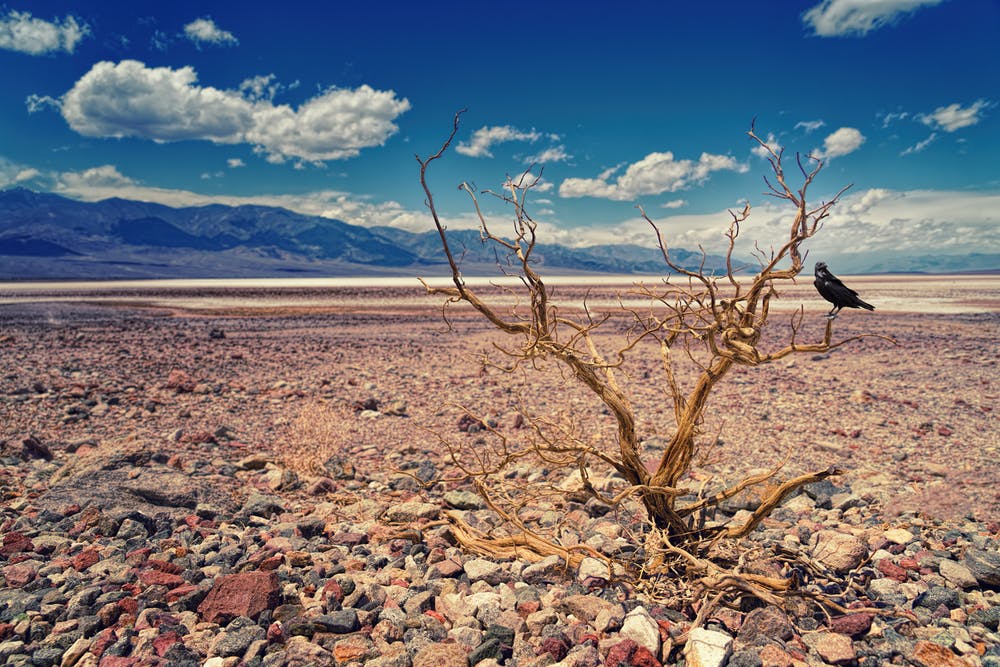
“How can droughts cause mass ecological devastation?”


Water is one of the most important ingredients of life. However, with the changing climate, droughts are becoming more common. When there is an extended period of rain-loss, plants can die out, reducing food sources for animals, cascading until a vast ecosystem death occurs. This is How Droughts Can Lead to Ecological Devastation.

Slow Onset Climate Migration

Slow Onset Climate Migration

Slow Onset Climate Migration

03/06/20

“How can climate migration have a slow onset?”


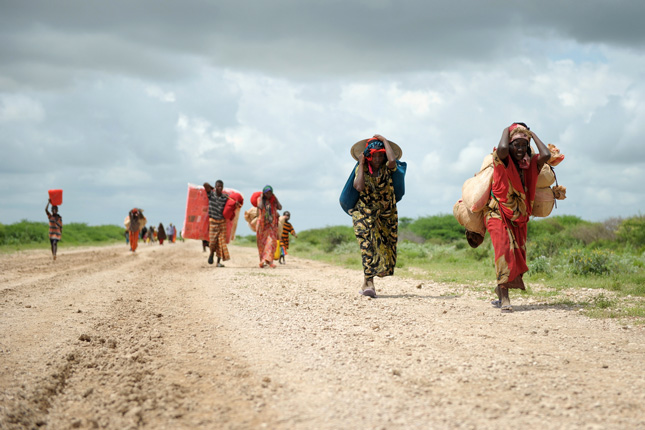
When we think of climate refugees or internally displaced people, we often think of a massive flood of people moving out such as what happened in Hurricane Katrina. However, this is not always the case. Slow Onset Environmental Migration happens when people leave an area at a trickle. For example, if a village is slowly sliding into the ocean over the span of decades then there may be no rush to evacuate the area.

Image credit http://www.newsecuritybeat.org

How Surfaces With Friction Can Help With Flood Resilience

How Surfaces With Friction Can Help With Flood Resilience

How Surfaces With Friction Can Help With Flood Resilience

03/05/20

“How can surfaces with friction help with flood resilience?”


Floods can devastate nearby communities with their fast-approaching behavior. However, if the land nearby has frictional elements such as foliage, then the flood energy can be dissipated and prevent destruction. Mangrove forests are a common example of this process. This is How Surfaces With Friction Can Help With Flood Resilience.

Village Relocation

Village Relocation

Village Relocation

03/03/20

“Why are entire villages relocating because of climate change?”


Villages and towns have been built throughout the world. However, with climate change already on its way, more and more towns are going to become vulnerable to climate impacts. In fact, the land that many villages rely upon is going to disappear. To preserve their traditional ways of life, many of these communities are talking about entire Village Relocation to safer grounds. Usually this involves finding a suitable piece of land nearby, obtaining the funding mechanisms for construction, and then building the new village in its entirety. One real-world example is that of Newtok, Alaska, where its eroding permafrost ground has prompted its citizens to move to a new location around 19 kilometers (12 miles) away.


Image credit archive.thinkprogress.org

How Infill Development Can Build Climate Resilience

How Infill Development Can Build Climate Resilience

How Infill Development Can Build Climate Resilience

03/02/20

“How can infill development lead to increased climate resilience?”


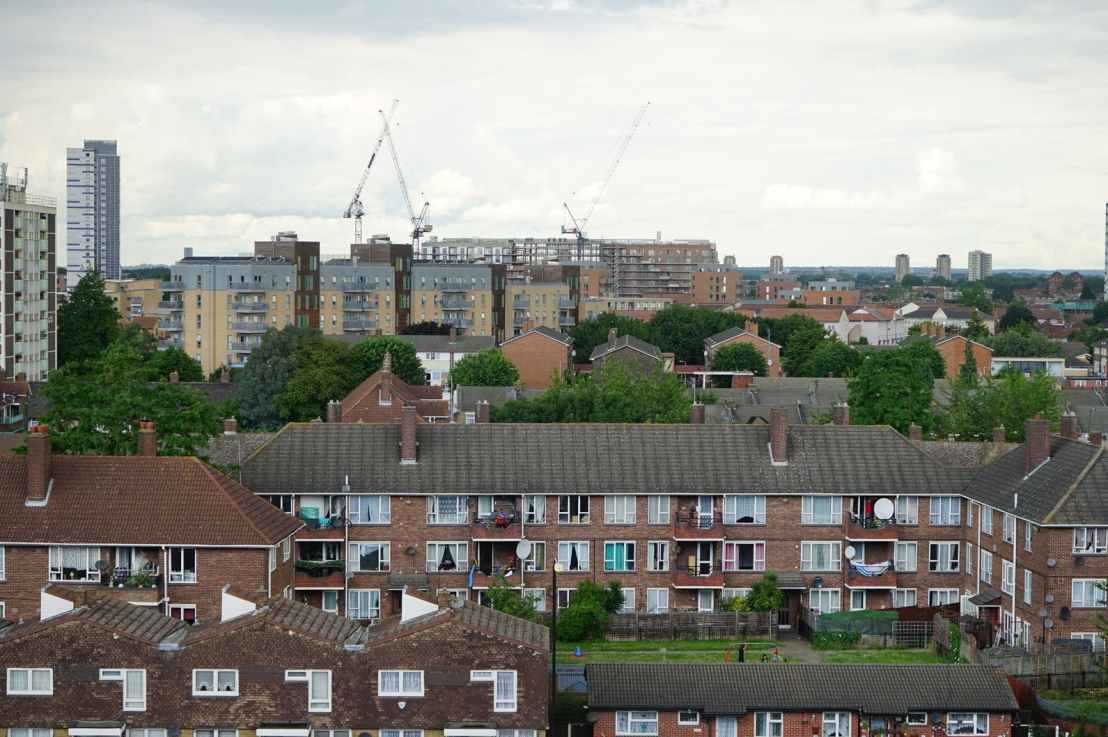
Infill development is a wonderful solution to densify the urban core without (at least directly) causing any displacement. This increased density also has the added effect of protecting from sprawl and branching out into unsafe zones that could be subject to wildfires and floods. This is How Infill Development Can Build Climate Resilience.

Infill Development

Infill Development

Infill Development

03/01/20

“How can we build in an urban area that’s already in use?”


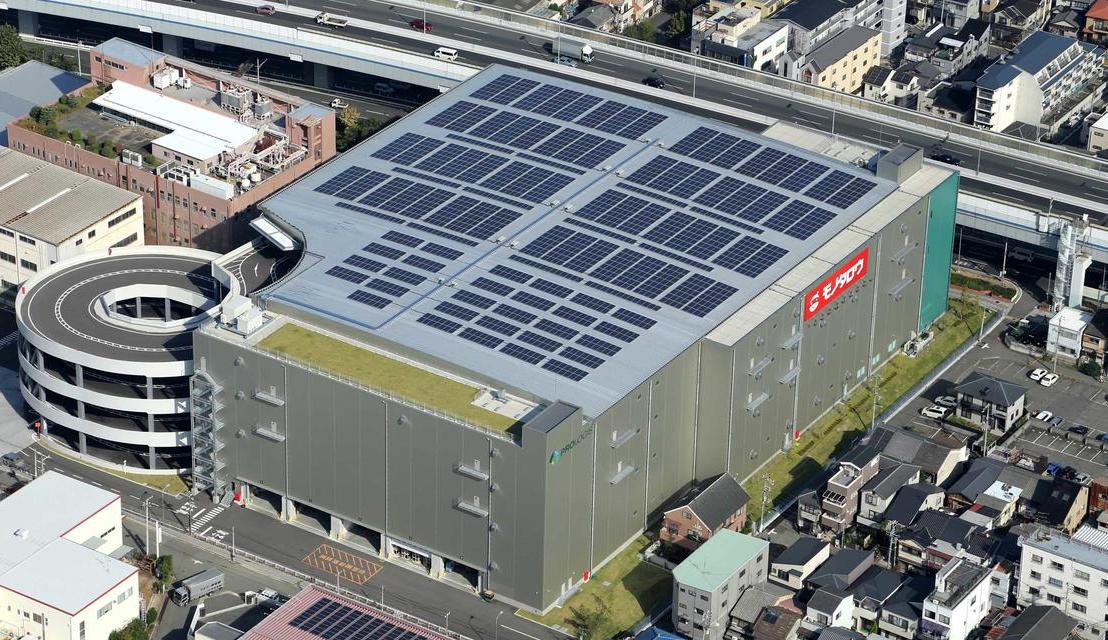
The global housing crisis is one of the largest social and infrastructure problems right now. One course of action that holds great promise is to convert a space in an urban area that’s currently not in use or underutilized (such as a decaying factory) into something new using Infill Development. Infill development not only holds the potential to increase the amount of housing and infrastructure available in a city but also combat sprawl by allowing for cities to not have to spread out to accommodate for new development.


Image credit http://www.prologis.com