Month: February 2020

Salinity Loss

Salinity Loss

Salinity Loss

02/11/20

“Why is a body of water losing salinity levels a bad thing?”


The amount of saltwater in this world is massive. Standing at around 1.386 billion cubic kilometers, saltwater makes up 97.5% of all water on this planet. However, as freshwater rain and river overflowing spills into saltwater and creates Salinity Loss, the environmental and economic damage can be long-lasting.


Why Public Health and Climate Resilience Are Intertwined

Why Public Health and Climate Resilience Are Intertwined

Why Public Health and Climate Resilience Are Intertwined

02/09/20

“Why is it that public health and climate resilience go hand in hand?”


Although often thought of as completely separate disciplines, public health and climate resilience are closely intertwined. Climate resilience is about withstanding and bouncing forward from the effects of climate change, some of which such as wildfire smoke and extreme heat have implications for public health. This is Why Public Health and Climate Resilience Are Intertwined.

Building Reuse

Building Reuse

Building Reuse

02/08/20

“How can we reuse already-built buildings for alternative purposes?”


Buildings are the core of every facet of infrastructure, whether it be the housing that we live in or the metro rails that we ride on. And although new construction is thought of as the ultimate path to growth, the embodied carbon can add a heavy increase to GHG emissions. Building Reuse can ensure that already-built edifices can be repurposed for new uses, ensuring greater sustainability.


Image credit images.adsttc.com

Why Timing for Prescribed Burns in Crucial for Wildfire Resilience

Why Timing for Prescribed Burns in Crucial for Wildfire Resilience

Why Timing for Prescribed Burns in Crucial for Wildfire Resilience

02/06/20

“Why is it important for resilience that we perform prescribed burns at the right time?”


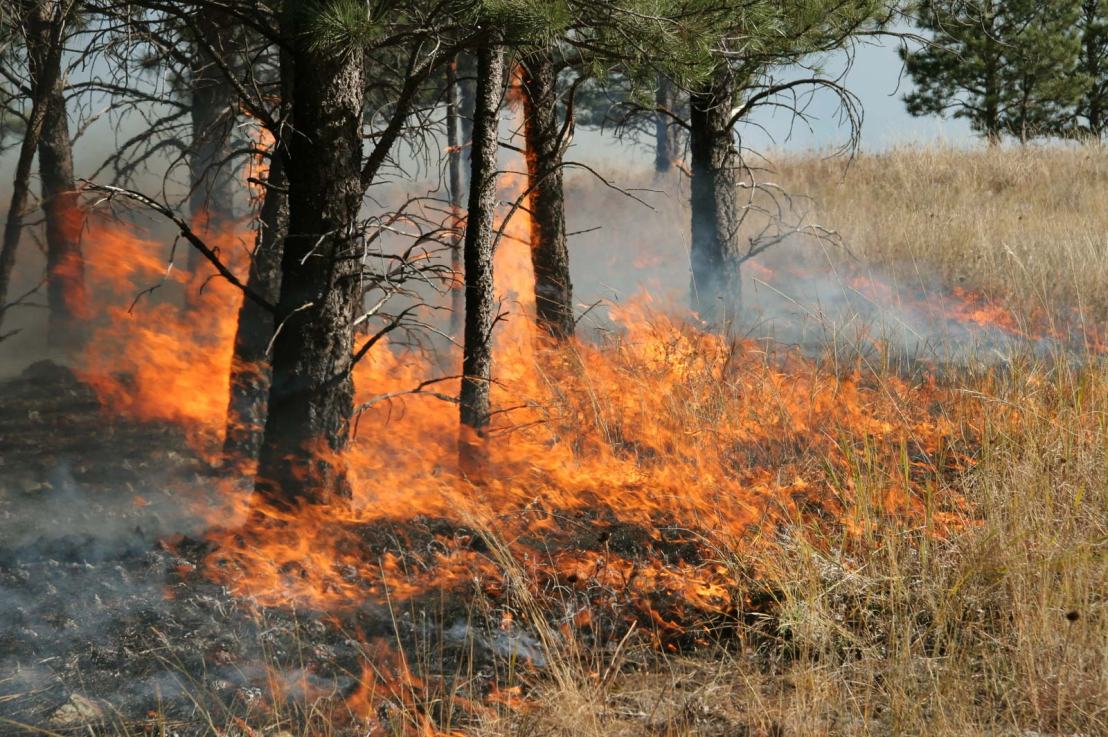
Prescribed burning is one of the most common methods for making a landscape more resilient to wildfires. However, some native plant life might be adapted to burn at certain times of the year. If they are lit on fire outside of this time period, then ecological mayhem may ensue and end up harming the environment. This is Why Timing for Prescribed Burns in Crucial for Wildfire Resilience.


Image credit cdn.britannica.com

The Case Study Research Method

The Case Study Research Method

The Case Study Research Method

02/04/20

“How can we formally understand more about a particular situation or scenario for research?”


The fundamental spirit of research is to better understand the world around us. Sometimes, the most effective way to understand a phenomenon by looking at a particular instance of it. This Case Study Research Method works by taking a particular scenario of a topic that the researcher wants to learn about, gathering as much data as possible about it,  and then seeing how it connects to the bigger picture.

Why Moving Into Newer Housing Can Increase Resilience to Climate Change

Why Moving Into Newer Housing Can Increase Resilience to Climate Change

Why Moving Into Newer Housing Can Increase Resilience to Climate Change

02/03/20

“Why is it that moving into newer housing can increase your resilience to climate change?”


Whether you like it or not, Climate Change is coming and you will need to prepare. One of the biggest vulnerabilities that people have is the quality of their housing. Older housing is usually built according to outdated standards and with aged materials, increasing the risk of breakdown when disaster strikes. By moving into newer housing, it is more likely that you will be living in a place that has been designed with the new climate in mind in addition to being composed of more modern materials. This is Why Moving Into Newer Housing Can Increase Resilience to Climate Change.