Polders

Polders

Polders

01/19/24

“What are polders and how are they related to land reclamation?”

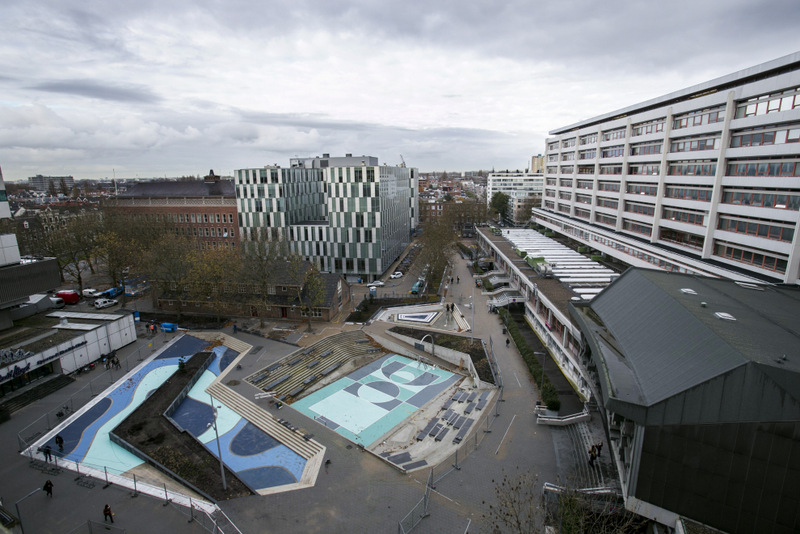
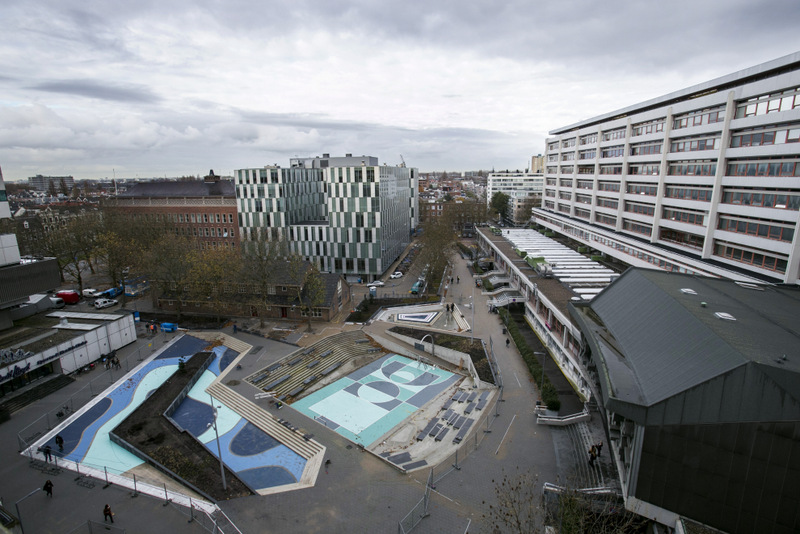
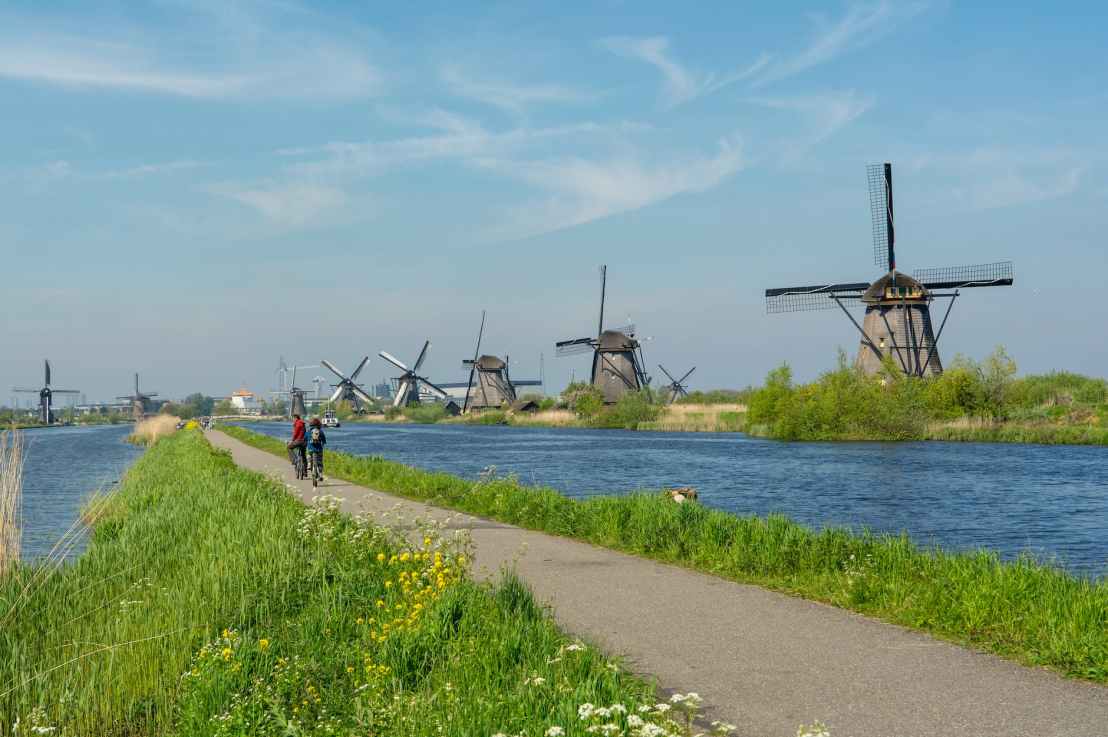
Draining areas below sea-level is a common method of land reclamation. This usually involves building a water pump and drainage system to transfer water somewhere else and a wall called a dyke to shield the new site from inundation. The areas opened up, called a polder can be used for multiple uses, whether it be farmland, urban space, or industry. Polders are very common in the Netherlands.

Land Reclamation

Land Reclamation

Land Reclamation

01/18/24

“How can we create new land from water bodies?”

Cities near bodies of water often have issues of limited expansion possibilities. But what if we were to create new land from said bodies of water? This process, known as Land Reclamation, is something used around the world nowadays.

Blue Green Infrastructure

Blue Green Infrastructure

Blue Green Infrastructure

01/17/24

“How can we use environmental systems to work on flood mitigation?”

Stormwater management is usually accomplished by using grey infrastructure, or technological systems to channel water into places safer for humans. However, sometimes this can lead to more issues, such as water overflows when a levee is breached. But what if we were to use more nature-based solutions such as bioswales or green roofs to accomplish stormwater management? These interventions are categorized as Blue Green Infrastructure and represent a more calming way to approach flood controls.

How Water Squares are Designed

How Water Squares are Designed

How Water Squares are Designed

01/16/24

“How are water squares designed?”

Water squares are marvelous pieces of urbanism. Their dual-use purpose allows them to function as flood mitigation and public space. But how are they designed? Well, first a low-lying area is set up to act as a bed. During dry seasons this usually has recreational functions such as a swimming pool or a basketball court. This bed is surrounded by slanted walls that keep water in during heavy rain storms. Connected to these walls will be an inlet to a drainage system to clear the water when the time is ready. This is How Water Squares are Designed.

Image credit stormwater.wef.org

Why Developing Photography Skills Helps Make You a Better Urban Planner

Why Developing Photography Skills Helps Make You a Better Urban Planner

Why Developing Photography Skills Helps Make You a Better Urban Planner

01/15/24

“Why does developing better photography skills help make you a better urban planner?”

Visualization and site documentation skills are key to becoming a successful urban planner. So is being able to see cities in multiple ways and present your work to the public. Photography builds expertise in all of these avenues. This is Why Developing Photography Skills Helps Make You a Better Urban Planner.

Water Squares

Water Squares

Water Squares

01/14/24

“How can we have squares that can both hold floodwater and act as a community space?”

When we think of flood control systems, we often imagine interventions that do not allow for anything beyond their own uses. But this can take away valuable space for events that may only happen for 2% of the time. But what if we were to create interventions that allowed for public use during dryer times? Well, the Dutch have come up with systems known as Water Squares. A water square, or Waterplein in Dutch, is a pool that hold water during flood times and act as public spaces during others. These designs hold the potential to radically transform how people live in the new climate paradigm.

Image credit stormwater.wef.org

Why Increasing the Number of Wars in the World Leads to Increased Carbon Emissions

Why Increasing the Number of Wars in the World Leads to Increased Carbon Emissions

Why Increasing the Number of Wars in the World Leads to Increased Carbon Emissions

01/13/24

“Why does increasing the number of wars in the world lead to increased climate emissions?”

War operates on moving machinery. This machinery emits CO2 during operation. This can be from airplanes flying, weapon manufacturing, or shipping arms across ocean vessels. Increasing the number of wars will increase these operations. This is Why Increasing the Number of Wars in the World Leads to Increased Carbon Emissions.

Why Disinformation Can Tilt Elections

Why Disinformation Can Tilt Elections

Why Disinformation Can Tilt Elections

01/12/24

“Why can disinformation tilt elections?”

Election marketing is one of the primary ways candidates and parties sway voters. But when disinformation takes hold, people may be manipulated to support a political force they otherwise wouldn’t have. This is Why Disinformation Can Tilt Elections.

Why Housing in Informal Settlements is Often More Prone to Collapse During Flooding

Why Housing in Informal Settlements is Often More Prone to Collapse During Flooding

Why Housing in Informal Settlements is Often More Prone to Collapse During Flooding

01/11/24

“Why is housing in informal settlements more prone to collapse during flooding?”

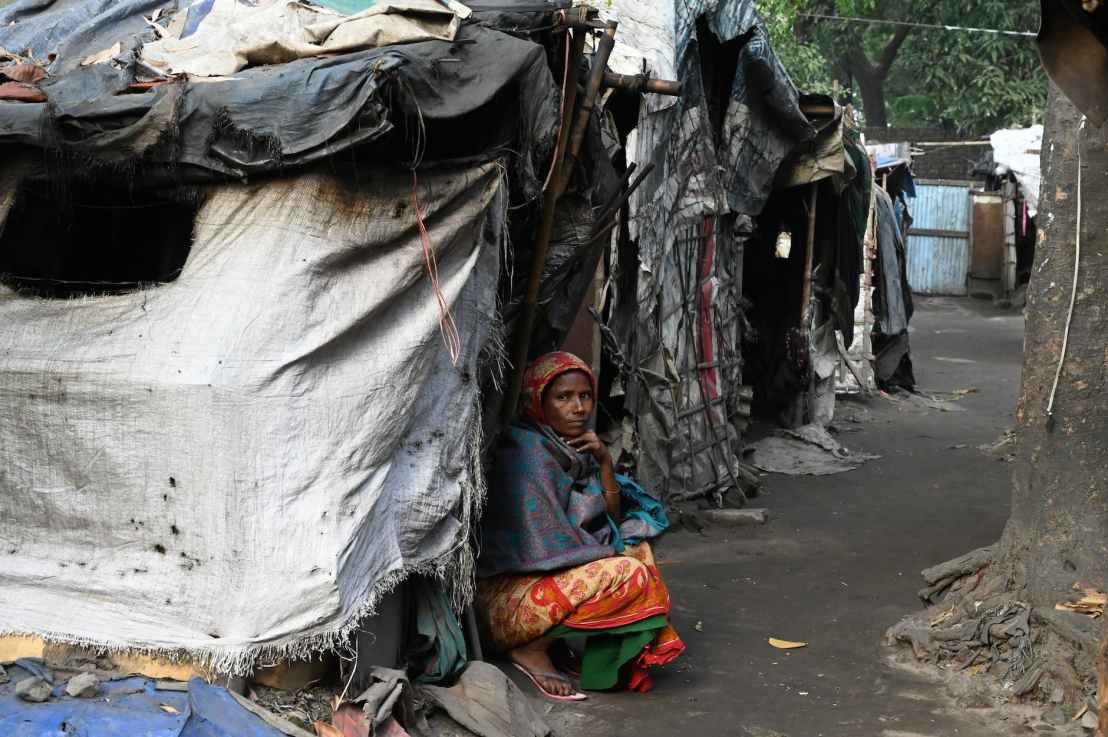
Housing in informal settlements is built without respect to codes. Some of these codes include provisions for protection against flood events. This means that when floods occur the homes often collapse from the might of the water. This is Why Housing in Informal Settlements is Often More Prone to Collapse During Flooding.