Ocean Currents

Ocean Currents

Ocean Currents

05/19/25

“How do ocean currents move around the world?”

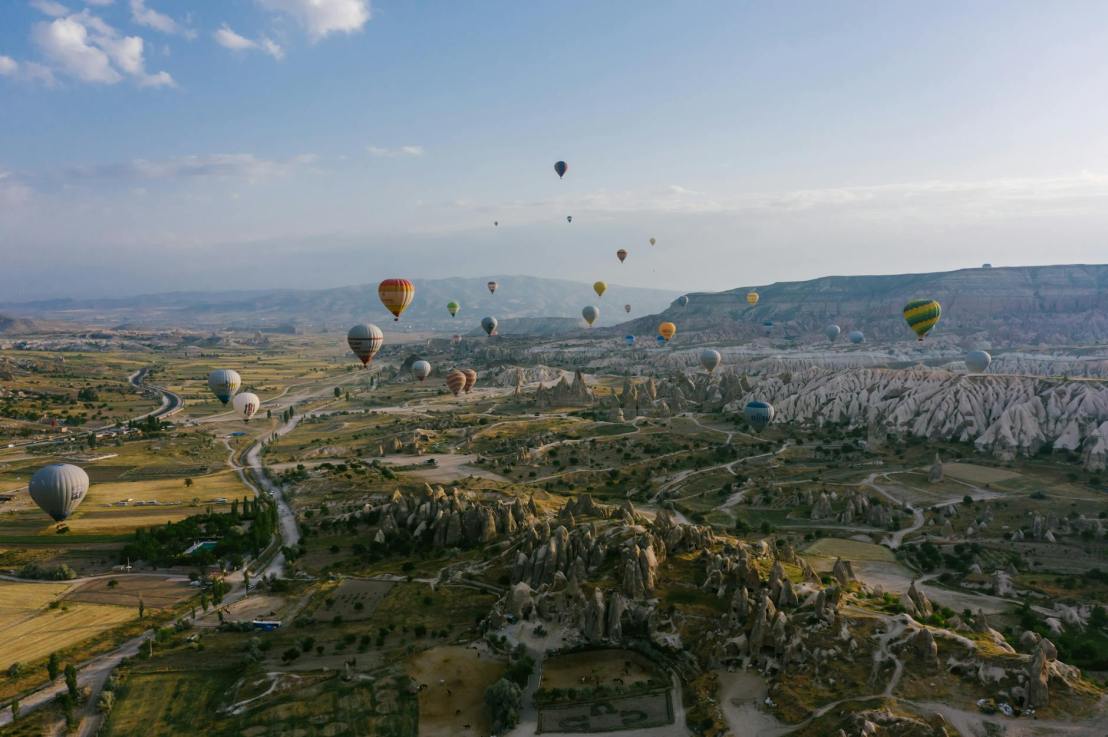
It’s easy to think that ocean waters are stationary. But in reality, ocean waters move all around the world. When there’s a significant difference in water, wind, temperature, salinity, and other factors between ocean regions, a force will push the ocean water from one place to another through an Ocean Current. Ocean currents are the backbone of global water circulation.
Geological Strata

Geological Strata

Geological Strata

05/18/25

“Why are different geological layers different from one another?”

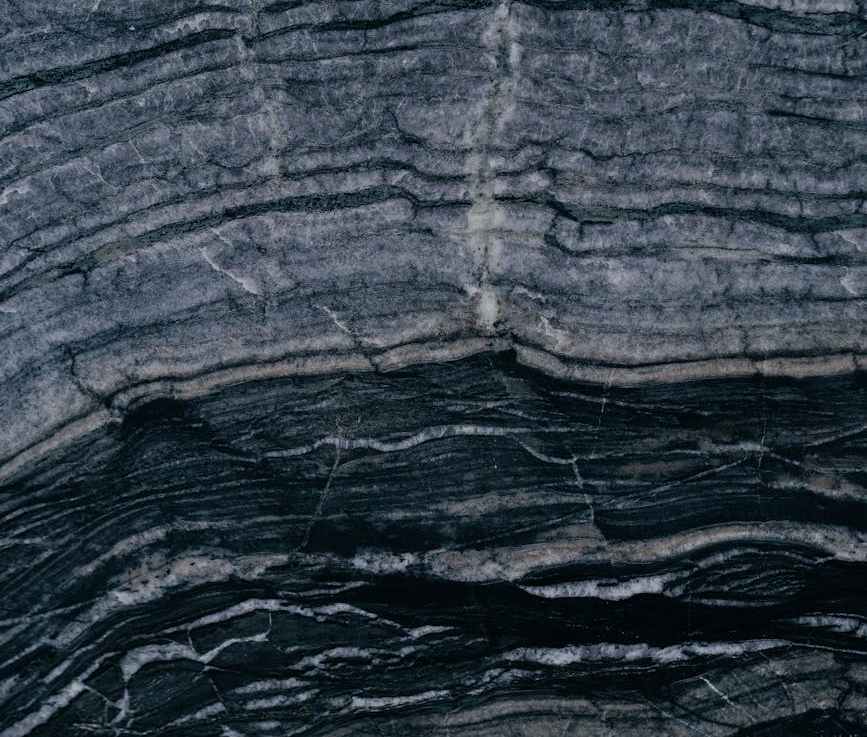
If you dig into the Earth, you’ll notice that the crust is divided into different rock and sediment layers. This can seem very perplexing. How did this come to be? Well, each layer represents a different point in Earth’s history. Over time, what was on the surface became rock, and whatever properties they had influenced what rocks appear in the Geological Strata layers. Geological strata, or stratum for singular, imprint the Earth’s history and are crucial for understanding local lithological conditions. 

Harbors

Harbors

Harbors

05/17/25

“What makes a location safe for docking ships?”

Maritime operators need to store ships in a safe place when they’re docked. These locations, called Harbors, require enclosures to protect ships from strong currents and deep waters so ships can enter and exit without hitting land. Harbors are a vital part of oceanic infrastructure and helps the world operate the way it does.

Clastic Rocks

Clastic Rocks

Clastic Rocks

05/15/25

“What are rocks composed of fragments of minerals and other rocks?”

Clasts are fragments of rocks broken off by physical weathering. Clastic Rocks are rocks composed of clasts. Examples of clastic rocks include sandstone and shale.

Microplates (Geology)

Microplates (Geology)

Microplates (Geology)

05/14/25

“How can there be small tectonic plates in between large ones?”

It’s typical for Geology classes to teach that the world is made up of several large tectonic plates. However, between these larger tectonic plates are smaller Microplates. These microplates play a critical role in mountain formation and geological dynamics. Famous microplates include the Anatoian microplate and the Maoke plate.

Salt Pans

Salt Pans

Salt Pans

05/12/25

“How do massive deserts of salt form?”

Areas turn into deserts when evaporation exceeds precipitation. If the desertifying area has insufficient aquifer storage, then the water will evaporate and leave behind all dissolved minerals on the surface. This can lead to large salt formations in deserts in the form of Salt Pans. Salt pans are beautiful facets of nature that make us wonder about the world.

Saltwater Intrusion in Groundwater

Saltwater Intrusion in Groundwater

Saltwater Intrusion in Groundwater

05/11/25

“How can saltwater corrode freshwater aquifers?”

Aquifers usually hold freshwater. However, coastal aquifers may have saltwater. Usually, saltwater in aquifers is kept at bay because of the natural coastal movement of freshwater. But if groundwater pumping is unsustainable, then the freshwater flow can decrease and suction of saltwater increases, leading to Saltwater intrusion into the aquifer. Saltwater intrusion can destroy drinking water and irrigation sources for people.

Oceanic Basins

Oceanic Basins

Oceanic Basins

05/08/25

“What geological features hold the oceans?”

Oceans cover three-quarters of the Earth’s surface. What holds them? Well, it turns out that each ocean rests on top of a bowl-shaped geological formation called an Oceanic Basin. Oceanic basins are a fundamental part of the Earth’s hydrogeological system. 

Boundary Currents

Boundary Currents

Boundary Currents

05/07/25

“How do we classify ocean currents that interact with coastlines?”

Ocean currents move everywhere. Ocean currents that are affected by coastlines are labeled as Boundary Currents.