CT Value (Water Disinfection)

CT Value (Water Disinfection)

CT Value (Water Disinfection)

09/26/25

“How can we quantify the effectiveness of chemical disinfection treatment?”

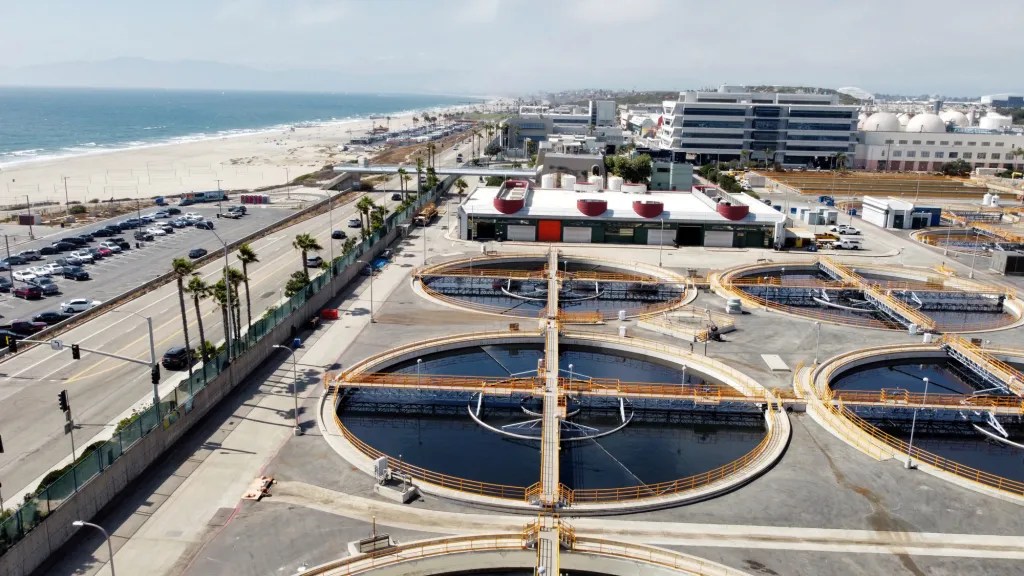
Chemical disinfection processes have a wide range of effectiveness. But what variables govern how much impact a certain process has? Well, it turns out by multiplying the concentration (C) in mg/L of a chemical by the amount of contact time (T) with the water, we can obtain the CT Value. While increasing concentration is generally helpful for CT values, it can also increase chemical byproducts, making increasing contact time more effective. Water treatment operators have lab data giving the CT values needed to destroy specific microorganisms.   

Filter Backwashing

Filter Backwashing

Filter Backwashing

09/25/25

“Why can we clean filters by pumping water backwards?”

Filters collect trapped material over time. Sometimes this piles up so much that it hampers further treatment. To solve this, infrastructure operators can pump water in the other direction to remove water from filtration. This Filter Backwashing is vital for treatment maintenance.

Image credit: https://www.aquabluepools.net/

Rapid Mixing for Water Treatment

Rapid Mixing for Water Treatment

Rapid Mixing for Water Treatment

09/24/25

“Why is it important to rapidly mix water at the beginning of the coagulation process?”

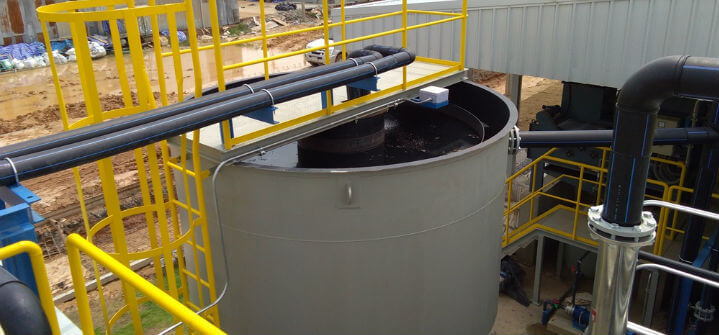
Coagulation mixes coagulants with suspended particles to form larger, charge-neutralized molecules. However, the mixing needs to occur quickly (usually less than a minute) to ensure the coagulants are evenly distributed and the suspended solids are destabilized to effectively clump together during flocculation. This Rapid Mixing for Water Treatment is the first part of the larger coagulation-flocculation process, and is an example of how the brilliant systems that underpin everyday life for many.

Image credit: https://haoshpumps.com/

Alkalinity

Alkalinity

Alkalinity

09/23/25

“What’s the equivalent of inertia for resisting change in acidity in water?”

Water of different makeups reacts to a change in acidity in different ways. Just like how objects have inertia for resisting change in motion, water has Alkalinity for changing acidity levels. The higher a water’s alkalinity, the easier it can neutralize acid. The molecules carbonate (CO3), biocarbonate (HCO3), and hydroxide (OH) contribute to a substance’s alkalinity. Alkalinity is measured in milliequivalents per liter.

Temporary Water Hardness

Temporary Water Hardness

Temporary Water Hardness

09/22/25

“What’s a special type of water hardness that can be removed by boiling and adding lime?”

Water hardness comes from having too much dissolved magnesium and calcium in water. But some types of water hardness are easier to soften than others. If the magnesium and calcium are attached to bicarbonates, then they can be removed through boiling or adding lime. This type of water hardness is called Temporary Water Hardness. 

Soil Stabilization

Soil Stabilization

Soil Stabilization

09/21/25

“How can we protect soil against erosion and stormwater runoff?”

Soil is vulnerable to erosion and runoff, leading to water body pollution and disturbed geology. But if we can protect the soil’s foundation through stabilization measures. These Soil Stabilization techniques are an important part of stormwater and geotechnical management, making them a requirement for stormwater pollution prevention plans

Stormwater Sediment Traps

Stormwater Sediment Traps

Stormwater Sediment Traps

09/20/25

“How can we use simple engineering techniques to filter sediment out of stormwater?”

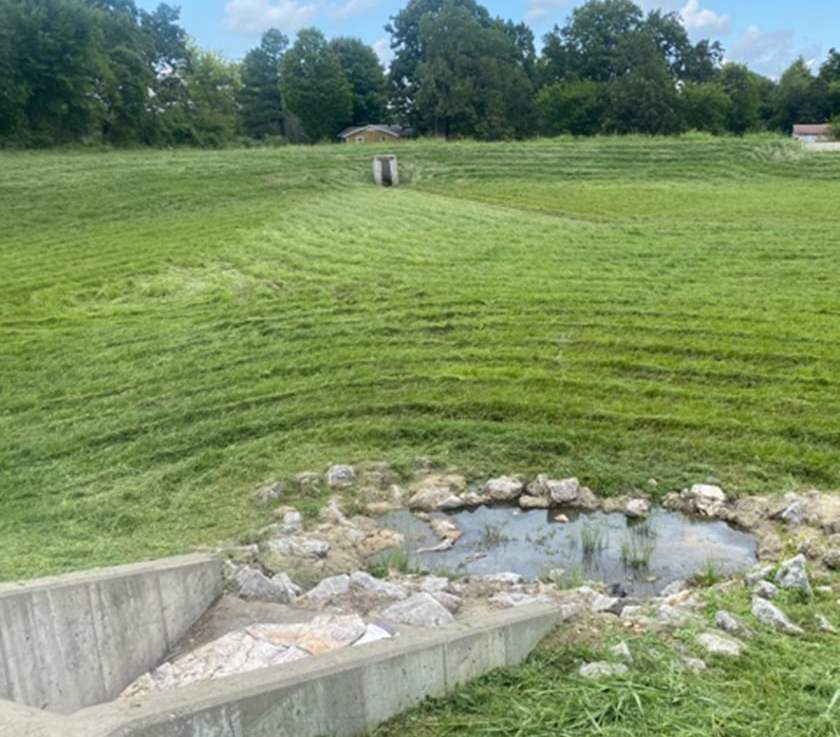
Stormwater can pick up sediment from construction sites, roads, and other surfaces it travels across. This sediment can pollute waterbodies, clog pipes, and harm natural water systems. So how can we use our engineering mindsets to stop the overflow of sediment? Well, we know that when runoff with sediment is slowed down, the sediment will eventually settle to the bottom. And we also know that once the sediment and water are separated, we can use an outlet to drain the filtered water. So, what if we were to design a pit that traps water, settles sediment, and removes the excess water? Well, this is the idea behind Stormwater Sediment Traps. Stormwater sediment traps are an effective way to remove sediment from runoff, and may be used to satisfy stormwater pollution prevention plans. Sediment traps also require maintenance to remove excess sediment buildup.

Image credit: https://www.mkbcompany.com/

Foothills

Foothills

Foothills

09/19/25

“What marks the start of mountain ranges?”

Mountain ranges extend for long distances. However, what defines their beginning? Well, the early gradual elevation of land, known as Foothills, is used to mark the start of mountain ranges from flatter lands. Foothills can be formed by erosion from mountains, as is the case with the Atlantic Seaboard Fall Line

Engineer of Record

Engineer of Record

Engineer of Record

09/18/25

“Why do project designs need a licensed engineer to sign off?”

Preparing construction plans is always a risky endeavor. You need to make sure all weaknesses are addressed, all steps work functionally, and that everything is up to code. One way to minimize project risk is to hire a qualified engineer to prepare and carry out designs. This Engineer of Record signs off on design/construction documents to signify their responsibility for success. In the U.S, becoming an engineer of record typically involves obtaining a professional engineering license.