The Jar Test

The Jar Test

The Jar Test

04/19/26

“How can we figure out the optimal conditions for coagulation and flocculation?”

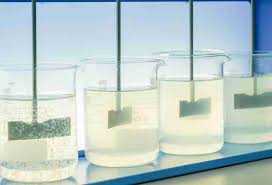
Knowing the optimal conditions for coagulation and flocculation is critical for designing wastewater treatment processes. Specifically, we want to find out the best coagulant type, dosage, pH, and proper mixing intensity/time. So how can we use our scientific mindset to accomplish this? Well, what if we take 4 – 6 jars, fill them with raw water from the same source, and then add different coagulant doses to each one. Afterwards, rapidly mix for a short time, then gently mix for a short time, and then let it settle out. Whichever has the best settling results will be the conditions you set. This Jar Test is a widely used methodology to choose operating conditions for coagulation-flocculation.

Image credit: https://encrypted-tbn0.gstatic.com/

Specific Yield

Specific Yield

Specific Yield

04/18/26

“How can we quantify how much water we can extract from a saturated medium?”

Groundwater exists in the pores of saturated soils and rocks. We cannot extract all of the groundwater from the pores, some will stay stuck. We can quantify the groundwater extraction potential by taking a sample of the medium and dividing the volume of water that drains freely from gravity by the total volume of the soil or rock, resulting in the Specific Yield. The specific yield plus the volume of the remnant water, called the Specific Retention, equals the porosity of the medium.

Why Hydrogen is Oxidized First in Combustion Reactions

Why Hydrogen is Oxidized First in Combustion Reactions

Why Hydrogen is Oxidized First in Combustion Reactions

04/17/26

“Why is hydrogen oxidized first in combustion reactions?”

Combustion reactions with an insufficient air-fuel ratio result in extraneous carbon monoxide or soot. Why does this happen? Well, it’s because hydrogen has a lower activation energy than carbon, which makes it react with oxygen before carbon can. This is Why Hydrogen is Oxidized First in Combustion Reactions.

Fugitive Particulate Matter

Fugitive Particulate Matter

Fugitive Particulate Matter

04/16/26

“What’s special about particulate matter that directly enters the atmosphere?”

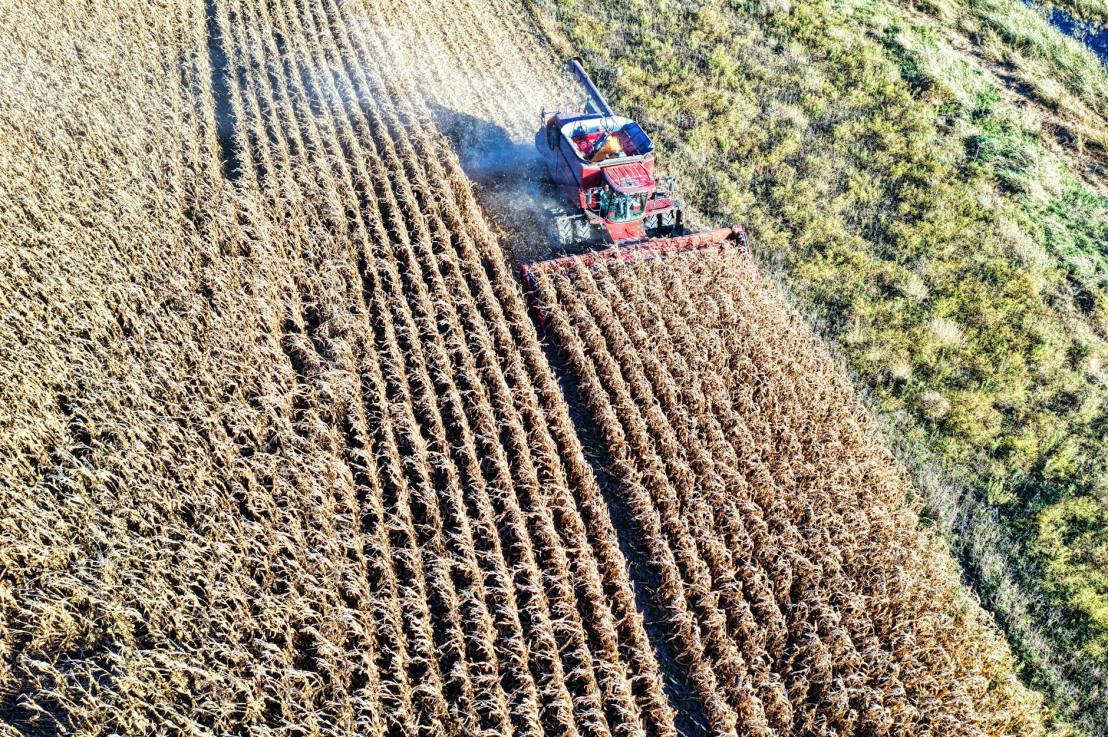
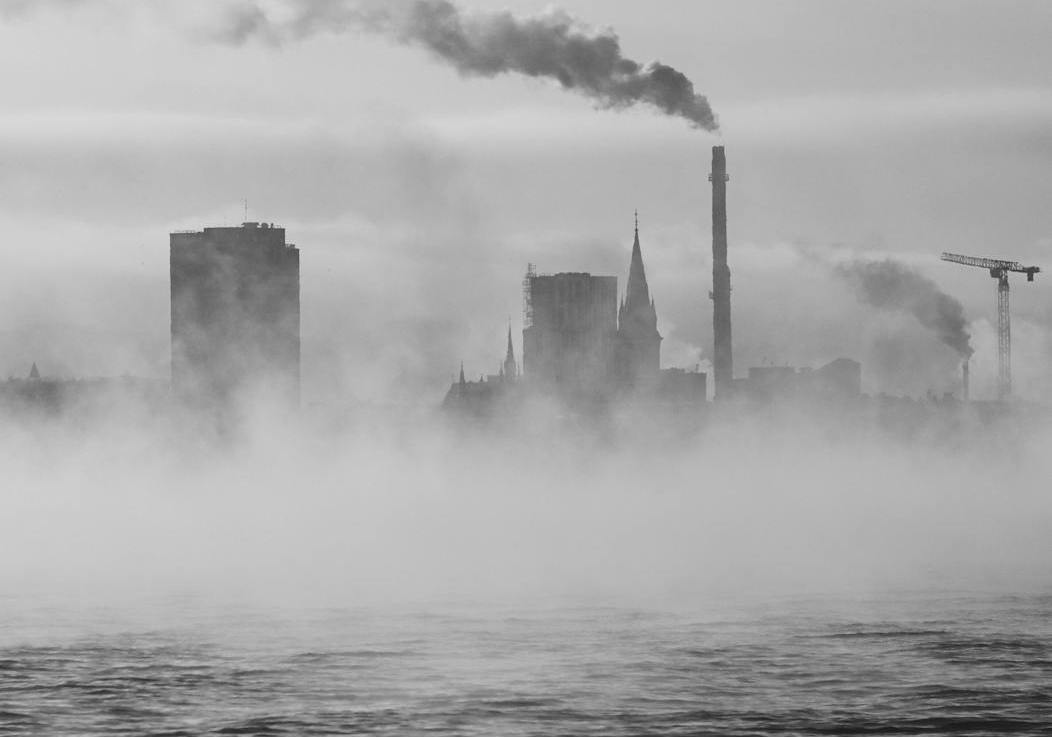
Picture particulate matter emissions. You’re likely visualizing emissions from a stack or duct. However, particulate matter can also be released from industrial operations, agricultural practices, and construction sites as fugitive particulate matter. Infrastructure operators have to design fugitive particulate matter control plans.

Activation Energy

Activation Energy

Activation Energy

04/15/26

“What’s the minimum amount of energy for chemical reactions to occur?”

Chemical reactions cannot happen on their own. The molecules need to have a certain amount of collisions, or energy, to react. The minimum amount of energy for chemical reactions to occur is known as the Activation Energy. Activation energy is often provided in the form of heat.  

Biosparging

Biosparging

Biosparging

04/14/26

“How can we treat groundwater without removing it from an aquifer using compressed air?”

Microbes use air to consume organic matter. By injecting air into contaminated water, we can spur microbial growth that consumes pollutants. We can even do this to groundwater in aquifers. Biosparging is an in-situ groundwater remediation process that uses compressed air to achieve biodegradation.

Galvanic Series

Galvanic Series

Galvanic Series

04/13/26

“Is there a list that sorts how likely a metal is to corrode?”

Two metals with significant enough anodic index differences will corrode. But is there a list that sorts metals based on their anodic index differences? Well, this comes in the form of the Galvanic Series. The lower on the list, the more protected against corrosion a specific metal is, and the higher the more vulnerable to corrosion.

Thermoclines

Thermoclines

Thermoclines

04/12/2026

“How can we classify layers in fluids where temperature changes more drastically than their immediate neighbors?”

Large fluids like the atmosphere or the ocean have multiple distinct temperature layers. Some of these layers will more drastically change temperature by different height than the layers immediately above and below them.. These regions, called Thermoclines, strongly influence atmospheric and ocean dynamics.

When To Use Enthalpy Values for Heat Calculations

When To Use Enthalpy Values for Heat Calculations

When To Use Enthalpy Values for Heat Calculations

04/11/26

“When should we use enthalpy values for heat calculations?”

People like you and me can calculate the heat transfer between two substances in a variety of ways. When we’re faced with constant-pressure processes, phase changes, chemical reactions, or in flow volumes,  we can use the change in enthalpy values for calculating heat transfer. This is When To Use Enthalpy Values for Heat Calculations.