Category: Urban Systems

R-Tank Stormwater Modules

R-Tank Stormwater Modules

R-Tank Stormwater Modules

07/09/26

“How can we create large-scale underground stormwater storage with modular units?”

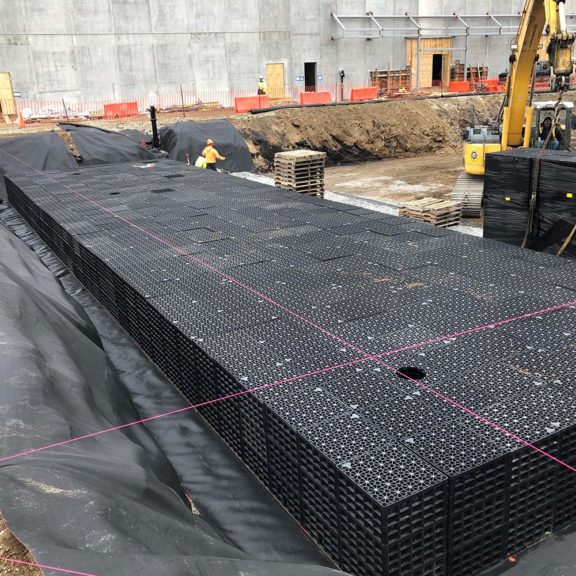
Stormwater storage can be a monumental problem when you don’t have enough space in your project. But what if we were to take modular storage units, put them underground, and then connect them to one another and to pipes feeding from above ground? This way, we can create a large storage system that’s expandable, dense, and flexible without taking up overland space. Well, this is the idea behind R-Tank Stormwater Modules. R-tanks are typically installed under impervious surfaces so they won’t take up infiltration potential. R-tanks can channel their contents to detention, retention, or water reuse systems.

Image credit: https://www.fergusonwaterworks.com/

A Meta-Affiliated Data Center Discharged a Deadly Bacterial Strain Into a Wyoming Town’s Wastewater

A Meta-Affiliated Data Center Discharged a Deadly Bacterial Strain Into a Wyoming Town’s Wastewater

A Meta-Affiliated Data Center Discharged a Deadly Bacterial Strain Into a Wyoming Town’s Wastewater

07/07/26

“How did a Meta-affiliated data center discharge a deadly bacterial strain into a Wyoming town’s wastewater?”

Data centers are very controversial for their heavy environmental strain. Recently, a Meta-affiliated data center was found to have discharged a deadly strain of bacteria into the wastewater pipes of Cheyenne, the capital of the U.S. State of Wyoming. This bacterial strain, known as Cupriavidus gilardii, is a multidrug-resistant pathogen that may have a mortality rate as high as 31.3 percent. As a consequence of this finding, local officials are withholding waste-dumping privileges from any data center connected to the municipal water services. This is how A Meta-Affiliated Data Center Discharged a Deadly Bacterial Strain Into a Wyoming Town’s Wastewater.

Image credit: Laramie Boomerang + Meta

Eco-Industrial Parks

Eco-Industrial Parks

Eco-Industrial Parks

07/05/26

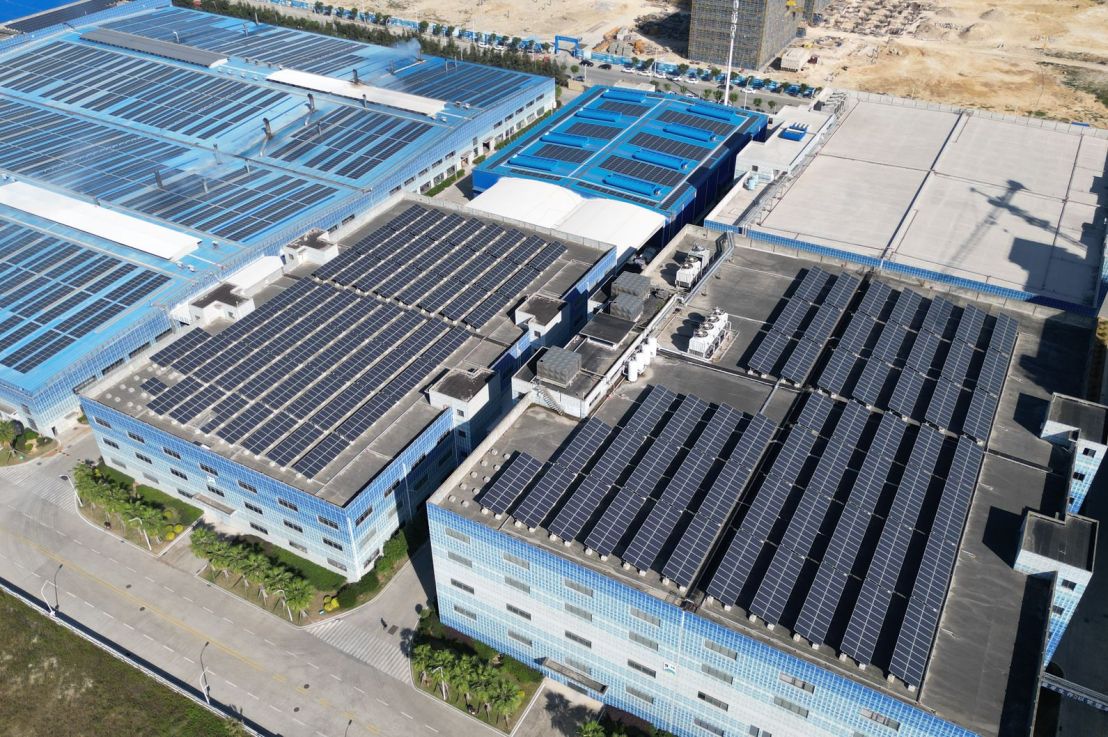
“How can we make industrial parks more sustainable?”

Industrial parks are the foundation of much industrial activity. However, they can also create voluminous amounts of pollution. That’s where Eco-Industrial Parks come in. Eco-industrial parks establish circular economy practices through resource sharing and the reuse of manufacturing byproducts. Eco-industrial parks also strive to harness sustainable energy and reduce inefficiencies. Governments can adopt eco-industrial park strategies to build wealth and industrial capacity while avoiding excess environmental damage.

Industrial Parks

Industrial Parks

Industrial Parks

07/04/26

“How do governments create areas for industrial development?”

Industrial development can be a planning nightmare. It needs to be close enough to major transportation and infrastructure access, but far away enough from residential neighborhoods to shield people from pollution. One way to accomplish this is to designate areas as Industrial Parks. Industrial parks cluster industrial buildings in a specific area for optimal output. Industrial parks can focus on specific industries, allowing different businesses to work together for synergy. Industrial parks typically have industry-specific infrastructure such as high-power electricity lines, dedicated water towers, or commercial rail stops.

Drainage Rings 

Drainage Rings 

Drainage Rings 

07/02/26

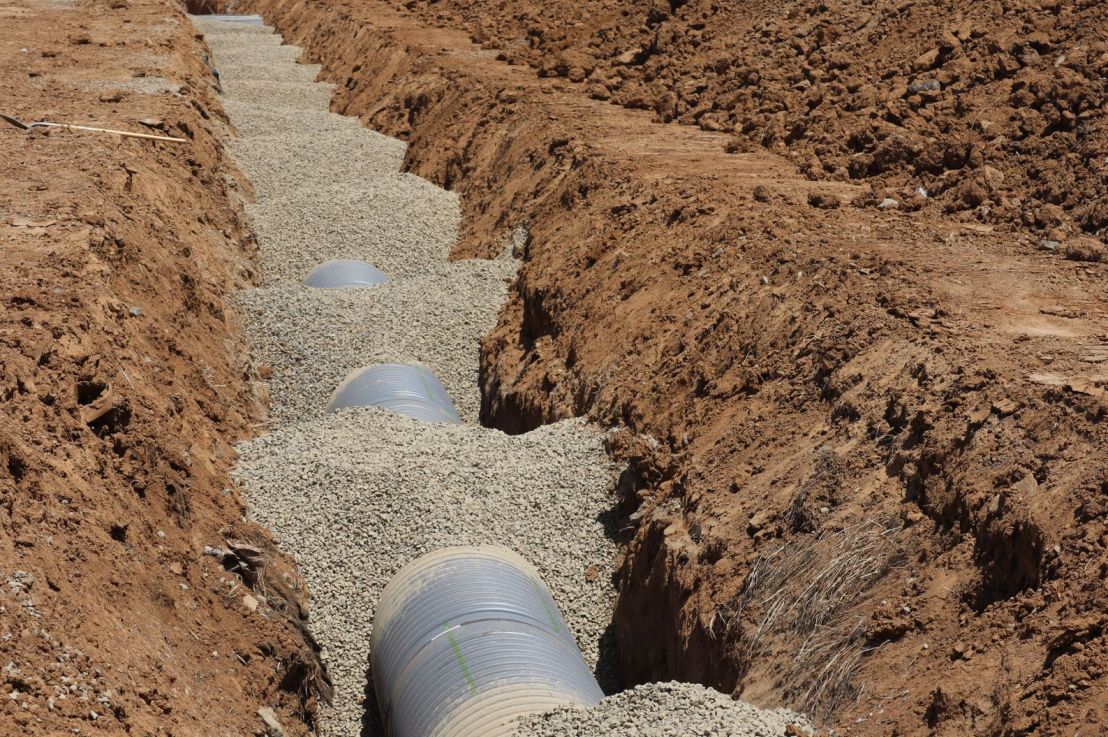
“How can we use rings to facilitate floodwater infiltration?”

Infiltration can be a very useful stormwater control method. However, too much water impacting the surface at once can overwhelm soil and hinder infiltration. We can address this by placing solid Drainage Rings in the Earth to store water while seeping it out at controlled rates to the surrounding dirt. Drainage rings are commonly surrounded by stone drainage media for additional support. Drainage rings are a central component of drywell systems.

Hypertrophic Lakes

Hypertrophic Lakes

Hypertrophic Lakes

06/30/26

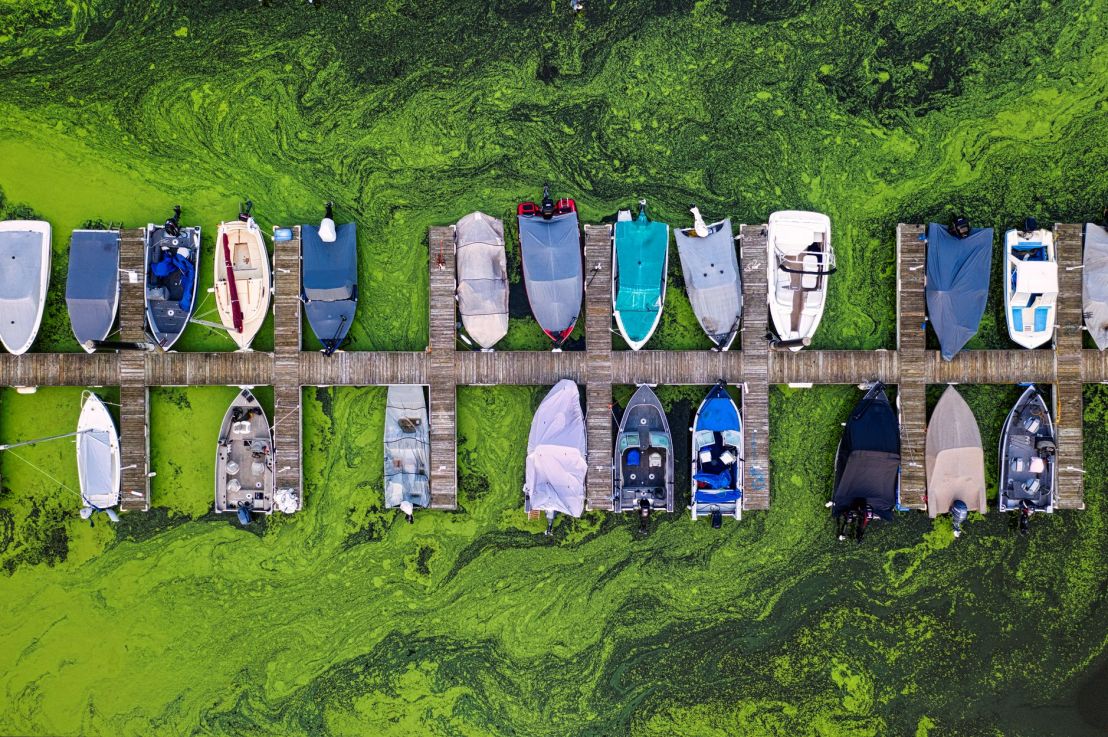
“What is the highest level of algal contamination for lakes?”

A lake’s trophic state index determines its algal power. Lakes at the highest end of the index (above 70) are classified as Hypertrophic Lakes. Hypertrophic lakes have very poor water quality and low water visibility. Algal overgrowth can be so intense that animals die off en masse from lack of dissolved oxygen.

Drainage Media

Drainage Media

Drainage Media

06/29/26

“How can we use permeable material to improve drainage systems?”

Drainage systems transport water from one place to another. Sometimes, drainage systems will need additional material to improve performance and prevent soil clogging. This usually consists of Drainage Media composed of permeable material, such as crushed stone or plastic media with voids, surrounding the drainage system to assist with infiltration into nearby soil.

Trophic State Index

Trophic State Index

Trophic State Index

06/28/26

“How can we quantify algal bloom intensity?”

Algal blooms in water bodies result from high nutrient load and strong environmental conditions. The associated biological productivity can be measured by the Trophic State Index. The trophic state index captures the amount of light striking the surface of a water body, the concentration of particulate matter, and the physical measuring depth to determine the algal bloom intensity.

Sewer Manholes

Sewer Manholes

Sewer Manholes

06/27/26

“How can we inspect and maintain sewer systems from above ground?”

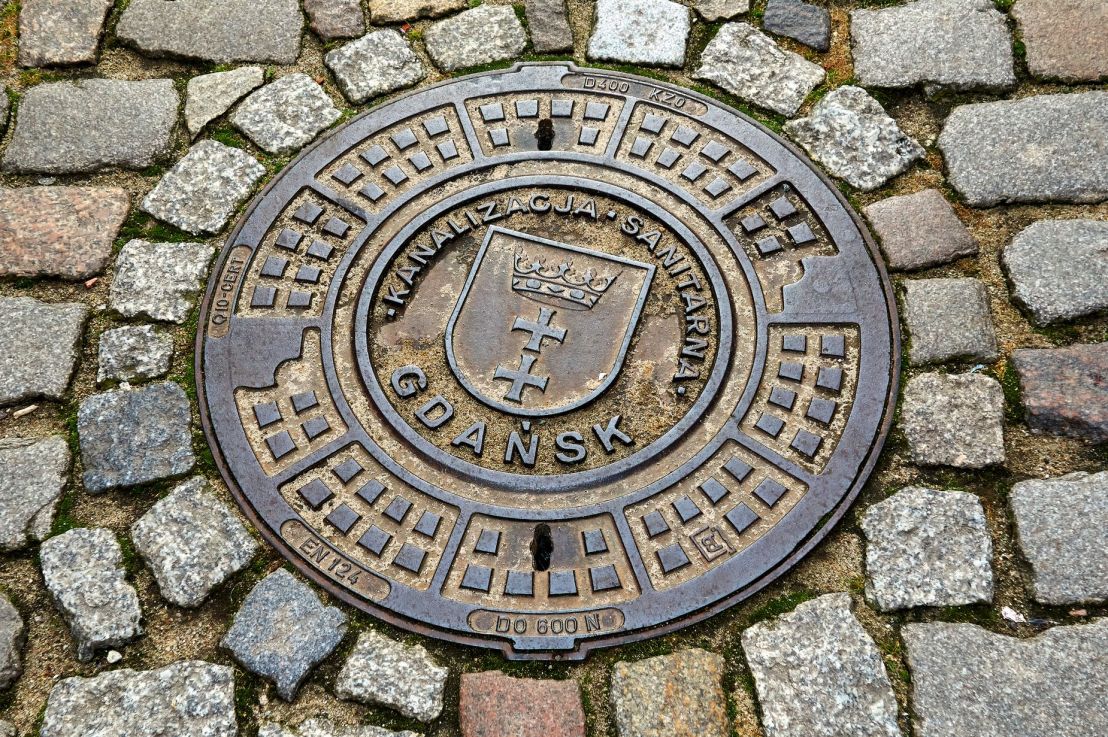
Sewer systems are the foundation of water and wastewater infrastructure for billions of people. Like any piece of infrastructure, they will break down from time to time. What makes repairing them challenging is their underground location. To access them without breaking down the entire system, people have built vertical shafts called Sewer Manholes. Sewer manholes are typically placed at the junctions of different sewer pipes since these are the most failure points in the system. In fact, manholes themselves act as the junction.