Category: Urban Systems

Why Wetlands Are Effective at Treating Wastewater

Why Wetlands Are Effective at Treating Wastewater

Why Wetlands Are Effective at Treating Wastewater

10/20/24

“Why are wetlands effective at treating wastewater?”

Wastewater can be incredibly complicated to treat. Many wastewater treatment processes use gargantuan amounts of energy. However, lagoons can accomplish this naturally. Wetlands can bind sediments, remove harmful chemicals, soak floodwater, and produce clean effluent naturally. This is Why Wetlands Are Effective at Treating Wastewater.

Sewage Lagoons

Sewage Lagoons

Sewage Lagoons

10/17/24

“How can lagoons be used for sewage treatment?”

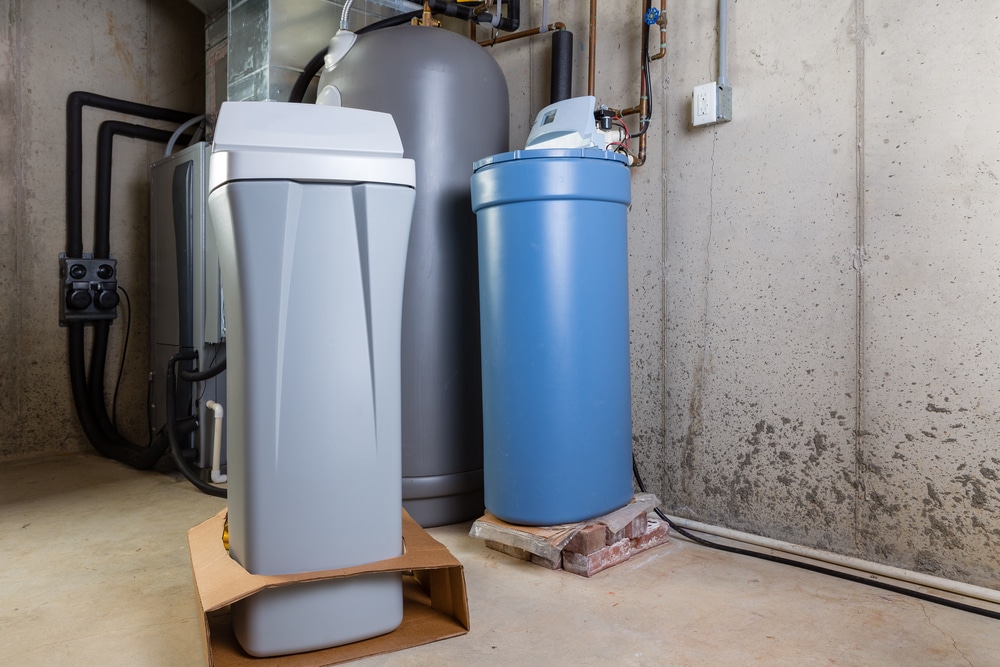
Lagoons can be found all over the world. Many contain bacteria that can feed on toxic waste. This makes it possible to use as a wastewater treatment by dumping sewage into the lagoon and letting the bacteria break down the waste. These Sewage Lagoons are typically aided by wind and sunlight.

Image credit: https://nanogasenvironmental.com/

Why Venice is Built on Stilts

Why Venice is Built on Stilts

Why Venice is Built on Stilts

10/13/24

“Why is the city of Venice built on stilts?”

Venice is a top-rated destination for countless people all over the world. There is so much to love from its beautiful canals to its deep history. However, one of the most interesting aspects is that the city itself is built on stilts. Why did the Venetians do this? Well, the islands that serve as Venice’s base are made of weak, soft mud and silt. This makes building very dangerous and arduous. Building a foundation of wooden stilts makes development stronger. This is Why Venice is Built on Stilts.

Utility Easements

Utility Easements

Utility Easements

09/24/24

“Why do no utilities need easements?”

Utilities provide critical services to residents, whether it be water for your shower or electricity for your devices. These utilities will break down from time to time and need repairs. Property owners will have to provide Utility Easements so repairs can be made by the utility owners. These are usually determined in easement agreements that outline which specific areas utilities are eligible to work on.

Air Rights

Air Rights

Air Rights

09/23/24

“How does the law define who owns the air above buildings?”

Buildings may protrude outwards. However, this might interfere with the space above other buildings, limiting the potential for the latter’s development. Whoever has the right to develop is governed by Air Rights. A building’s air right is defaulted to whoever owns a building is geometrically defined as the space completely vertical of the building. In the US this is typically 150 meters above the tallest building in urban/suburban areas and 110 meters for a rural areas.  

Easements

Easements

Easements

09/22/24

“When may someone be entitled to use another person’s property?”

People may have to have access to someone else’s property from time to time. This could range from utilities needing to use a backyard to repair property to access for a landlocked neighbor. These rights are called Easements and are an important part of land-use law.

Eminent Domain for Airspace

Eminent Domain for Airspace

Eminent Domain for Airspace

09/21/24

“How is eminent domain applied to airspace?”

Eminent domain is typically used to acquire land rights for public use. However, if it wants to use air-based applications (such as airports) it will also need to acquire airspace. Eminent Domain for Airspace entails the government paying just compensation for the airspace.

Regulatory Takings

Regulatory Takings

Regulatory Takings

09/20/24

“How can the government restrict a property owner’s use of their own land until it’s practically a taking?”

Governments can introduce regulations to control how people use their land. Sometimes so many regulations are introduced that it practically qualifies as government seizure. In the US, these are known as Regulatory Takings. Regulatory takings in the US are entitled to just compensation and are usually determined by a three-part test.

  1. The economic impact the regulations have on the person making the claim.
  2. How far the regulation has interfered with investment expectations.
  3. How the government action was carried out.

An example of a government taking would be government agencies forcing a private canal owner to conform to their expectations.

Why Insurance Regulations Protect Consumer Interests

Why Insurance Regulations Protect Consumer Interests

Why Insurance Regulations Protect Consumer Interests

09/18/24

“Why do insurance regulations protect consumer interests?”

Insurance companies can hike rates as they please if there are no consequences. However, regulatory mechanisms can prevent this from happening and help consumers save money. This is Why Insurance Regulations Protect Consumer Interests.