Category: Urban Systems

Surface Overflow Rates vs Weir Overflow Rates

Surface Overflow Rates vs Weir Overflow Rates

Surface Overflow Rate vs Weir Overflow Rate

03/24/26

“What’s the difference between the surface and weir overflow rate in environmental engineering?”

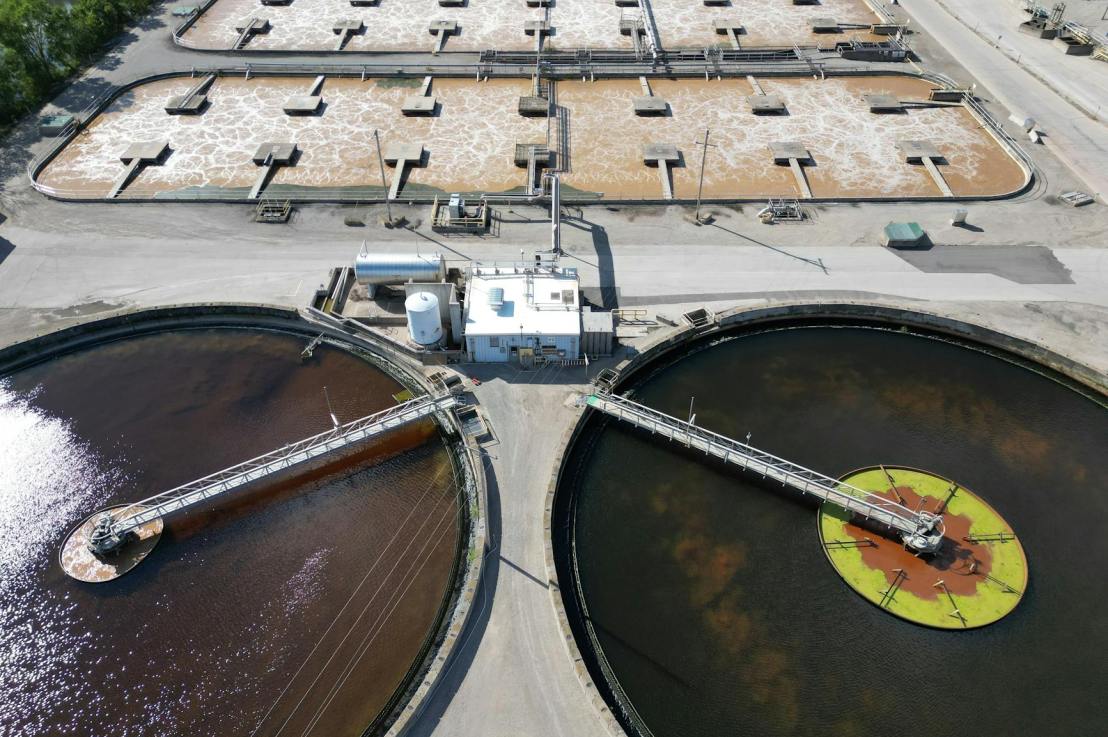
Environmental engineers often have to contend with surface overflow rates and weir overflow rates. But what do these mean, and how are they different? Well, the surface overflow rate measures the upward flow of water per surface area of a sedimentation tank/clarifier to determine if physical particles will settle out. In contrast, the weir overflow rate measures the flow volume moving along the length of the weir per weir length. The weir overflow rate determines how turbulent the incoming water over a weir is and how that might affect effluent quality. This is the difference between Surface Overflow Rates vs Weir Overflow Rates.
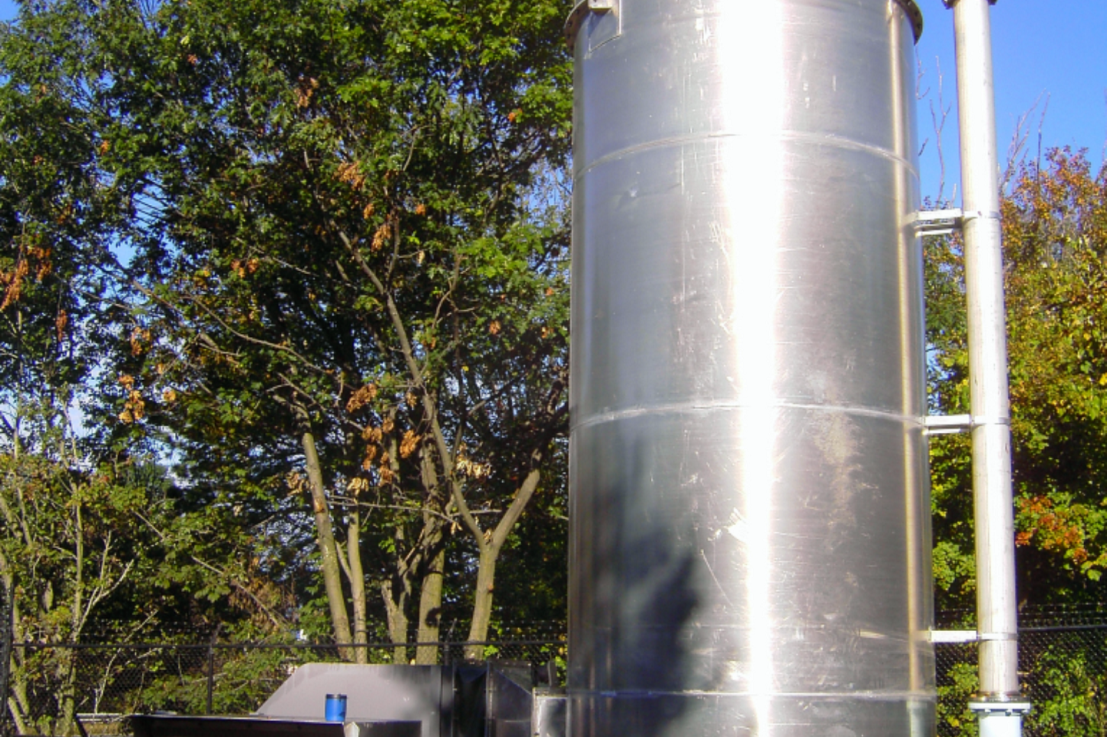

Air Stripping Factor

Air Stripping Factor

Air Stripping Factor

03/23/26

“How can we quantify the effectiveness of an air stripper at removing contaminants?”

Air stripping towers are a wonder to behold. People will want to select an air stripping tower model based on whatever has the best effectiveness. This is summarized by the Air Stripping Factor, which is proportional to the volumetric air-to-weight ratio multiplied by Henry’s constant. The higher the air stripping factor, the better the tower will perform.

Image credit: https://deltacooling.com/

Sod

Sod

Sod

03/21/26

“How can we create landscapes with pre-grown grass?”

People like to create grassed landscapes. However, grass can take time and resources to develop. So what if we could insert pre-made grass? Well, this is the idea behind Sod, rolls of pre-grown grass. Sod contains grass blades and dirt, with the grass’ root base. People can use sid to stabilize disturbed areas and decelerate the flow of rainwater. 

Frontage

Frontage

Frontage

03/20/26

“What describes the length or area of property that borders a street?”

Buildings often face streets. The length or area that a building lot faces a street is known as the frontage. Frontages may refer to the lined perimeter of the building’s border, the area of the building façade, or the surface area of the area between the building and road.

TCLP — Toxicity Characteristic Leaching Procedure

TCLP — Toxicity Characteristic Leaching Procedure

TCLP — Toxicity Characteristic Leaching Procedure

03/08/2026

“How can we determine if waste will leach toxic chemicals when it rains?”

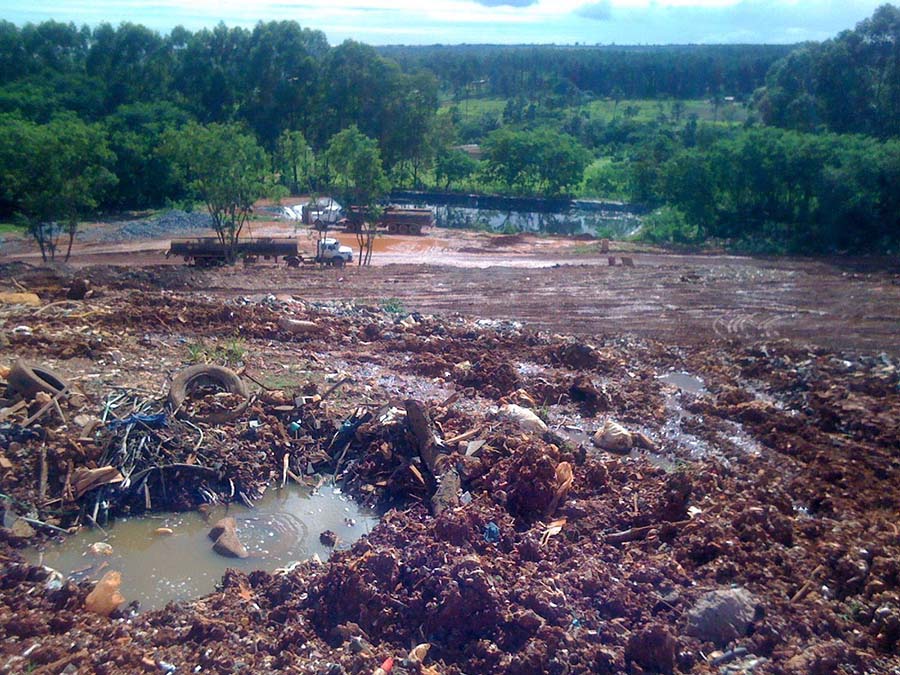
Surface waste management has to account for a lot of variables. One of them includes determining if the waste will leach toxic chemicals when it rains. SO what if we were to grind waste down like it was in a landfill, mix the waste with a weak acidic solution similar to acid rain, tumble the mixture for 18 hours, and chemically analyze the leachate output for contaminant limits? Well, these are the steps behind the TCLP — Toxicity Characteristic Leaching Procedure, an EPA RCRA procedure to determine the potential toxicity of waste leachate. 

Image credit: http://www.btlliners.com

Hydraulic Gradient Lines vs Energy Gradient Lines

Hydraulic Gradient Lines vs Energy Gradient Lines

Hydraulic Gradient Lines vs Energy Gradient Lines

03/07/26

“What is the difference between a fluid’s hydraulic gradient line and energy gradient line?”

Engineers often have to compute the hydraulic gradient line and energy gradient line for fluid flow. But what is the difference between them, and why does it matter? Well, the hydraulic gradient line represents how high the fluid would rise if a piezometer tube were placed at a specific point, given by the summation of pressure and elevation for a given fluid. The energy gradient constitutes the total energy of a fluid at a particular point, given by the summation of pressure, elevation, and velocity. The difference between the hydraulic line and the energy gradient line is the fluid’s velocity. One of the reasons why these are different is that it shows how the stored energy of the hydraulic gradient and the energy of motion of velocity are separate quantities, and another is that we often need different tools to measure the hydraulic gradient and velocity of a system, so we can combine them to find the energy gradient line. This is the difference between the Hydraulic Gradient Lines vs Energy Gradient Lines.

Underground Storage Tanks for Waste

Underground Storage Tanks for Waste

Underground Storage Tanks for Waste

03/06/26

“Why do people use underground storage tanks for waste?”

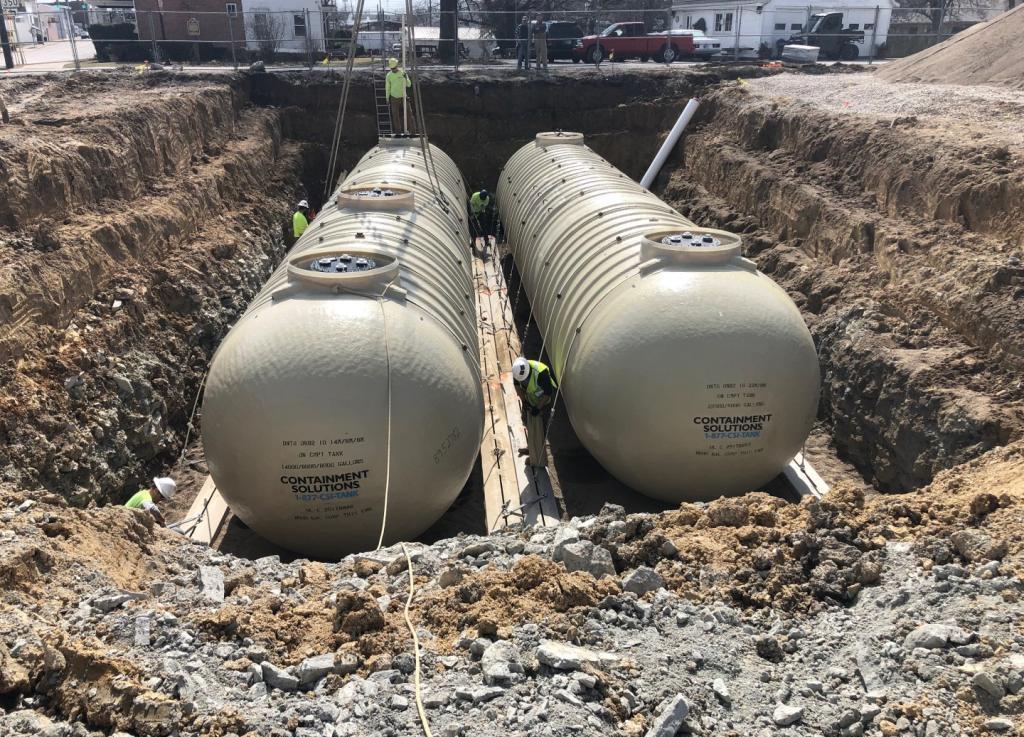
Waste is a massive problem for communities all over the world. Storing it above ground can take up space, cause public health problems during inclement and windy weather, emit perilous odors, and destroy visual aesthetics. So how can we use our engineering and planning mindsets to solve this? Well, what if we were to store waste underground? This can come in the form of Underground Storage Tanks for Waste. According to the U.S. EPA, underground storage tanks for waste are tanks and any underground piping system connected to the tank where at least ten percent of the combined volume is underground. Underground storage tanks for waste can address the aforementioned problems associated with surface-based waste management, and can store fluid waste more easily. However, waste managers must take extreme precaution with underground waste storage tanks because their structures can corrode or break and leak into the surrounding soil and groundwater, creating health crises. It’s best to choose long-lasting materials for building underground waste storage tanks.

Image credit: https://rivcoeh.org/

Soil Infiltration vs Transmission Rates

Soil Infiltration vs Transmission Rates

Soil Infiltration vs Transmission Rates

03/05/26

“What is the difference between soil infiltration and transmission rates?”

Soil infiltration and transmission rates are often discussed interchangeably. However, there are big differences between them. Infiltration rate measures how quickly water enters soil from the surface, while transmission rate calculates the movement rate of water through soil. Soil infiltration rate is influenced by surface conditions and the level of soil inundation, while transmission rates are governed by soil permeability. This is the difference between Soil Infiltration vs Transmission Rates.

RCRA Listed Waste

RCRA Listed Waste

RCRA Listed Waste

03/02/26

“Is there a US EPA list that tells us if a particular waste is hazardous?”

The Resource Conservation and Recovery Act (RCRA) classifies how the US EPA handles waste. Title 40 of the Code of Federal Regulations (CFR) in part 261 has four lists, the F, K, P, and U lists, that delineates if a particular type of waste is hazardous. It’s important for American waste producers to check if they’re creating RCRA Listed Waste.