Static Pressure
08/13/25
“What’s the pressure of a fluid’s presence?”
Fluid pressure comes in all kinds of forms. Fluids will exert a pressure from their presence alone called Static Pressure. Air in a balloon is an example of static pressure.
"Wisdom begins in wonder" – Socrates
Category: Physics

Static Pressure
08/13/25
“What’s the pressure of a fluid’s presence?”
Fluid pressure comes in all kinds of forms. Fluids will exert a pressure from their presence alone called Static Pressure. Air in a balloon is an example of static pressure.

Stagnation Pressure
08/12/25
“What happens when a moving fluid comes to a halt?”
Many fluids move with a certain speed. But if they’re forced to abruptly come to a halt, they’ll convert all of their kinetic energy into pressure. This Stagnation Pressure is vital for understanding how static and dynamic pressure relate to each other and fluid motion.
Exergy
04/27/25
“How can we quantify the potential of energy in a system that can do work?”
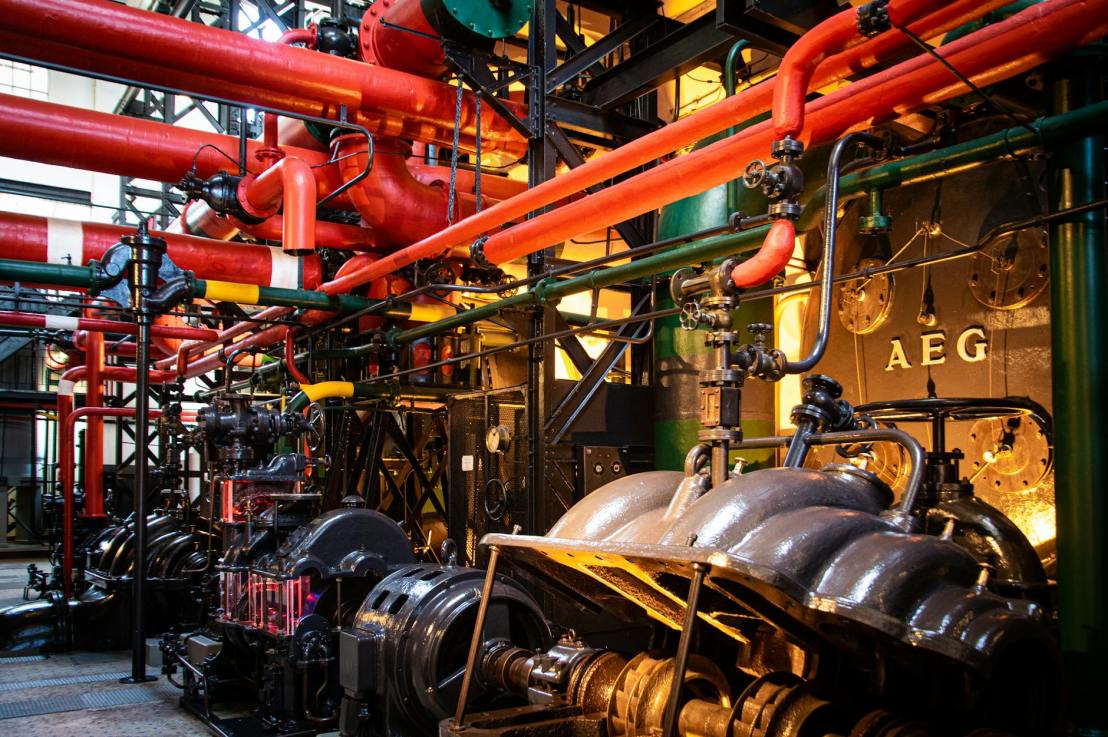
Anergy is the amount of energy in a system that can no longer do useful work. It’s complement, Exergy, is the amount of energy in a system that can do useful work. Exert plus anergy makes total work.

Anergy (Energy)
04/25/25
“What is energy that can no longer do useful work?”
When energy is used, sometimes it can no longer do useful work without a renewed energy supply. This energy is termed Anergy. One common form of anergy is waste heat. According to the second law of thermodynamics, the amount of anergy in the universe always increases with physical processes.

Colloids
03/15/25
“Are there substances that are neither suspended nor diluted in another substance?”
When people talk about substances that exist in another substance, it’s common to place them as being either suspended or diluted. However, a mixture exists between them. These substances, termed Colloids, exist between 1 to 1000 nanometers in size (to small to be visible to the naked eye) and do not settle out over time. Examples of colloids include jello, shaving cream, and milk.
Aquifer Porosity
03/05/25
“How can we quantify how much space an aquifer medium has?”
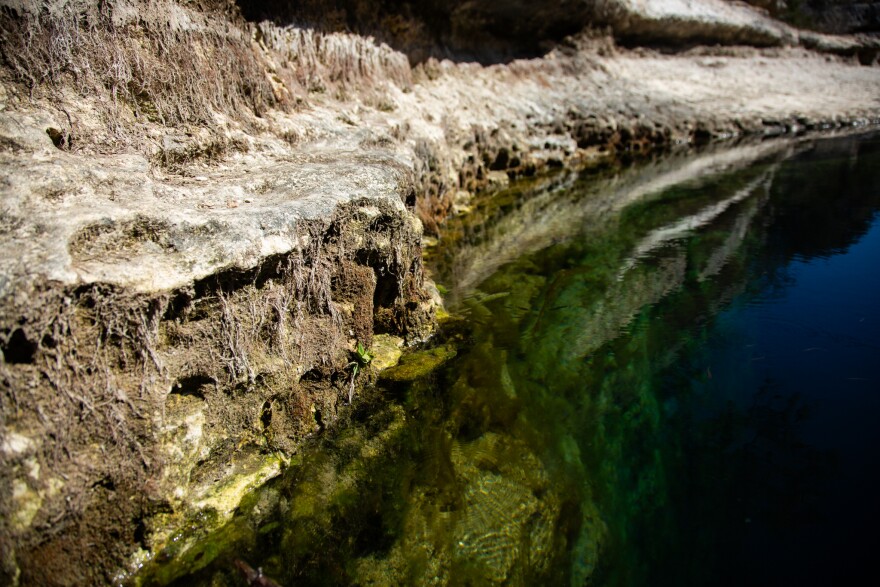
Aquifers exist because there is a void between rocks. The higher the void, the more water can flow through. This is quantified as the Aquifer Porosity, the ration of empty space within an aquifer medium to the entire volume.
Image credit: https://npr.brightspotcdn.com
Diffusion Contaminant Transport
03/02/25
“Why do contaminants diffuse from zones of great concentration to lower concentration?”
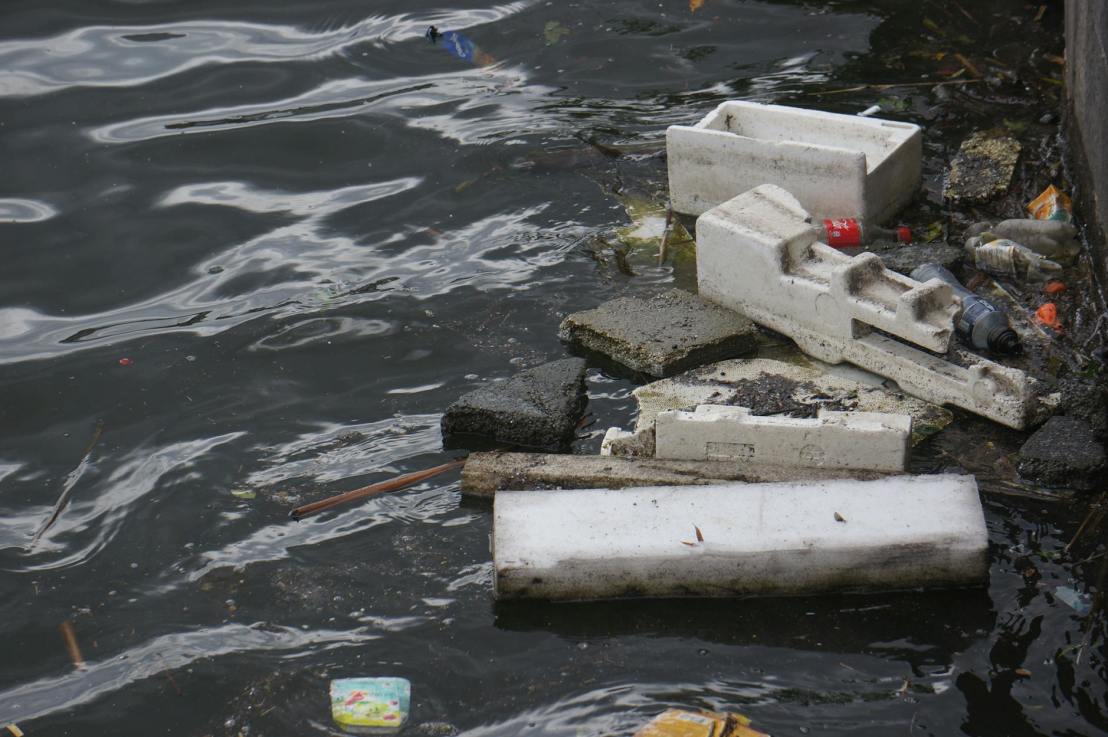
Contaminants enter substances in different concentrations. If the medium allows it, a contaminant will diffuse from a zone of high concentration to one of lower concentration. This Diffusion Contaminant Transport is important in understanding how contaminants move in substances like groundwater.

Flash Point (Materials)
12/29/24
“What’s the point where liquid materials catch fire?”
Flaming liquids are a marvel to behold. The juxtaposition of a chaotic physical structure engulfed by a menacing fire produces a fascinating spectacle. But how does this work? Well, all liquids have a vapor pressure associated with them. At a certain set of conditions called the Flash Point, the concentration of the liquid’s vapor in the surrounding atmosphere will suffice for ignition when a combustion source is applied.

Why Oil is Used in Cooking
12/27/24
“Why do people use oil to cook?”
The art and science of cooking involves using heat to warm up food. The more efficiently a medium transfers heat, the more efficiently it will cook. Oils can cook at higher temperatures than water, allowing for faster and more even cooking. Some oils will also impart a delicious flavor to what’s cooked. This is Why Oil is Used in Cooking.
 Isaac's Science Blog