Category: Mathematics

Resource Conservation and Recovery Act (RCRA) Sampling

Resource Conservation and Recovery Act (RCRA) Sampling

Resource Conservation and Recovery Act (RCRA) Sampling

02/28/26

“How do we sample waste to make sure it isn’t hazardous?”

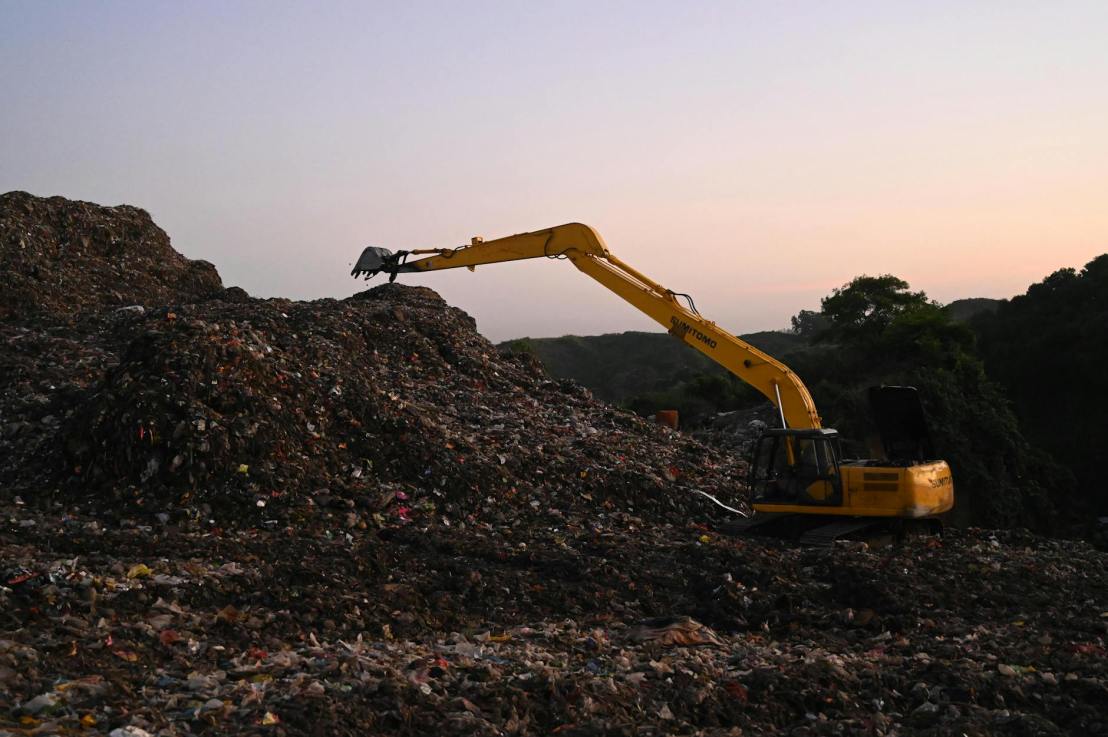
Proper waste disposal is important for keeping the local environment clean. Under the US Resource Conservation and Recovery Act (RCRA), waste generators must determine if their waste is hazardous. If there’s uncertainty about the waste composition, then waste generators must take samples to labs to determine if the waste is ignitable, corrosive, reactive, and/or toxic. Because waste samples can vary widely in contaminants, the waste generator must apply statistical sampling procedures. This means determining the mean, standard deviation, probability of detecting contamination if it truly exists, confidence that our conclusion is correct, the smallest difference from the regulatory standard that we want to detect, and the number of samples needed. Resource Conservation and Recovery Act (RCRA) Sampling is a vital part of determining waste hazards in the U.S.


Bond Value

Bond Value

Bond Value

01/29/26

“How can we estimate the current value of a bond?”

Entities take out bonds for all kinds of reasons, ranging from infrastructure development to trade balancing. Financial institutions want to know how much a potential bond might be worth. To accomplish this, people can estimate the present value of the bond’s final worth and the present value of the bond payments to arrive at the Bond Value. Bond values are fundamental for quantifying a bond’s appeal.

Uniform Amount per Interest Period

Uniform Amount per Interest Period

Uniform Amount per Interest Period

01/25/26

“How can we calculate equal payments per interest period under compound interest?”

Finance and interest move the investment world, whether it’s paying for infrastructure materials or the operations of a non-profit. Sometimes, when people take out a loan or investment, there will be an equal payment amount per interest period, even when there is compound interest involved. This Uniform Amount per Interest Period is a mix of paying off the interest and the principal amount. 

Hydrographs

Hydrographs

Hydrographs

08/03/25

“How can we graph the amount of water predicted to arrive over time?”

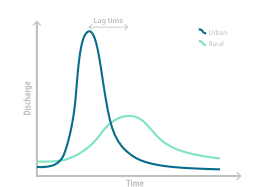
Water comes in and out of zones. Sometimes, we may want to graph how this will change over time. One way to accomplish this is to plot the volume of water on the y axis and the time duration on the x axis to make a Hydrograph. We can use hydrographs to plot both water inflowing to and outflowing from an area to predict how much storage is needed. 

Image credit: https://encrypted-tbn0.gstatic.com/

Hydrological Routing

Hydrological Routing

Hydrological Routing

08/02/25

“How can we predict how the volume of water will move through a confined body over time?”

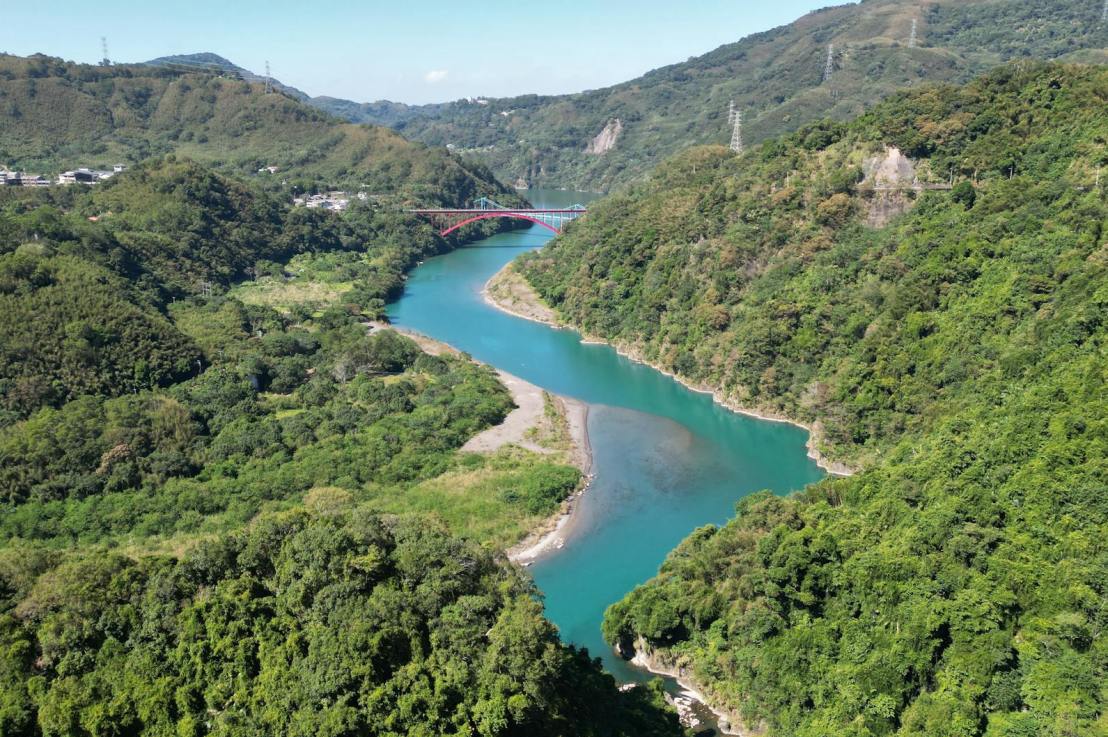
Water is a dynamic system that can move through confined physical bodies such as streams or storage units. Sometimes, we may want to model how the volumes of water will move throughout confined bodies. This task, known as Hydrological Routing, is vital for designing stormwater management systems and implementing flood controls.

Decision Matrix

Decision Matrix

Decision Matrix

04/24/25

“How can we evaluate a series of options for action implementation?”

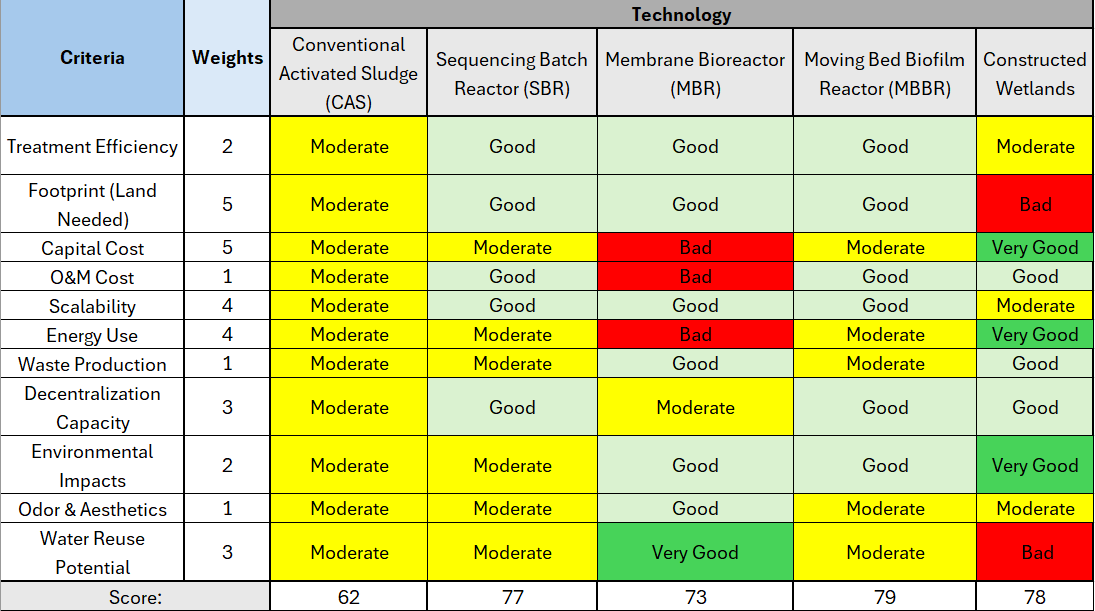
A Decision Matrix evaluates a series of options by integrating and ranking all pertinent criteria. Each criterion is given a score multiplied by a weight based on how vital a criterion is for selecting an option and then summed to form a final decision score. The system with the highest score is selected.

Boundary Conditions

Boundary Conditions

Boundary Conditions

04/08/25

“Why do we sometimes have to provide constraints to solve a problem?”

Some problems in technical subjects can sometimes have an infinite number of theoretical solutions. We can apply constraints known as Boundary Conditions to limit ourselves to feasible solutions to the problem. Examples of boundary conditions can range from limiting potential well drilling to areas outside of environmentally protected zones to solving differential equations for only a certain known range.

Parametric Insurance

Parametric Insurance

Parametric Insurance

02/04/25

“Can we have insurance that only pays out when a certain threshold is reached?”

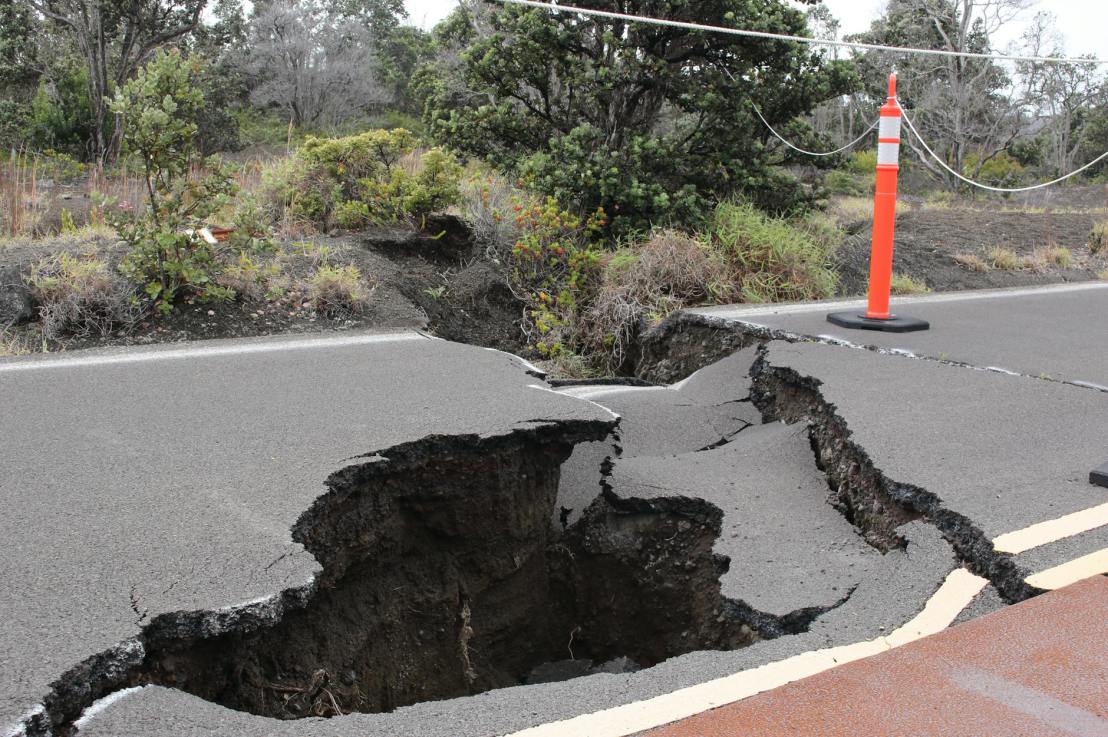
Insurance usually pays out when a loss is incurred. But a special type of insurance, Parametric Insurance, pays out after reaching a certain threshold. Example parameters for disaster parametric insurance include earthquake magnitude size, wind speed, or flood level.

Multivariate Regression

Multivariate Regression

Multivariate Regression

09/01/24

“How can we perform regression with multiple variables?”

We can use regression to determine the relationship between an input variable and an output variable. But what if we have multiple variables in either the input or output? Well, we use a technique called Multivariate Regression.