Category: Engineering

Site Connection Proposals

Site Connection Proposals

Site Connection Proposals

12/11/25

“How do new buildings and major renovations in NYC detail how they will connect to the sewer system?”

New York City is the largest and most complex city in the United States. Furthermore, it’s located in a humid climate prone to major storms. Consequently, the sewer system is of vital importance to the city. New developments and major renovations in NYC are required to submit plans detailing how they will connect to the sewers using designs, flow calculations, pipe types, and city infrastructure impact. These Site Connection Proposals must be approved by the NYC Department of Environmental Protection Bureau of Water and Sewer Operations (BWSO). Site connection proposals are critical to maintaining NYC’s public infrastructure safety.

Sewer Operations Volume

Sewer Operations Volume

Sewer Operations Volume

12/10/25

“How can we represent how much stormwater runoff from a building will enter the sewers at peak storm time?”

New buildings can generate large amounts of stormwater runoff if they increase impervious surface. This can overwhelm sewers if they’re not attenuated. To manage this, New York City has developed a concept called Sewer Operational Volume. Sewer operations volume is a volume that must be accounted for to attenuate the flow of a 10-year storm to the city sewers. Sewer operations volume is only met if you restrict flow to the maximum release rate for the site. Regulating sewer operations volume is critical for NYC to protect its residents from the worst impacts of climate change.

Utility Excavation Color Codes

Utility Excavation Color Codes

Utility Excavation Color Codes

12/09/25

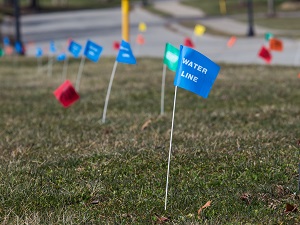
“How do utilities mark where their underground infrastructure is during excavation?”

Utility infrastructure is often underground, such as sewer pipes and electric power lines. This means that during construction excavation, people need to mark where the existing infrastructure is to avoid damage. The American Public Works Association has developed Utility Excavation Color Codes to visually indicate on-site locations of infrastructure, such as red for power lines or blue for potable water. Utility operators are obligated to mark their infrastructure location using paint and/or flags in their assigned colors. Utility excavation color codes help protect construction professionals and the general public from preventable accidents.

Image credit: https://cdn.prod.website-files.com/

Road Interchanges

Road Interchanges

Road Interchanges

12/07/25

“How can roads cross each other while changing height?”

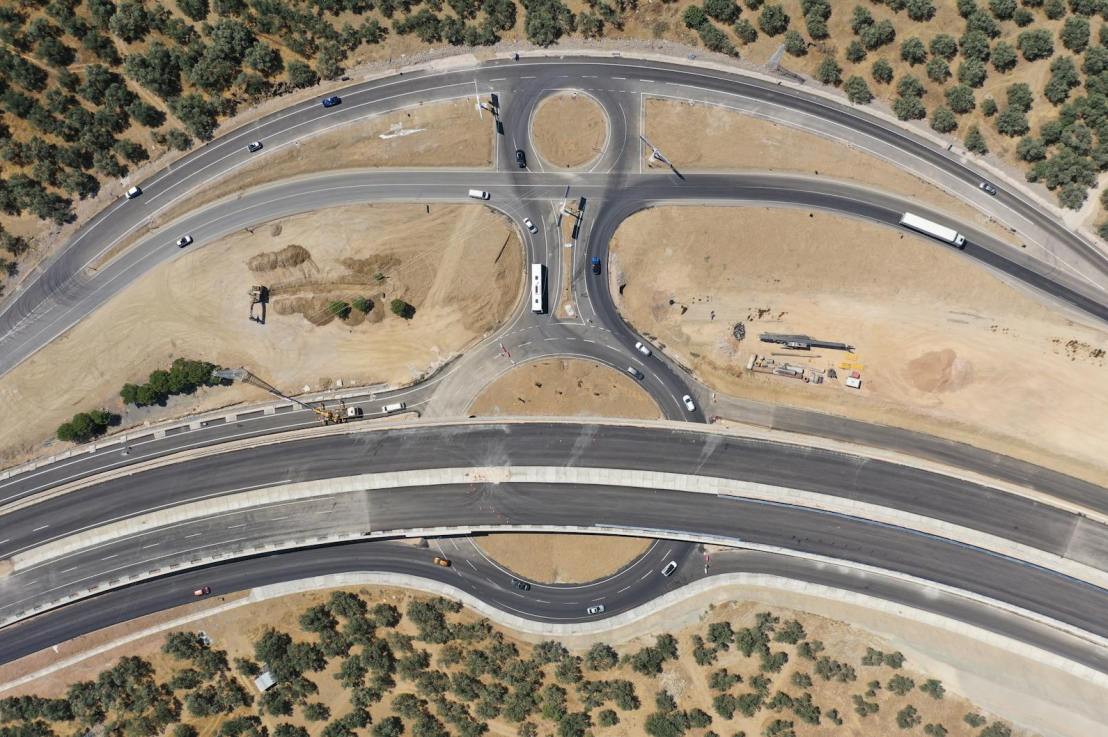
Road junctions allow people to cross from one road to another. But sometimes it’s not wise to allow for crossings at the same height, such as when people have to load onto freeways. One way to do this is to build a Road Interchange where crossings happen at grade separation. Separating roads at different heights allows vehicles to cross roads without stopping.

Soil Boring Logs

Soil Boring Logs

Soil Boring Logs

12/06/25

“How do we encode soil conditions from a soil boring test?”

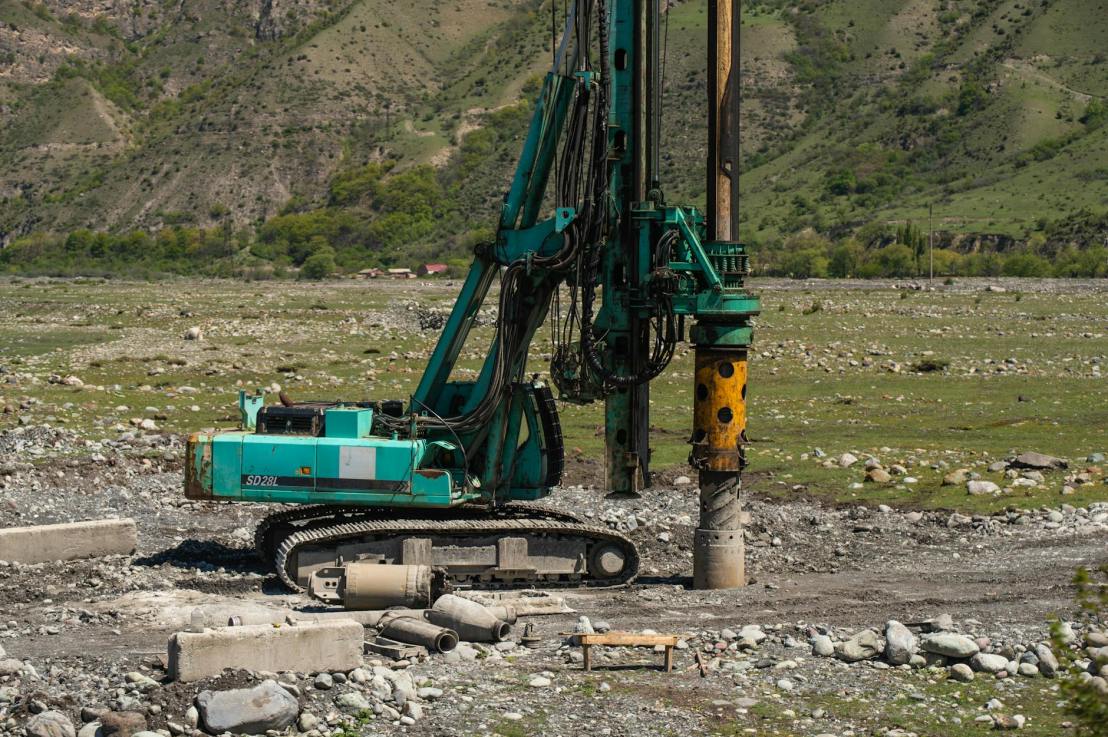
Engineers perform soil boring tests to understand subsurface properties. This information is categorized into Soil Boring Logs. Soil boring logs detail the subsurface lithology, rock density, grain size, and moisture content. Soil boring logs also provide information on groundwater and aquifers encountered in the drilling process.

Sewer Capacity

Sewer Capacity

Sewer Capacity

12/05/25

“How can we represent the total amount of wastewater a sewer can handle?”

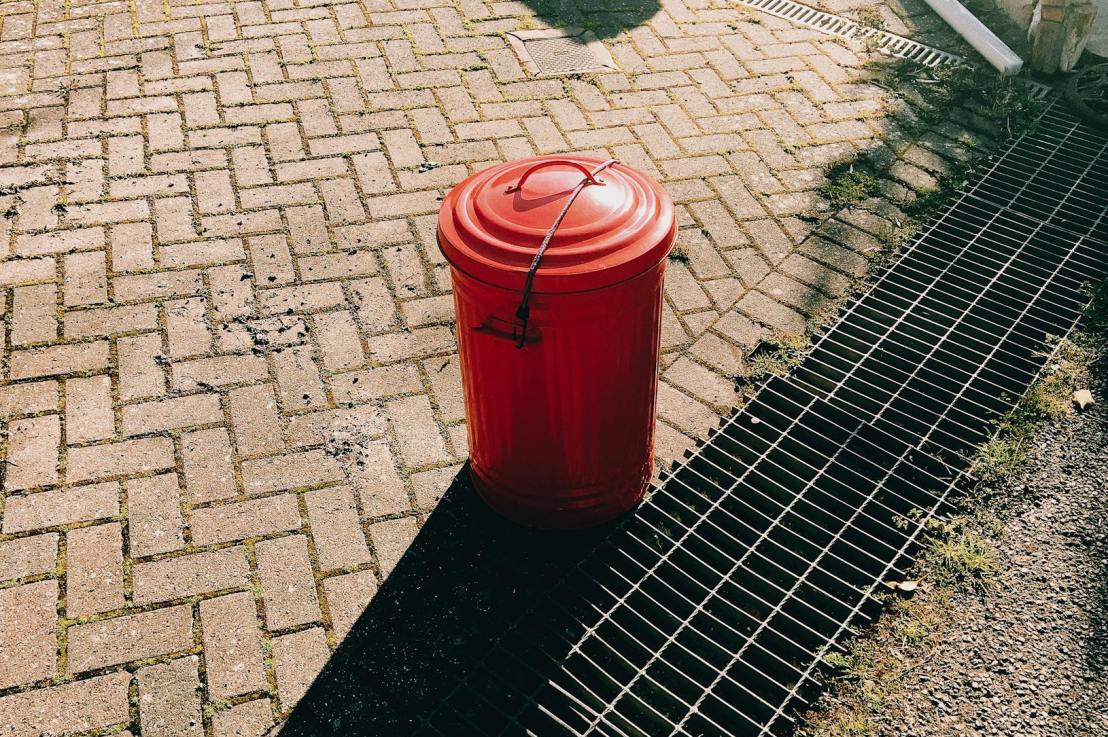
Sewers are one of the most important sanitary inventions. However, they can only handle a certain amount of wastewater, called Sewer Capacity, before they fail. Sewer capacity is dependent on a multitude of factors, such as pipe length, diameter, slope, material, as well as existing blockages and water speed. Sewer capacity may require expansion if a city is rapidly expanding.

Stormwater Management Programs (SWMP)

Stormwater Management Programs (SWMP)

Stormwater Management Programs (SWMP)

12/03/25

“How do municipalities plan for stormwater management?”

Nearly every part of the world receives stormwater, whether it’s the Syrian desert or the Amazonian Rainforest. The runoff from this stormwater can carry pollutants from municipalities to nearby water bodies. Towns and cities are required to devise a plan for managing stormwater pollution transport. In the U.S., these plans are called Stormwater Management Programs (SWMPs). The Clean Water Act requires public entities that operate MS4 systems to develop stormwater management programs. 

Impaired Water Bodies

Impaired Water Bodies

Impaired Water Bodies

12/02/25

“How does the EPA classify water bodies that don’t meet water quality standards?”

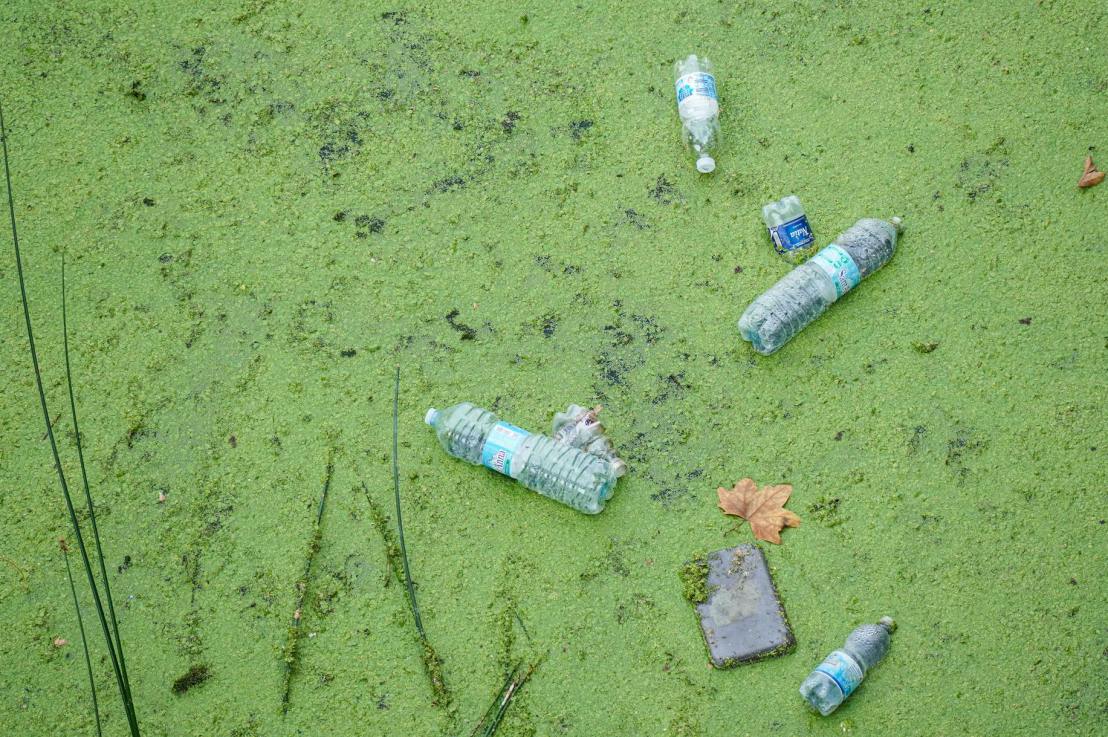
Water bodies all over the world have different levels of pollution. In the U.S., some water bodies are so polluted that they don’t meet water quality standards, leading the EPA to classify them as Impaired Water Bodies. Impaired water bodies are eligible to have a total maximum load pollution limit and environmental review for projects that may impact them to protect against further degradation.