Category: Engineering

Wastewater Lift Stations

Wastewater Lift Stations

Wastewater Lift Stations

06/19/25

“Why might we need to lift wastewater?”

It’s easy to move wastewater by channeling it from a higher elevation to a lower elevation. But sometimes wastewater is too low for gravity transport. Infrastructure operators can address this issue by utilizing Wastewater Lift Stations that pump wastewater upwards. This pushes wastewater to a higher elevation to allow for movement again.

Image credit: http://www.pumpsandsystems.com

Artificial Groundwater Recharge

Artificial Groundwater Recharge

Artificial Groundwater Recharge

06/11/25

“How can we recharge groundwater supplies using human-built infrastructure?”

Infrastructure operators need to maintain groundwater supplies at sustainable levels. Sometimes, demand is so high that groundwater levels will collapse if no external intervention is taken. Infrastructure operators can undertake Artificial Groundwater Recharge using human-built mechanisms such as recycling treated wastewater and stormwater.

Garbage Patches in Ocean Gyres

Garbage Patches in Ocean Gyres

Garbage Patches in Ocean Gyres

06/02/25

“Why do country-sized garbage patches circle the oceans?”

Ocean gyres rotate water between continents like a conveyor belt. When people release garbage into the ocean, it can get sucked into this rotation. Over time, this waste has accumulated into giant Garbage Patches in Ocean Gyres. The largest by area, the Great Pacific Garbage Patch, is estimated to be around twice as large as the U.S. state of Texas! These garbage patches are not continuous, solid masses, but rather similar to a mirky soup soup.

Image credit: cdn.prod.website-files.com

Natural Harbors

Natural Harbors

Natural Harbors

05/23/25

“What land forms make natural harbors?”

Harbors require protection from rough waters and depths deep enough for ships to navigate. Areas that naturally have these elements are labelled Natural Harbors. Examples of natural harbors include New York Harbor in the northeastern US and the Golden Horn in Istanbul. 

Harbors

Harbors

Harbors

05/17/25

“What makes a location safe for docking ships?”

Maritime operators need to store ships in a safe place when they’re docked. These locations, called Harbors, require enclosures to protect ships from strong currents and deep waters so ships can enter and exit without hitting land. Harbors are a vital part of oceanic infrastructure and helps the world operate the way it does.

Saltwater Intrusion in Groundwater

Saltwater Intrusion in Groundwater

Saltwater Intrusion in Groundwater

05/11/25

“How can saltwater corrode freshwater aquifers?”

Aquifers usually hold freshwater. However, coastal aquifers may have saltwater. Usually, saltwater in aquifers is kept at bay because of the natural coastal movement of freshwater. But if groundwater pumping is unsustainable, then the freshwater flow can decrease and suction of saltwater increases, leading to Saltwater intrusion into the aquifer. Saltwater intrusion can destroy drinking water and irrigation sources for people.

Water Softening

Water Softening

Water Softening

05/05/25

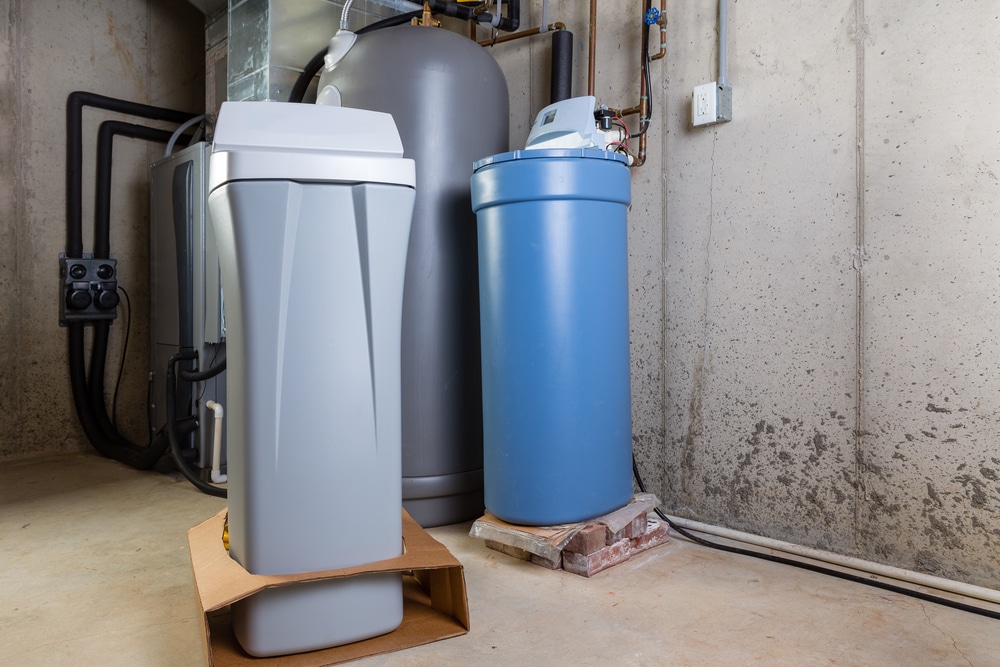
“How can we remove iron and manganese from water using positively charged sodium ions?”

Water Softening is a water treatment technique for iron and manganese. Water passes through a resin bed filled with positively charged sodium ions. These sodium ions “replace” the magnesium in the water, separating the latter from the substance. This technique is only recommended for water with pH greater than 6.7, water hardness between 50 – 350 mg/L, and dissolved iron concentrations less than 5 mg/L.

Image credit: https://kineticoutah.com/

Trenches

Trenches

Trenches

05/03/25

“What properties make up a trench?”

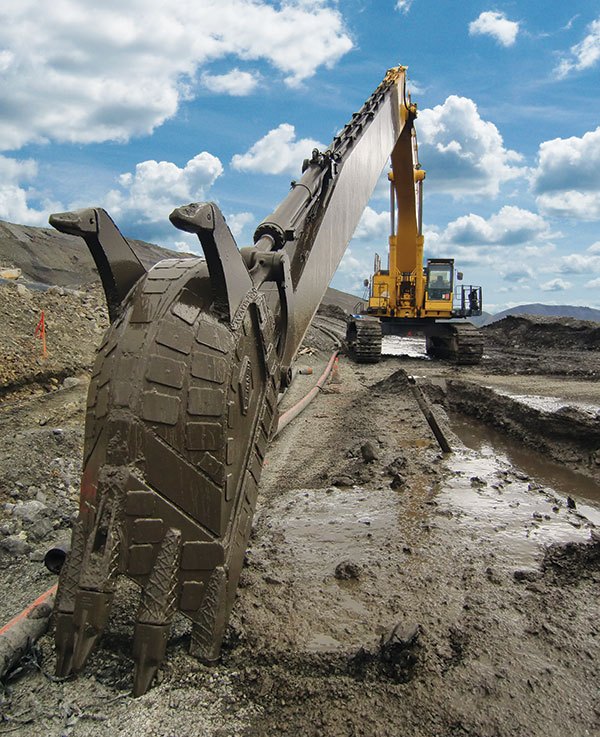
Trenches are a vital part of civil engineering and geology. But what properties make up a trench? Well, a trench is a depression that is longer than it is wide. Trenches are useful for laying underground infrastructure.

Slurry Walls

Slurry Walls

Slurry Walls

05/01/25

“How can we prevent groundwater from seeping into underground structures?”

Groundwater seepage is a threat to underground structure construction. But what if we built a trench around the structure and then fill it in with a slurry that blocks water? This is the idea behind Slurry Walls. Projects of all scales use slurry walls, from wells to the World trade Center.

Image credit: forgen.com