Category: Engineering

Current Collectors

Current Collectors

Current Collectors

08/28/24

“How is electricity for electrified rail systems transferred from supply to machinery?”

Electrified rail systems, whether they be high-speed locomotives or simple trams, need electric current to power their operations. This is typically done through a current collector, where a device transfers electric current from supply sources to the rail car.

Septic Tanks

Septic Tanks

Septic Tanks

08/24/24

“How do septic tanks work?”

Wastewater needs to be purified before it reaches groundwater supplies again. However, many water purification techniques use electricity to work. How can we accomplish this without electricity? Well, what if we were to flush wastewater into an underground tank. The heavy solid contaminants in the wastewater would sink to the bottom, and lighter ones would float to the top and form a scum layer. Over the span of one to two days, the solids should break down into scum. Now what if this tank were to have bacteria that breaks down the solid waste? When the tank fills up more, the liquid will empty into the drainfield and become absorbed by the soil. The bacteria in the soil layers will cleanse the water of contaminants, and eventually transfer it to the groundwater layer. These machines called Septic Tanks are a real thing and this is how they work.

Image credit https://assets-global.website-files.com/

Sewage

Sewage

Sewage

08/22/24

“What is sewage?”

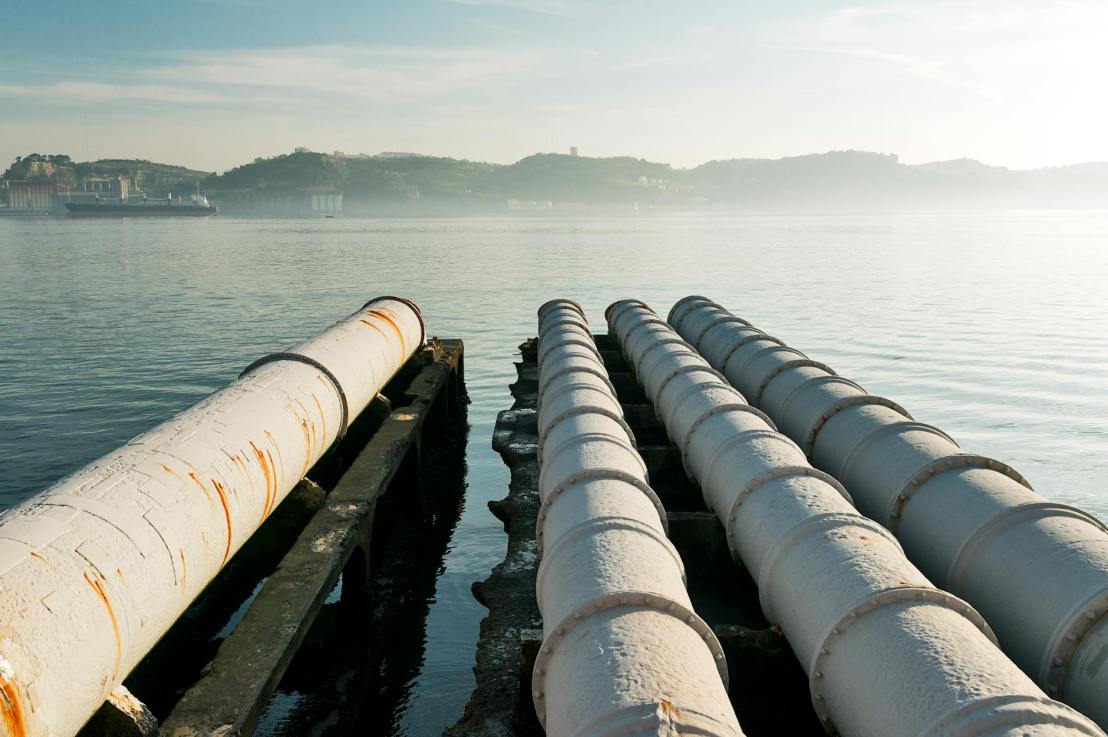
Wastewater can contain all types of pollutants. Wastewater that specifically carries human waste (feces and/or urine) is known as Sewage. Sewage is a public health hazard and must be stored and treated away from people.

Block and Tackles

Block and Tackles

Block and Tackles

08/21/24

“How can two or more pulleys be used together to lift heavy objects?”

Pulleys can use mechanical advantage to transmit greater force than inputs. Any system with two or more pulleys with a rope or cable connecting them is known as a Block and Tackle. Block and tackles are one of the main mechanisms behind cranes.

Coagulation For Water Treatment

Coagulation For Water Treatment

Coagulation For Water Treatment

08/16/24

“How can we filter mixed contaminants in water as separate solids?”

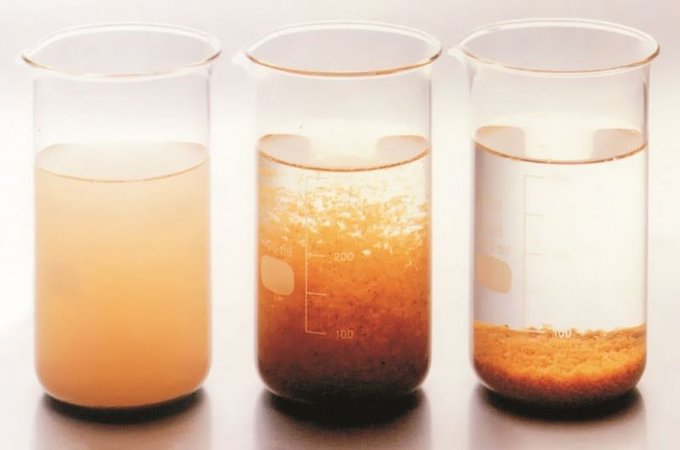
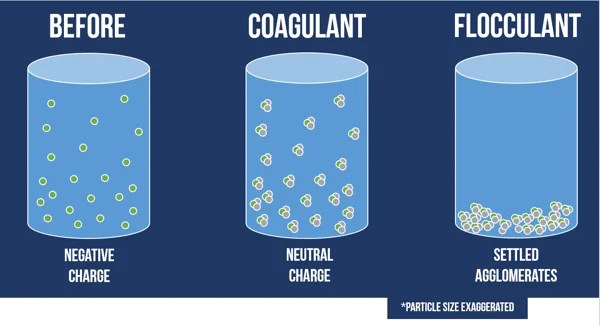
Contaminants mixed in with water can be very difficult to filter out. They seem stuck and stubbornly hold on. But what if we could apply some of our chemical knowledge to solve this? Well, we know that some pollutants have a slight negative charge. So what if we were to insert a non-toxic positively charged material that would bond with the negatively charged material? That way we can then physically filter out the pollutants. This process is called Coagulation For Water Treatment and is a common application around the world.

Image credit https://www.dober.com/

Filter Cakes

Filter Cakes

Filter Cakes

08/14/24

“What is the material left behind mechanical filters?”

Mechanical filters use small gratings to remove solid material from a fluid forcibly. However, some of the solids may stay attached to the filter. Over time this material will build up behind the filter and form a Filter Cake. Filter cakes can impinge the effectiveness of filters by letting less water pass through.

Image credit: https://upload.wikimedia.org/

Phosphorous Water Pollution Remediation

Phosphorous Water Pollution Remediation

Phosphorous Water Pollution Remediation

08/13/24

“How can we remove phosphorous pollution from water?”

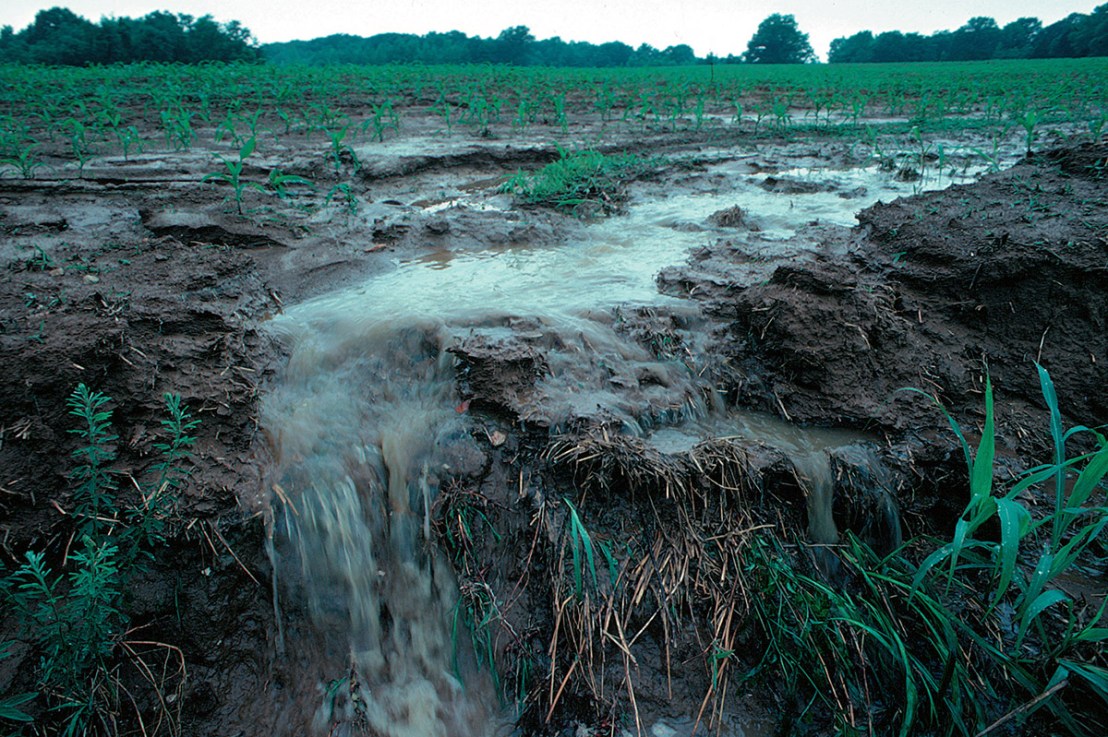
Phosphorous pollution can lead to algae outbreaks in water bodies, choking off life that lives there. So how can we take phosphorous pollution out of the water? Well, it turns out there are many ways to do this. Phosphorous can be removed chemically through iron and aluminum coagulants, biologically through specialized bacteria, or physically through sand filtration and membrane technologies. Phosphorous Water Pollution Remediation is a necessary step to healing tainted water.

Image credit https://news.illinois.edu/

Nitrogen Water Pollution Remediation

Nitrogen Water Pollution Remediation

Nitrogen Water Pollution Remediation

08/12/24

“How can we remove nitrogen pollution from water?”

Nitrogen pollution can lead to algae outbreaks in water bodies, choking off life that lives there. So how can we take nitrogen out of the water? Well, what if we were to use a series of bacteria to convert the excess nitrogen to another form? This is how Nitrogen Water Pollution Remediation works and is an important part of keeping wastewater treatment plants operational.