Category: Engineering

Federal Dam (Hudson River)

Federal Dam (Hudson River)

Federal Dam (Hudson River)

10/01/26

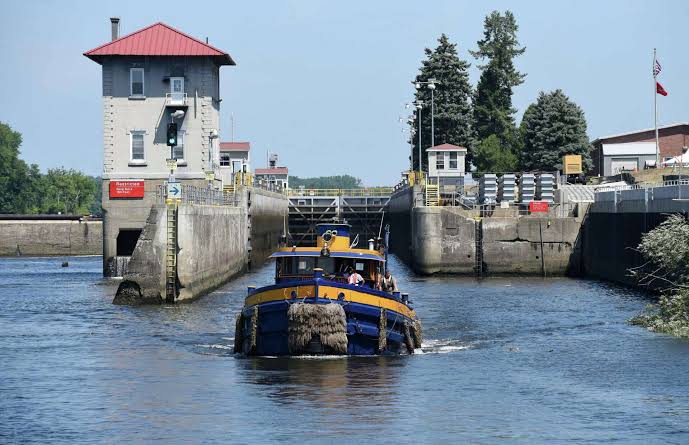
“What marks the end of tidal influence in the Hudson River?”

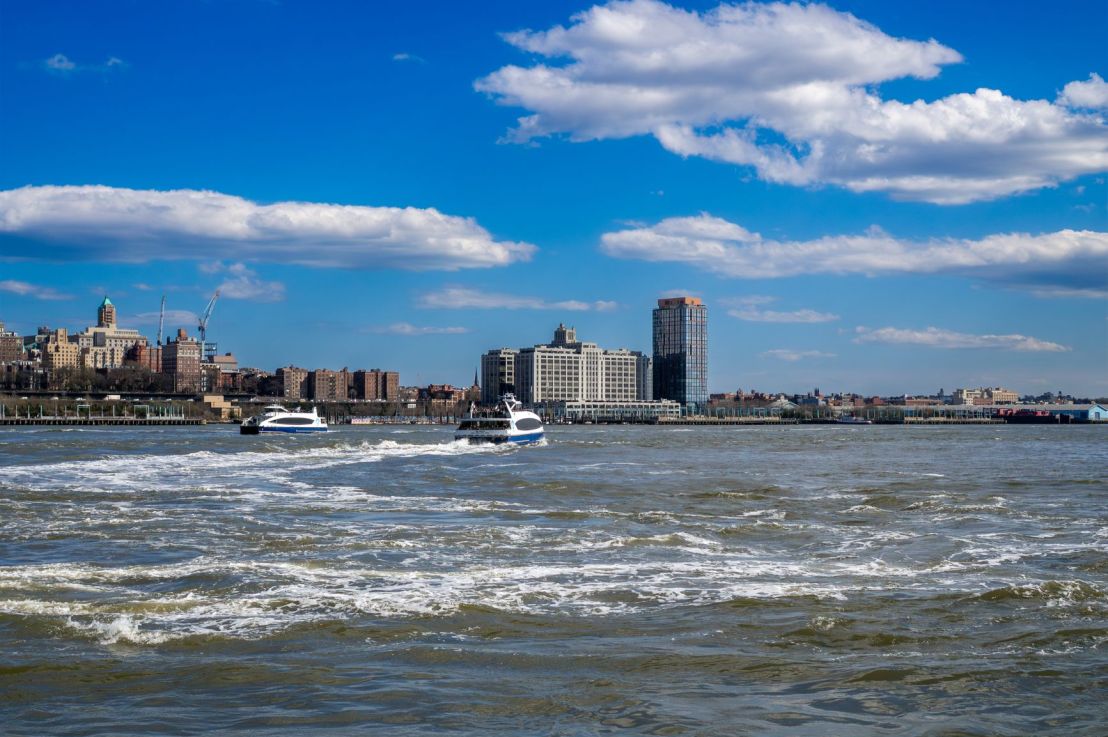
The Hudson River is a fascinating piece of geography. The upper portion runs like a normal river, while the lower portion is a tidally influenced estuary. But what marks this point? Well, over 100 years ago, the federal U.S. government built the Federal Dam to control the transition from the lower to upper portions of the Hudson River.

Image credit: https://encrypted-tbn0.gstatic.com/
Shallow Concentrated Flow

Shallow Concentrated Flow

Shallow Concentrated Flow

09/21/26

“How does sheet flow turn into channel flow?”

Rainwater moves on the surface as sheet flow after hitting the ground. But soon enough, the runoff will bump into surface irregularities and begin to collect as neither sheet nor channel flow but something in between, Shallow Concentrated Flow. Shallow concentrated flow forms as small rivulets, has a flow depth between 0.1 and 0.5 ft, and is typically formed after sheet flow travels between 100 and 300 ft.

Complete Streets

Complete Streets

Complete Streets

09/15/26

“How can we design streets that are safe for all different types of transportation users?”

City streets in many parts of the world are designed with only cars in mind. But people move through streets in more than just cars, whether it’s by walking, biking, or taking transit. Car-centric street designs build infrastructure that’s incomplete for everyone’s needs and safety. Complete Streets, developed by Smart Growth America, is a street planning approach that integrates all different transit modes into a safe, healthy, and friendly urban design. Complete streets center marginalized communities and develop clear, solid criteria in their process. Examples of complete street infrastructure include bike lanes, well-built sidewalks, and comfortable and accessible transit stops.

Wellpoints

Wellpoints

Wellpoints

09/14/26

“How can we hook up a series of pipes to a pump to drain groundwater?”

Groundwater dewatering is a major problem at construction sites. So how can we use our engineering mindsets to solve this? Well, what if we were to take a series of pipes with holes so small it can let water in without destabilizing an aquifer, place them in the groundwater, and connect them all to a common pipe that’s hooked up to a pump that drains the water? This is the idea behind Wellpoints, a brilliant way to dewater a construction site.

Image credit: https://crewell.it/

Wastewater Treatment Plant Capacity Ratings

Wastewater Treatment Plant Capacity Ratings

Wastewater Treatment Plant Capacity Ratings

09/13/26

“Why is understanding a wastewater treatment plant’s capacity rating so important?”

Wastewater treatment plants are built to treat a certain capacity of wastewater inflow. A Wastewater Treatment Plant Capacity Rating describes the average daily permitted flow of wastewater the plant can treat. For example, a 1.5 million cubic meter per day treatment plant is designed to treat 1.5 million cubic meters in one day. Wastewater treatment plants can treat more than their stated capacity for a short time, but it’s not recommended.

The Las Vegas Wash

The Las Vegas Wash

The Las Vegas Wash

09/11/26

“How does Las Vegas use a 12-mile swampy stream to recycle its wastewater?”

Las Vegas sits in a difficult place for water. The metropolis sits in one of the driest and hottest parts of the U.S., and climate change is expected to bring even less rainfall. But it turns out Vegas has a secret card up its sleeve. The Las Vegas Valley channels its wastewater into a 12-mile swampy stream called The Las Vegas Wash for purification. The plants in the Las Vegas Wash remove contaminants from the (post-treatment plant) wastewater, and the end of the stream ends at Lake Mead to connect back into the water supply system. This advanced water-recycling technique will only become more important as the climate-change-driven drought intensifies.

Image credit: https://www.lvwash.org/

Alluvium

Alluvium

Alluvium

09/10/26

“What is loose sediment deposited by flowing water?”

Flowing water erodes sediment and turns it loose. The water will then deposit the sediment as Alluvium. Alluvium soil is typically mixed from a wide range of different grain sizes.

End Caps

End Caps

End Caps

09/09/26

“What are the components that seal the ends of pipes and tubes?”

Pipes and tubes are important pieces of linear infrastructure. However, the end points are prone to intrusion by dirt, debris, and moisture. So how can we use our engineering mindsets to solve this? Well, what if we were to simply seal pipes and tubes with a cap? These End Caps are vital in sealing and protecting linear infrastructure from the outside elements. End caps are also instrumental in pressure testing and safeguarding linear infrastructure for future expansions.