Category: Engineering

Artesian Wells

Artesian Wells

Artesian Wells

03/09/25

“How can we harness artesian pressure for water use?”

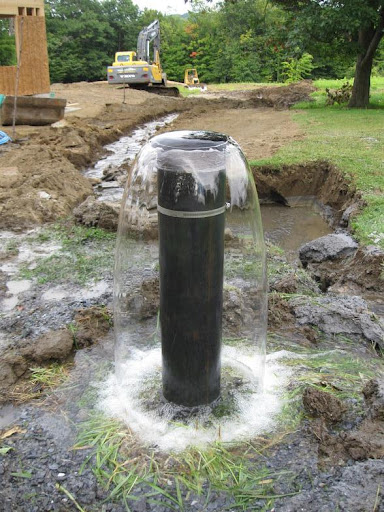
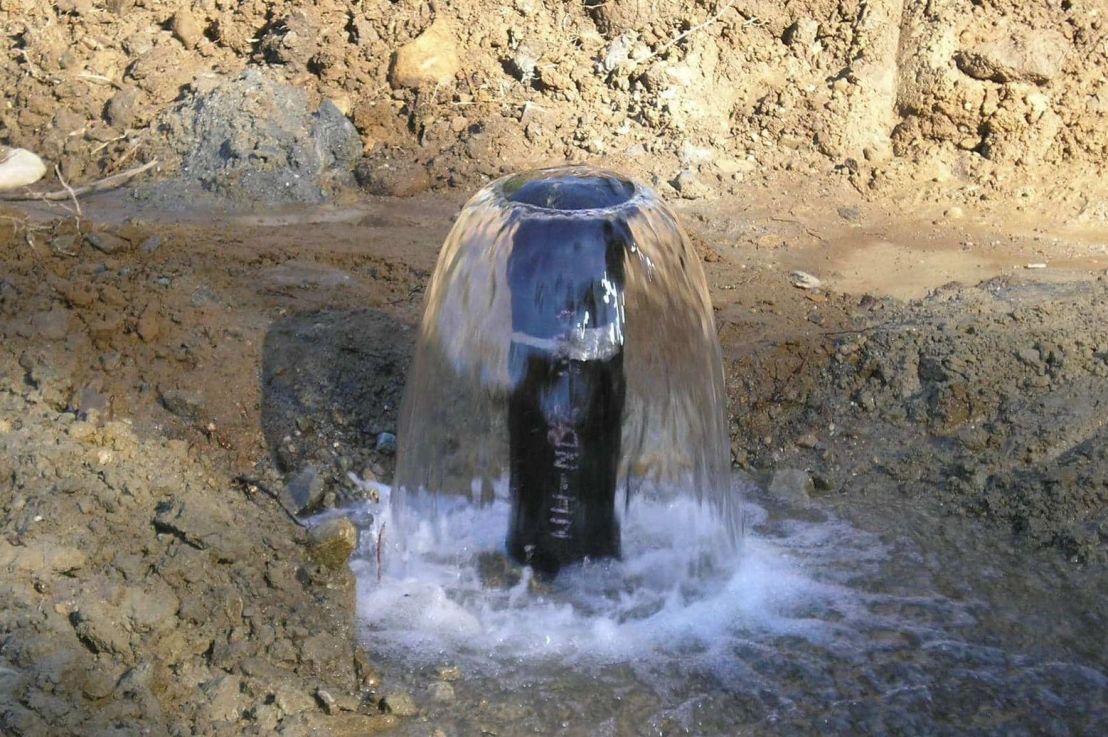
Groundwater can exert heavy artesian pressure on aquifer barriers. If someone opens up the barrier, the water will come shooting out from the pressure. This can be harnessed to make Artesian Wells that don’t rely on pumps to bring water to the surface.

Image credit: https://lh5.googleusercontent.com/
Artesian Pressure

Artesian Pressure

Artesian Pressure

03/08/25

“Why does some aquifer water shoot up by itself?”

We typically associate groundwater extraction from an aquifer as an energy-intensive process. But some groundwater goes up by itself. This is because, in confined aquifers, the groundwater naturally exerts a lot of pressure, but it is kept down by an impermeable layer. When this layer is removed, the water will shoot up from the Artesian Pressure biding it.

Image credit https://irp.cdn-website.com/

Why Clay Has High Aquifer Porosity But Low Permeability

Why Clay Has High Aquifer Porosity But Low Permeability

Why Clay Has High Aquifer Porosity But Low Permeability

03/07/25

“Why does clay have high porosity but low permeability?”

Clay has a highly porous structure, meaning that there are a lot of holes in its structures. However, these holes are small and not well connected to each other. This means water gets stuck in these small holes due to friction and stickiness. This leads to a low permeability. This is Why Clay Has High Aquifer Porosity But Low Permeability.

Aquifer Porosity

Aquifer Porosity

Aquifer Porosity

03/05/25

“How can we quantify how much space an aquifer medium has?”

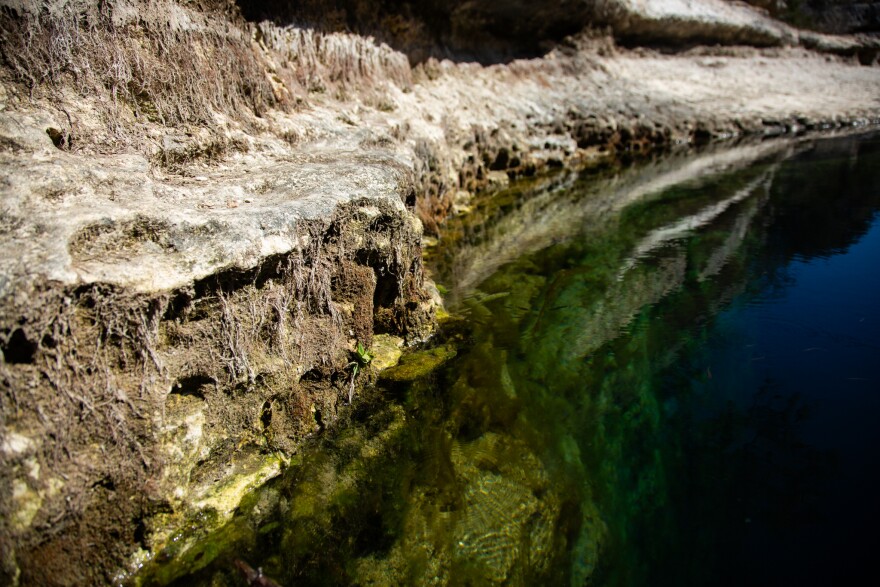
Aquifers exist because there is a void between rocks. The higher the void, the more water can flow through. This is quantified as the Aquifer Porosity, the ration of empty space within an aquifer medium to the entire volume.

Image credit: https://npr.brightspotcdn.com

Decentralized Wastewater Treatment

Decentralized Wastewater Treatment

Decentralized Wastewater Treatment

03/03/25

“How can we create water treatment systems that purify water near their use?”

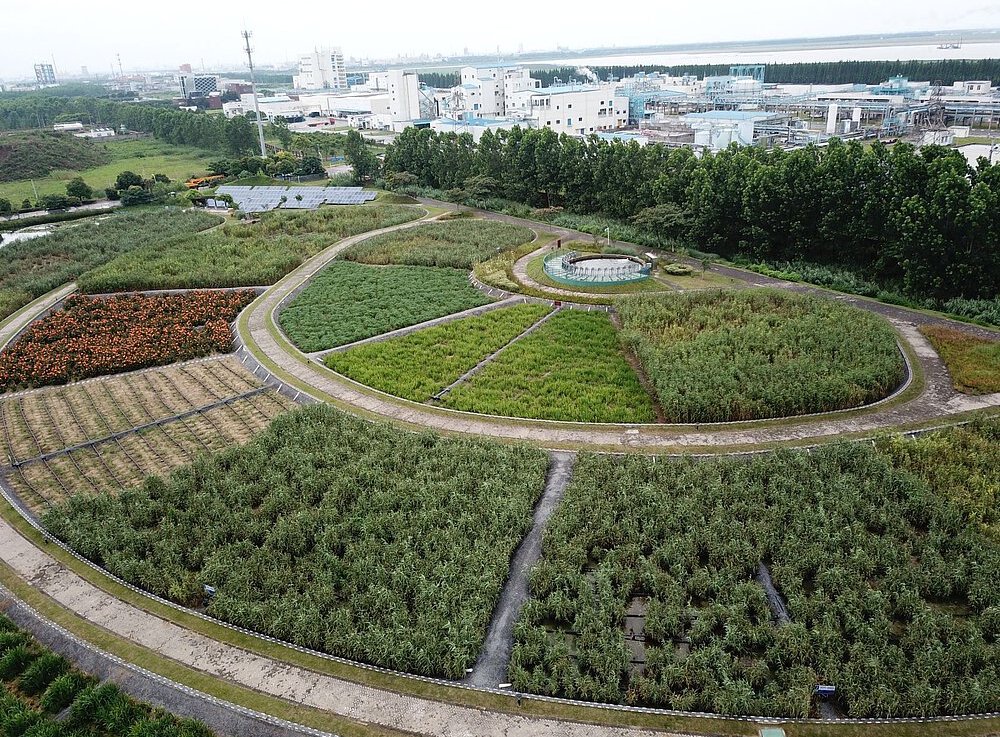
Centralized water treatment systems are the go-to for large, dense, and (relatively) wealthy urban areas. However, this typology may not work well for smaller, low-density communities in remote regions. Decentralized Wastewater Treatment, where wastewater is treated near the site of use, might be more applicable. Examples of decentralized water treatment systems include septic tanks and constructed wetlands.

Image credit: http://www.blumberg-engineers.com

Diffusion Contaminant Transport

Diffusion Contaminant Transport

Diffusion Contaminant Transport

03/02/25

“Why do contaminants diffuse from zones of great concentration to lower concentration?”

Contaminants enter substances in different concentrations. If the medium allows it, a contaminant will diffuse from a zone of high concentration to one of lower concentration. This Diffusion Contaminant Transport is important in understanding how contaminants move in substances like groundwater.

Contaminant Transport

Contaminant Transport

Contaminant Transport

02/28/25

“How are contaminants transported?”

Contaminants can cause massive damage to living organisms. But how do contaminants move from one place to another? Well, through the process of Contaminant Transport contaminants can move through media such as air, water, and soil. 

Caulk

Caulk

Caulk

02/20/25

“How can we seal joints and seams against leakages?”

Joints and seams help structures and piping operate. Occasionally leaks will develop. This can be solved by sealing joints and seams with a material called Caulk. Caulk can be made out of a variety of materials, and can improve building performance standards ranging from energy efficiency to infestation protection.

Grout

Grout

Grout

02/19/25

“What substance can we use to fill small gaps in existing structures?”

Gaps may exist within existing structures. These can be filled using a substance called Grout. Grout is a mixture of cement, sand, and water, and starts malleable but solidifies on application. Grout is commonly applied in construction.