Category: Engineering

Stormwater Pollution Prevention Plans

Stormwater Pollution Prevention Plans

Stormwater Pollution Prevention Plans

07/17/25

“How can we make plans to prevent new construction from polluting stormwater runoff?”

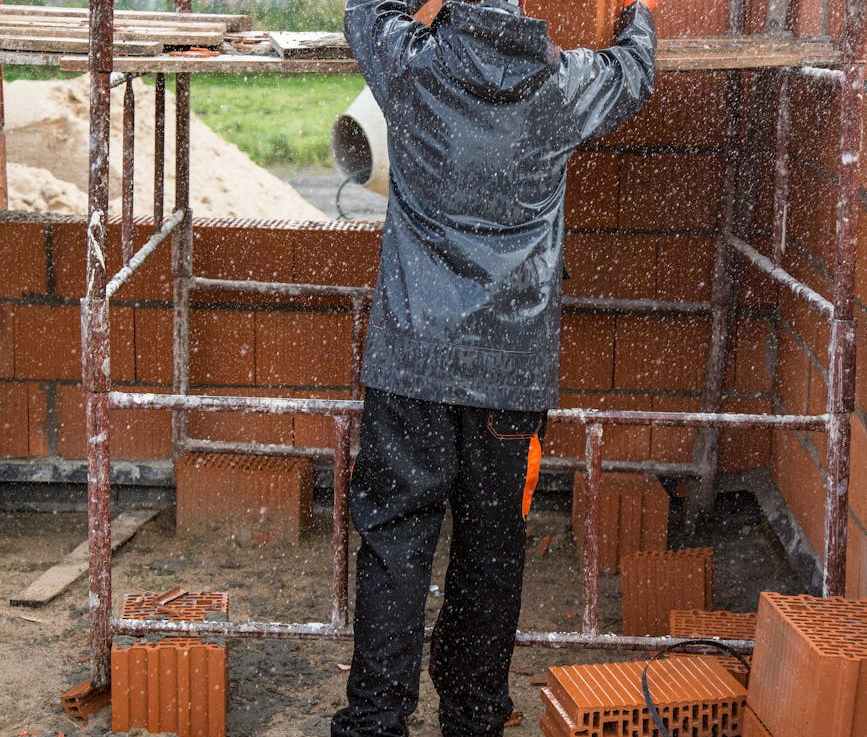
Construction activities such as soil tillage, hazardous material storage, and waste disposal can create pollutants that are carried into water bodies by stormwater. This can turn into a major environmental and public health problem if no regulations exist. Thankfully, in the U.S, new construction projects are required to submit a Stormwater Pollution Prevention Plan by the National Pollutant Discharge Elimination System (NPDES) permit program established under the Clean Water Act. Stormwater pollution prevention plans must include a site map, construction sequencing of the expected activities, potential pollution sources, best management practices undertaken to prevent pollution discharge, and supporting hydrological calculations.

Standpipes (Firefighting)

Standpipes (Firefighting)

Standpipes (Firefighting)

07/14/25

“How can we have water ready for firefighting on higher floor levels?”

Buildings catching fire are dangerous. Water needs to be readily available to put out the inferno. But if a fire breaks out on higher floors, it can be difficult to pump water to the necessary height to extinguish it. One way to solve this is to create piping that water hoses can attach to, with water ready to extinguish anything. These connections are called Standpipes and are used for firefighting around the world.

Standpipes (Streets)

Standpipes (Streets)

Standpipes (Streets)

07/13/25

“How can we use pipes to provide water on the street?”

Water is one of the foundations of human civilization. People cannot survive without it. Sometimes, we might need to provide water on the street for people. We can use freestanding pipes outfitted with taps, called Standpipes, to provide instantaneous access to water when necessary.

Image credit: https://encrypted-tbn0.gstatic.com/

Basement Waterproofing

Basement Waterproofing

Basement Waterproofing

07/12/25

“Why do we need to waterproof our basements?”

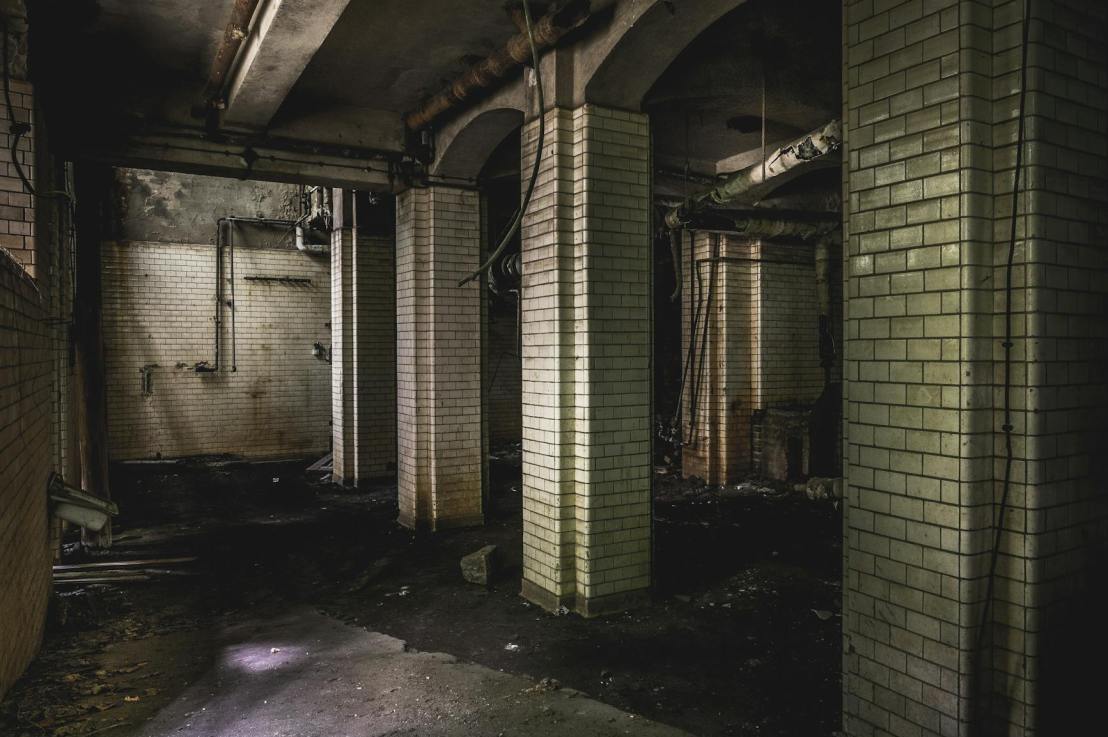
You can find basements in buildings all over the world. These subterranean floors allow for larger storage, cooking, and even living facilities. However, flooding can occur in basements and create structural damage, mold, and property destruction. People can apply Basement Waterproofing techniques such as sump pits and sump pumps to ensure the safety of the building.

Sump Pits

Sump Pits

Sump Pits

07/11/25

“How can we dig a pit to collect water for later discharge?”

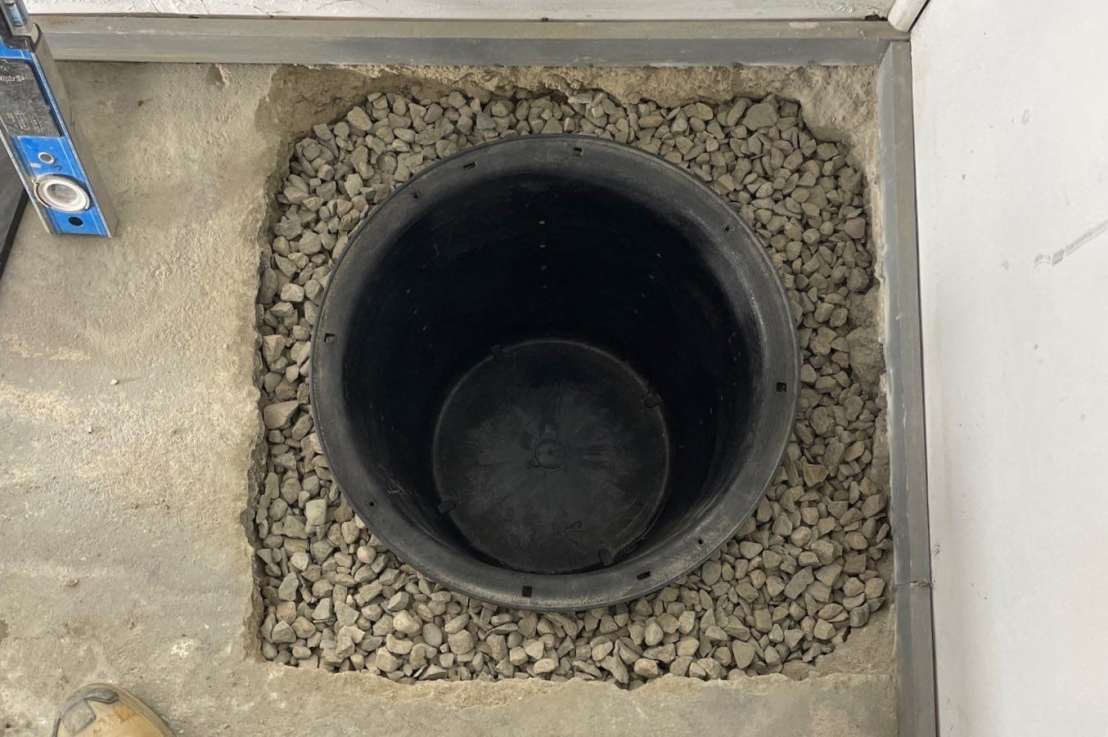
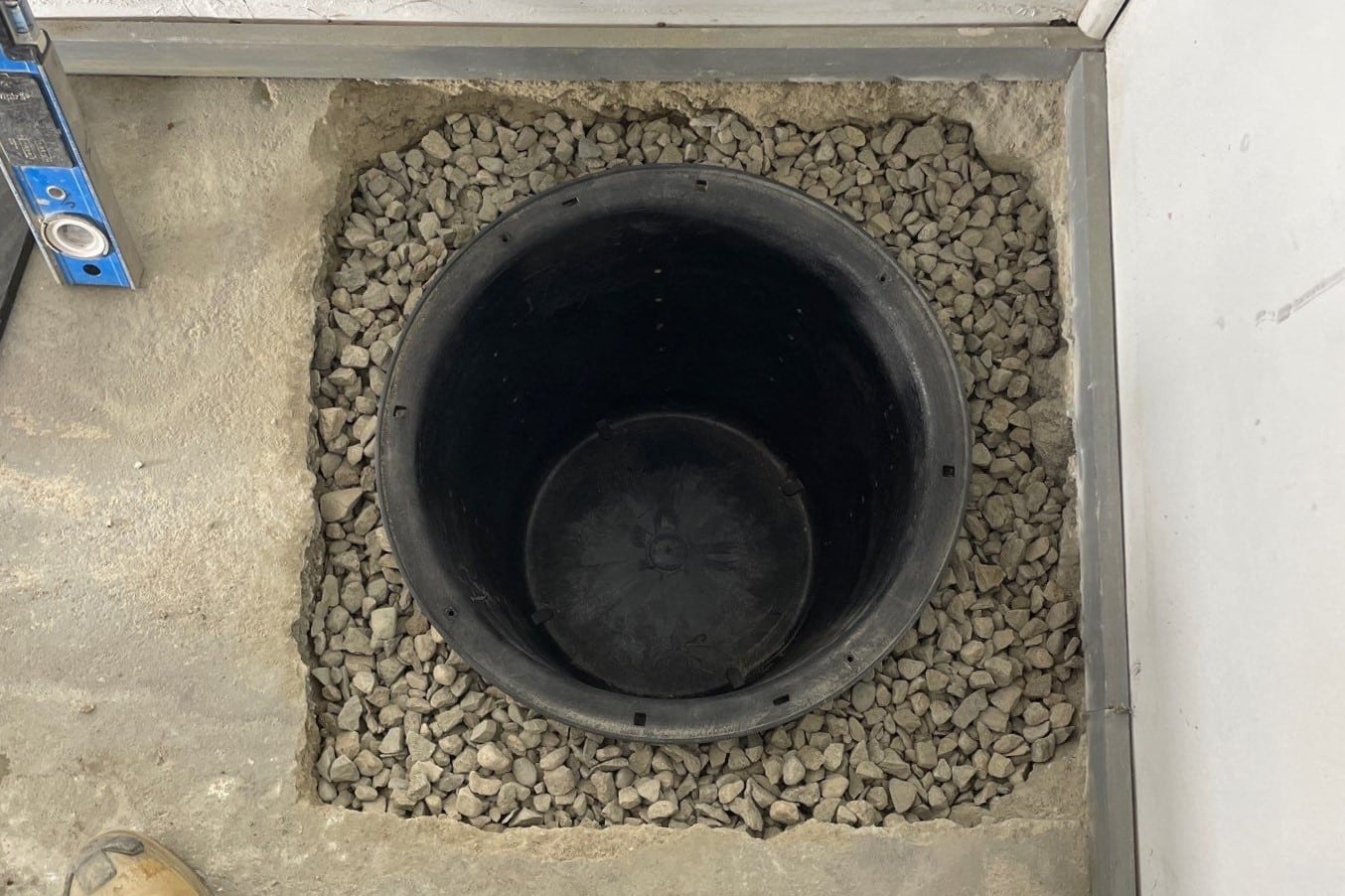
Too much water on a building’s floor can lead to a multitude of problems, ranging from mold to physical collapse. So what can we do to solve this? Well, what if we were to create a pit in the ground to hold the water and then discharge it later? This technique, known as Sump Pits, is an affordable way to manage stormwater in the built environment.

Image credit: https://drycretewp.com/wp-content/uploads/sump-pit.jpg

Sump Pumps

Sump Pumps

Sump Pumps

07/10/25

“How can we pump out water from basements and construction sites?”

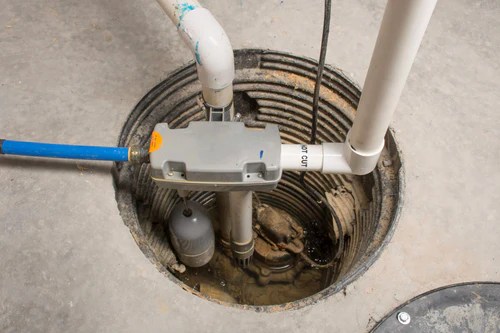
Water can accumulate in basements and construction sites and lead to long-term structural damage. One way to solve this is to install a pump in a sump pit and pump the water out. These devices, commonly referred to as Sump Pumps, are a choice for people to control water in the built environment.

Image credit: https://www.freshwatersystems.com/

Construction Stormwater Pollution Prevention Best Management Practices

Construction Stormwater Pollution Prevention Best Management Practices

Construction Stormwater Pollution Prevention Best Management Practices

07/08/25

“What are the best management practices for stormwater pollution from construction activity?”

Construction projects can release pollution into water bodies through stormwater. So what can we do to prevent this? Well, over time, engineers, planners, and architects have developed Construction Stormwater Pollution Prevention Best Management Practices, or BMPs to deal with these problems. Common BMPs focus on reducing soil erosion, reducing sediment loss, and managing materials and waste. Examples BMPs include silt fences, sediment basins, and bare ground stabilization.

NYC Unified Stormwater Rule

NYC Unified Stormwater Rule

NYC Unified Stormwater Rule

07/05/25

“How can NYC unify its stormwater regulations to cover both its combined and separated sewers under one regulation?”

Historically, NYC regulated stormwater in its combined sewer overflows differently than its municipal separate stormwater sanitary systems. But on February 15, 2022, NYC unveiled its NYC Unified Stormwater Rule. This regulation brought RCNY Title 15 Chapter 19.1 enforcement to the entire city and reduced the minimum qualification to 20,000 square feet. This shifted NYC’s stormwater pollution focus from off-site treatment to on-site treatment, putting NYC on a path to a more just and sustainable future. The NYC unified stormwater rule can increase equity in environmental justice communities due to their sizable presence in older combined sewer overflow neighborhoods. 

Construction General Permit

Construction General Permit

Construction General Permit

07/04/25

“How do U.S. states regulate stormwater pollution runoff from construction activity?”

Construction activities create pollution that stormwater can pick up and dump into surface waters. U.S. States use stormwater permits to keep their water bodies clean. Construction activities that meet certain criteria must obtain a Construction General Permit from the state environmental regulatory agency before starting work. Construction general permits are part of the National Pollution Discharge Elimination System (NPDES).