Category: Engineering

Does Catch Basin Cleaning Have an Effect on CSO Events?

Does Catch Basin Cleaning Have an Effect on CSO Events?

Does Catch Basin Cleaning Have an Effect on CSO Events?

11/15/25

“Does catch basin cleaning have an effect on CSO events?”

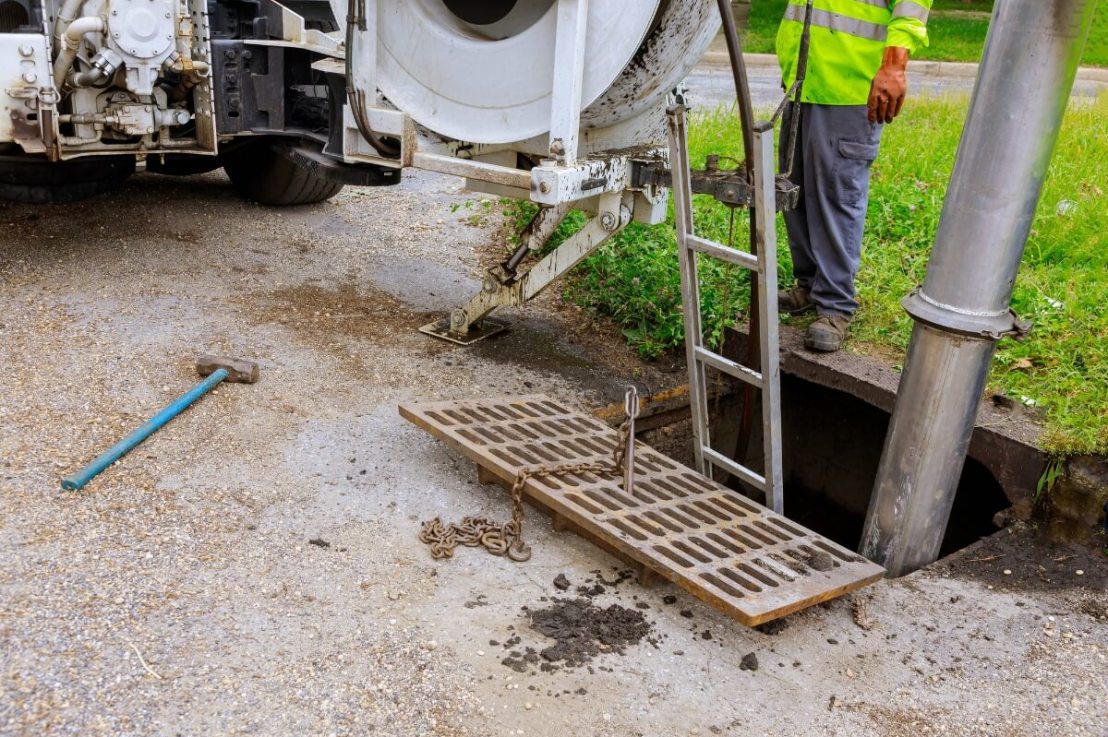
Does Catch Basin Cleaning Have an Effect on CSO Events? The main benefit cleaning catch basins provides is removing debris/sediment that can get caught in sewer pipes and equipment, increasing the area for stormwater flow, and strengthening capacity against CSO events.  However, adopting a catch basin and keeping it clear may not reduce CSO impact if it’s in a CSS area. In fact, it may lead to a larger CSO event if there since more water will enter the sewerage system. 

Catch basin maintenance is more important for flood control and long-term care of CSS infrastructure rather than CSO reduction. According to this report from Atlanta, infrastructure operators should identify areas with basins that generate high amounts, and develop a schedule to clean those areas on a more frequent basis.  

Image credit: https://graysonseweranddrain.com/
Check Dams

Check Dams

Check Dams

11/14/25

“How can we prevent erosion using structures that slow down water flow?”

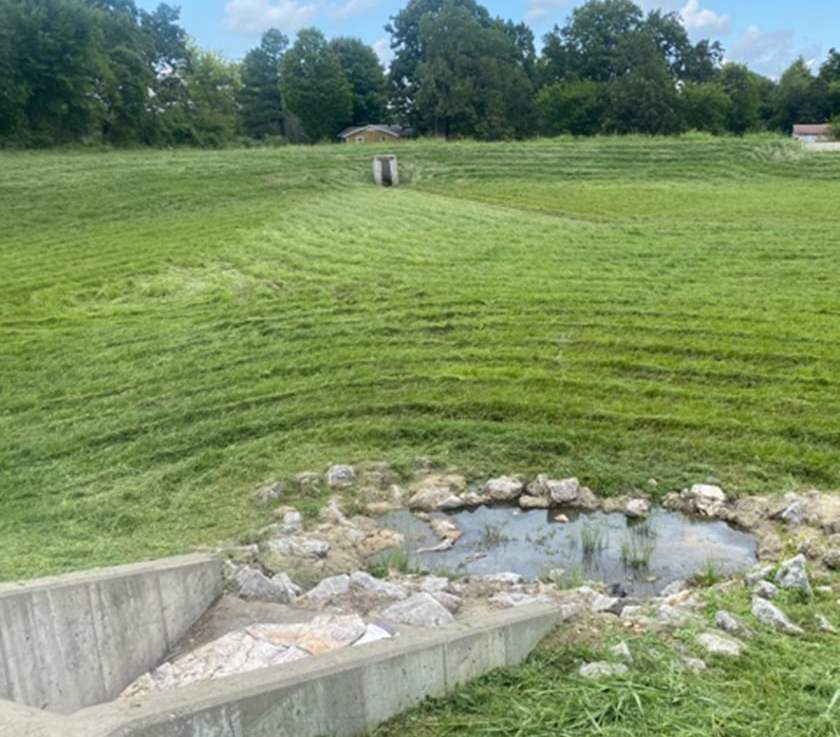
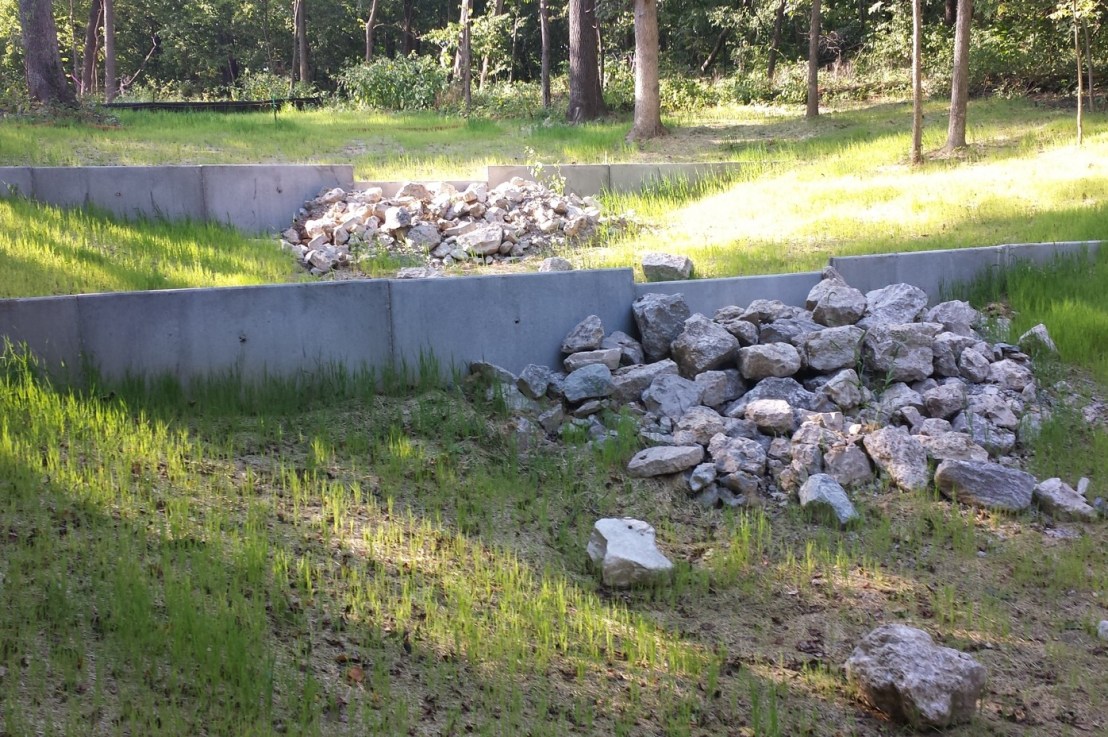
Water flowing too fast in a specific area can lead to erosion. We can slow water down to prevent erosion, not only by removing harsh friction but also by allowing sediment to settle and replenish eroded gullies. Slower water also has more time to infiltrate and recharge groundwater levels. So what if we create miniature dams that impede the flow of water to moderate velocity and achieve sedimentation control? Well, this is the idea behind Check Dams. Check dams are a foundational part of erosion and stormwater management. Infrastructure designers can implement check dams in water quality swales to achieve synergy across both interventions. Check dams are usually implemented in channels or swales instead of live streams. It’s recommended to not build check dams in high-slope environments since the velocities of the incoming water may be too high for check dams to handle effectively.

Image credit: https://stormwater.pca.state.mn.us/

Wet Swales

Wet Swales

Wet Swales

11/13/2025

“How do we categorize water quality swales that are saturated for most of the time?”

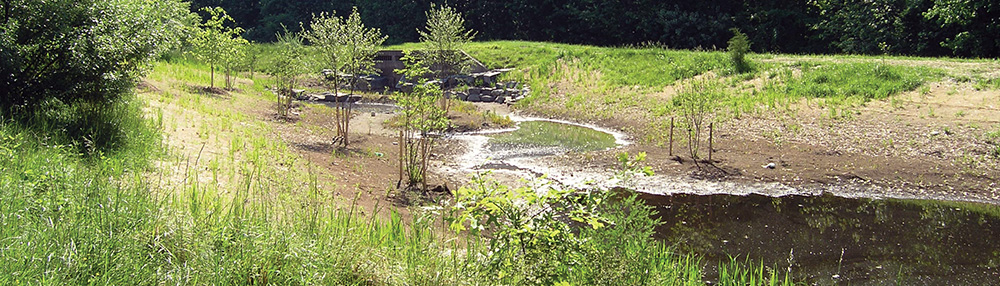
Water quality swales come in many different sizes. Dry swales are dry for most of the time, but there are also Wet Swales that remain saturated for most of the time. Wet swales are built into existing swales and store stormwater runoff within a collection of cells inside the channel. This setup can lead to conditions similar to those found in wetlands. Managers usually implement wet swales to treat and convey stormwater runoff, but not infiltration since they’re not designed for infiltration.

Image credit: https://www.fairfaxcounty.gov/

Dry Swales

Dry Swales

Dry Swales

11/12/2025

“How do we categorize water quality swales that are dry for most of the time?”

Water quality swales treat stormwater runoff using vegetated open channels. Not all of these interventions are designed the same. Some are dry for most of the time, giving them the name Dry Swales. Dry swales have specifically selected, highly permeable soil, an underdrain system, and surrounding check dams. Dry swales provide strong performance for metals and nitrate removal, but have higher costs from using highly permeable soils and underdrain systems.

Image credit: https://aqualisco.com/

Water Quality Swales

Water Quality Swales

Water Quality Swales

11/11/25

“How can we treat stormwater runoff using vegetated open channels?”

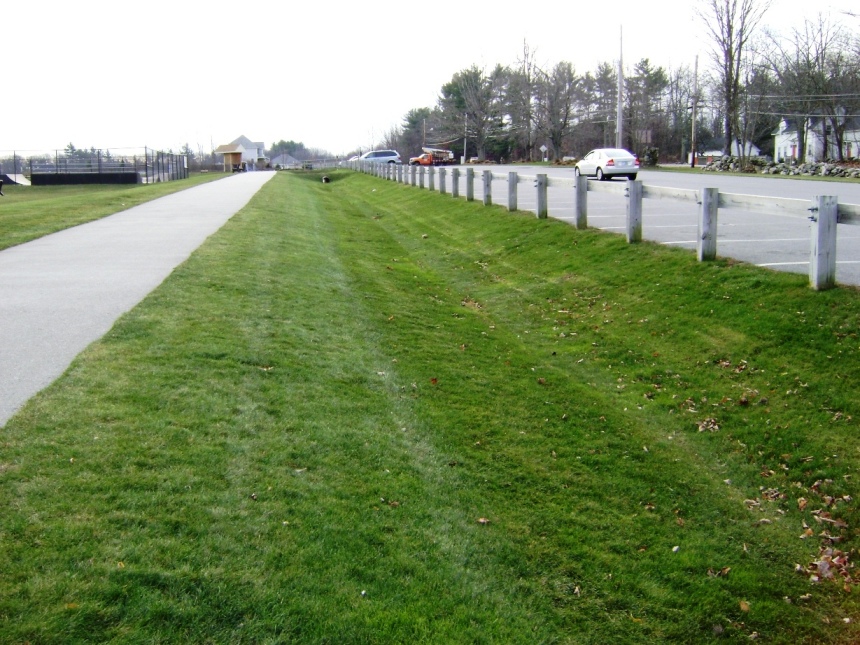
Stormwater runoff can carry pollution into nearby water bodies. Government bodies may require building and construction operators to slow down and treat stormwater pollution loads coming from their properties. So what’s one way people can accomplish this without using a complicated system? Well, we know that vegetation naturally slows down water and absorbs pollutants while providing infiltration potential. We also know that directing water through a channel allows people to manage the direction of flow. So what if we were to create landscaped vegetation channels that can slow down water, allowing for sediments to settle, infiltration to occur, and pollutants/nutrients to get trapped? Well, this is the basis for Water Quality Swales. Water quality swale slopes are typically at a gentle 3 feet horizontal by 1 foot vertical slope to avoid quick channel flow and maximize surface area for filtration. Land-use managers should install water quality swales before impervious surfaces to enable proper infiltration.

Image credit: https://megamanual.geosyntec.com/

Hyperion Sewage Treatment Plant

Hyperion Sewage Treatment Plant

Hyperion Sewage Treatment Plant

11/10/25

“What is the largest sewage treatment plant in the western US, and what makes it special?”

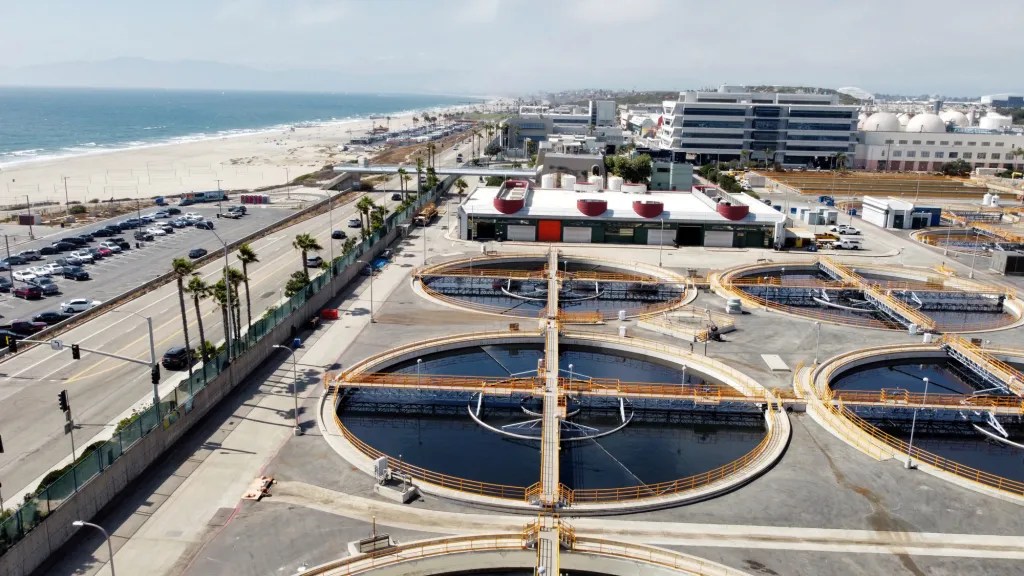
The US has thousands of sewage treatment plants. The largest one west of the Mississippi, the Hyperion Sewage Treatment Plant, has many interesting properties. Located in the Los Angeles suburb of El Segundo, the Hyperion sewage treatment plant can treat nearly a half a billion gallons per day and recycles nearly 30 percent of its treated water for non-potable uses. The City of Los Angeles is working to make the Hyperion plant recycle 100 percent of its wastewater for beneficial reuse by 2035, including 174 million gallons per day of purified recycled water. These measures will help Los Angeles thrive in the drought-afflicted climate paradigm of the near future. The Hyperion sewage treatment plant is looking to add membrane bioreactor, reverse osmosis, and UV light disinfection capabilities to its processes.

Image credit: https://www.waterandwastewater.com/

No Net Increase

No Net Increase

No Net Increase

11/08/25

“How do we ensure new developments don’t increase the amount of hazardous substances in a body of water?”

People generally don’t want a water body to become more polluted, especially if it already has many hazards. Consequently, environmental regulators work to prevent more toxins from entering sewer systems using No Net Increase rules. No net increase regulations state that any development must not increase the amount of pollutants entering the water body of release. Infrastructure and construction operators must undertake best management practices to satisfy no net increase rules. One approach is to remove as much pollution as you discharge.

Stormwater Retention vs Detention

Stormwater Retention vs Detention

Stormwater Retention vs Detention

11/07/25

“What is the difference between stormwater detention and retention?”

Many modern stormwater guides recommend that infrastructure operators and property owners use retention and detention to control runoff. Even though these two actions rhyme, they have very different functions. Stormwater retention permanently holds stormwater, typically through plants, while stormwater detention temporarily stores runoff with physical mechanisms. This is the difference between Stormwater Retention vs Detention. Runoff is typically preferred by infrastructure regulators since it keeps stormwater from flooding areas later.

Embankments

Embankments

Embankments

11/06/25

“What’s the structure that holds canals in place?”

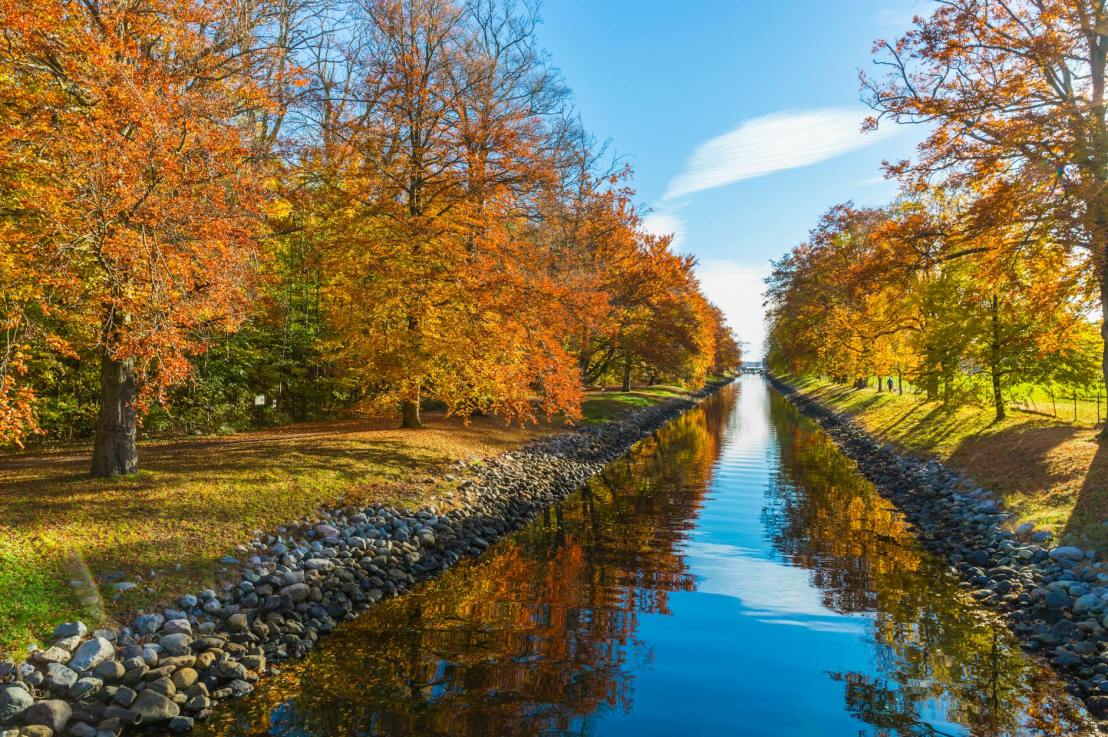
Canals are the lifeblood of societies all over the world. These waterways provide passageway for cargo while controlling water levels. But what structure keeps canals in place? Well, elevated trapezoidal structures parallel to the canals called Embankments constrain the movement of water outwards. Protecting embankments is core to keeping communities safe all over the world.