Category: Ecology

Coastal Plain Estuaries

Coastal Plain Estuaries

Coastal Plain Estuaries

10/30/24

“How are coastal plain estuaries formed?”

Coastal river valleys connect rivers to the ocean. These valleys become submerged and become Coastal Plain Estuaries when the sea level rises. These estuaries are typically wedge-shaped with a narrow inlet to the ocean.

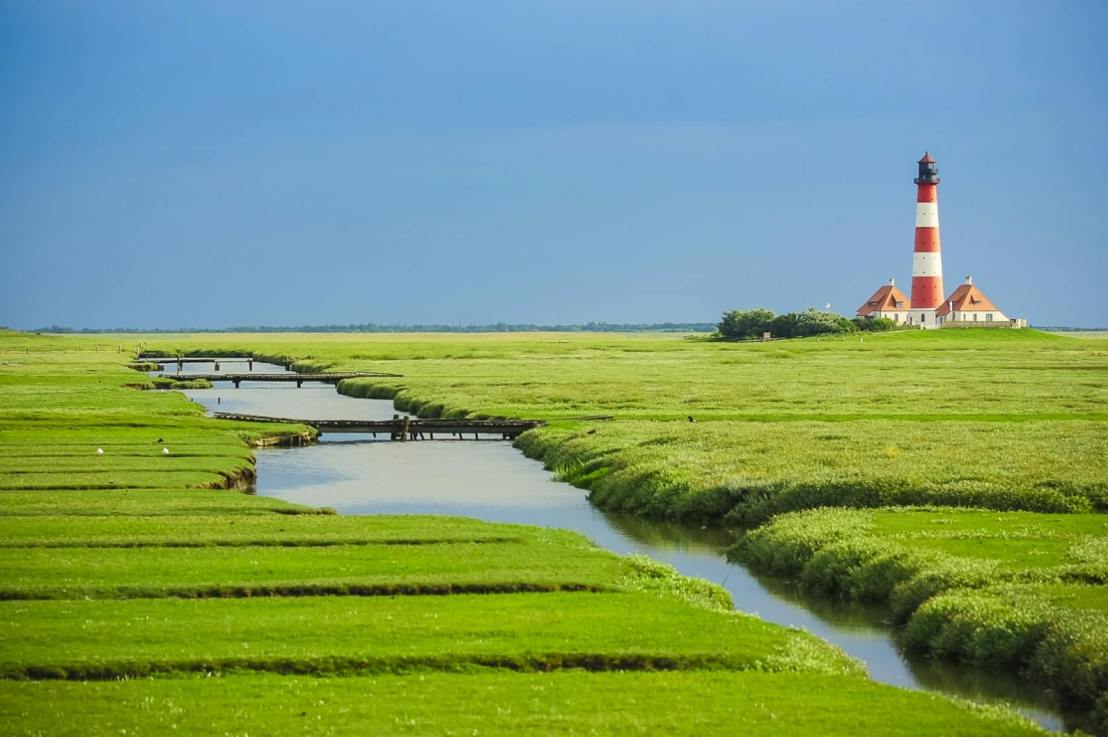
Estuaries

Estuaries

Estuaries

10/29/24

“What are Estuaries?”

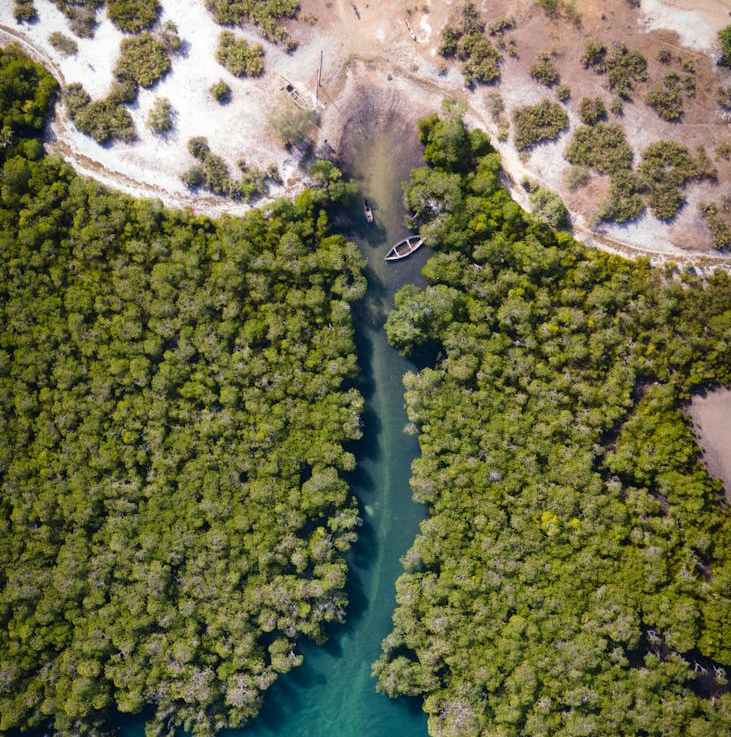
Water shapes land masses in all types of ways. Sometimes a partially enclosed body of water by the ocean mixes salt water with freshwater from rivers and streams. This forms something called an Estuary, which are some of the most peculiar spaces of brackish water.

How to Daylight a Stream

How to Daylight a Stream

How to Daylight a Stream

10/28/24

“How do we restore a buried stream?”

People bury streams for a variety of reasons. This can cause flooding issues and habitat destruction. Later, people may want to restore the stream. Restoring, or daylighting a stream can be accomplished by removing artificial impediments like pavements and culverts, recreating the former ecosystem, and applying maintenance techniques. This is How to Daylight a Stream.

Ecosystem Improvement Compensation

Ecosystem Improvement Compensation

Ecosystem Improvement Compensation

10/27/24

“How can we compensate people for improving ecosystems?”

Ecosystem services monetarily quantify the value an ecosystem provides. If someone improves an ecosystem, then under this framework they theoretically raise the ecosystem value. Some governments may want to implement Ecosystem Improvement Compensation by paying people who make ecosystems better. 

Why Cities Bury Streams

Why Cities Bury Streams

Why Cities Bury Streams

10/24/24

“Why do cities bury streams?”

Cities often develop by streams. But sometimes they see these streams as a nuisance since they flood and block “developable” space. This is Why Cities Bury Streams.

Lowland Rivers

Lowland Rivers

Lowland Rivers

10/16/24

“What are the characteristics of rivers in lowlands?”

A river’s natural environment affects its properties. Rivers in lowlands, termed Lowland Rivers are slower because they go through a smaller gravitational potential difference. They also contain more sediment than upland rivers which makes them contain less oxygen and appear more opaque.

Upland Rivers

Upland Rivers

Upland Rivers

10/15/24

“What are the rivers that originate in mountainous environments?”

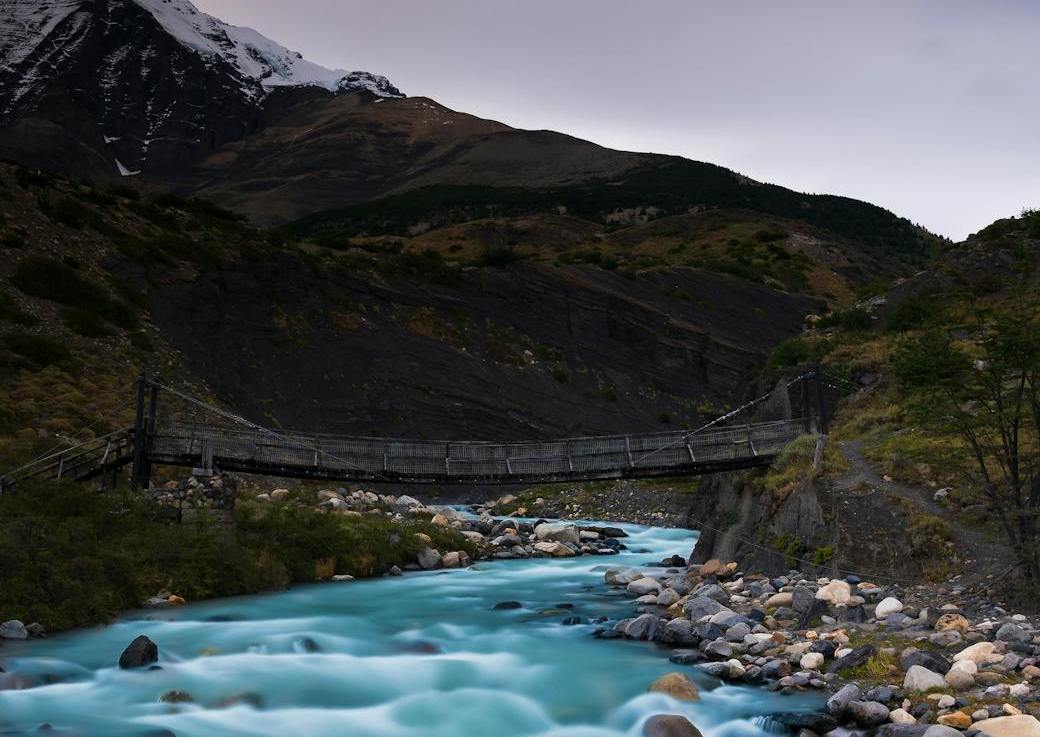
Rivers are found almost everywhere on Earth. Rivers that start in mountainous environments are labeled Upland Rivers. These rivers are typically fast-moving due to their steep drop in elevation. Upland rivers are typically clear and have copious amounts of oxygen. 

Phylogenetic Trees

Phylogenetic Trees

Phylogenetic Trees

10/12/24

“How can we represent evolutionary history on a tree diagram?”

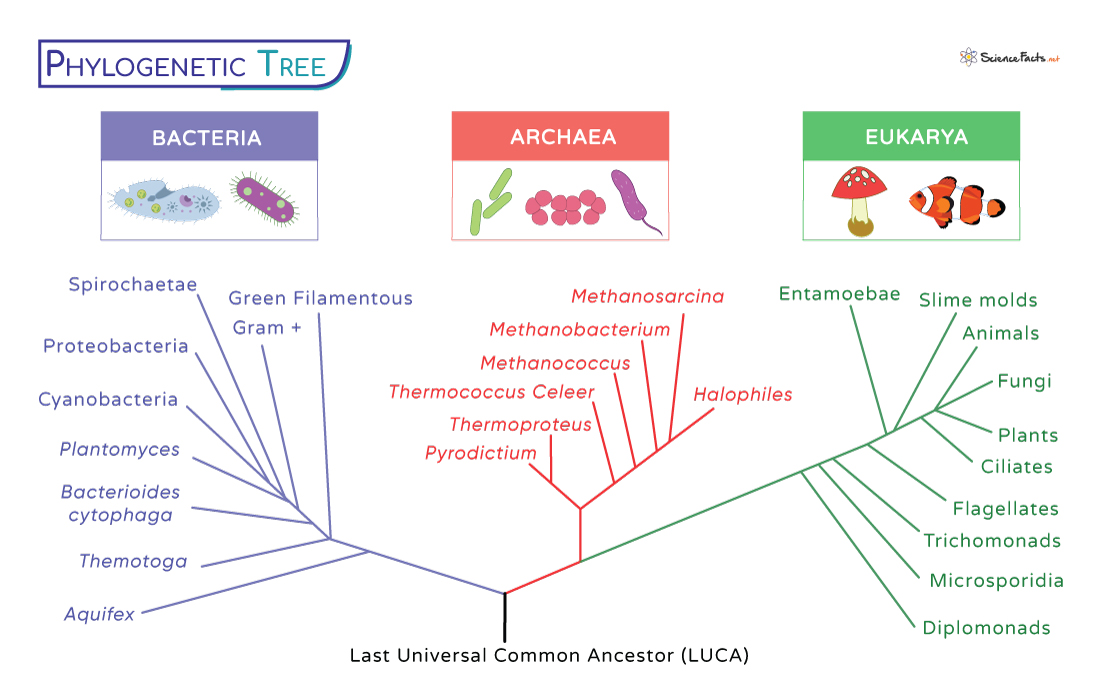
Phylogenetics studies how organisms evolve with time. But how can we visualize how organisms evolve from one another? Well, what if we were to visualize all organism’s genetic history as starting out from a root (the first single-celled organism) and then evolving outwards in a tree-like structure? This is the idea behind Phylogenetic Trees and it’s one of the most standard ways to display an organism’s evolutionary history.

Phylogenetics

Phylogenetics

Phylogenetics

10/10/24

“How can we use genetics to study the evolutionary history of life?”

Genetics can tell us a lot about an organism. One of the things it can do is tell us about the evolutionary history of life and how organisms became the way they are. This field of science is called Phylogenetics.