Why New Adaptation Initiatives May Want to Implement Easier Projects Earlier
12/27/22
“Why may new adaptation initiatives consider implementing easier projects earlier?”
New climate adaptation initiatives may have to learn quickly and show their effectiveness early. One potential avenue to accomplish this is to concentrate on implementing easier projects earlier. Not only will this show stakeholders visible progress, but also enable more rapid learning that will lead to more success with long-term projects. This is Why New Adaptation Initiatives May Want to Implement Easier Projects Earlier.
“What exactly are leading practices in climate adaptation?”
“Best Practices” is a term often applied to standard-bearing methodologies in a field. However more nascent and rapid-growing fields such as climate adaptation do not have the maturity to label a certain practice as “best” A technique that is popular today may become obsolete in a couple of years. For this reason, the Water Utility Climate Alliance (WUCA) has adopted the term Leading Practices in Climate Adaptation. Leading Practices are practices that are currently popular, but (like everything in the field) may be subject to change.
“What are the definitive national reports released by the U.S. government to understand climate change in its environment?”
The U.S Global Change Research Act of 1990was a landmark piece of legislation for the United States. One of its provisions declared that the U.S. Global Change Research Program was required to release a report every four years on the U.S.’s capabilities to anticipate, mitigate, and adapt to changes in the global environment. Coming in the form of The U.S. National Climate Assessment, these reports are designed to be an authoritative assessment of the science of climate change but do not include policy recommendations.
“What is the federal U.S. program to coordinate federal understanding and action on climate impacts?”
Multiple U.S. federal agencies invest in tackling climate change. However, coordinating them can be a strong issue. To solve this, The U.S. Global Change Research Act of 1990 laid the foundation for The U.S. Global Change Research Program. This program coordinates federal research and involvement to comprehend what systems (both natural and unnatural) are shaping the planet.
The U.S. Committee on Earth and Environmental Sciences
12/22/22
“What federal committee integrates responses to climate change amongst U.S agencies?”
The U.S. Global Change Research Act of 1990 launched federal action on climate change. One of the primary items was the establishment of The U.S. Committee on Earth and Environmental Sciences. This committee analyzes technical problems related to climate change and provides recommendations to federal agencies on how to plan for the future. This includes identifying research needs, understanding how to effectively use scientific applications, and strengthening international technical cooperation.
“What jumpstarted the U.S.’s efforts to develop a comprehensive research program to understand climate change?”
In the last decade of the 20th century, the U.S. Congress passed a revolutionary piece of legislation. The U.S Global Change Research Act of 1990 set forth multiple requirements, specifically:
Establishing the Committee on Earth and Environmental Sciences to carry out global change research.
Codifying the U.S. Global Change Research Program to create (in its own language) “a comprehensive and integrated United States research program which will assist the Nation and the world to understand, assess, predict, and respond to human-induced and natural processes of global change.”
Evaluating the scientific content of the plan with the National Research Council and providing advice on future global change research priorities.
Requiring the Council to submit a global change assessment at least every four years.
Initiate dialogue on international climate agreements.
Study the implications and consequences of growth and development in communities and assist state and local planning authorities with managing said growth while preserving “community character”.
Why Water Utilities Need to Prioritize Vulnerable Communities for Post-Disaster Service Restoration
12/20/22
“Why do water utilities need to prioritize vulnerable communities for post-disaster service restoration?”
Vulnerable communities are the ones who need water service the most. Whether it be because of being unable to stockpile water, higher local temperatures because of the urban heat island effect, or having to treat diseases, water service is vital. Logically, water utilities should restore service to these communities soon after disaster strikes. This is Why Water Utilities Need to Prioritize Vulnerable Communities for Post-Disaster Service Restoration.
“What is the current working group leading federal adaptation synergy in the U.S.?”
On December 8th, 2021, U.S. President Biden signed Executive Order 14057 to catalyze environmental initiatives by the Federal Government. One of the products of this order includes the launch of The U.S. Federal Adaptation and Resilience Group. This working group draws knowledge and expertise from the various U.S. federal agencies to address climate adaptation. Their current (as of writing) activities include discussing climate data for adaptation measures, modeling economic responses for adaptation, natural resource management, and fostering engagement between federal agencies.
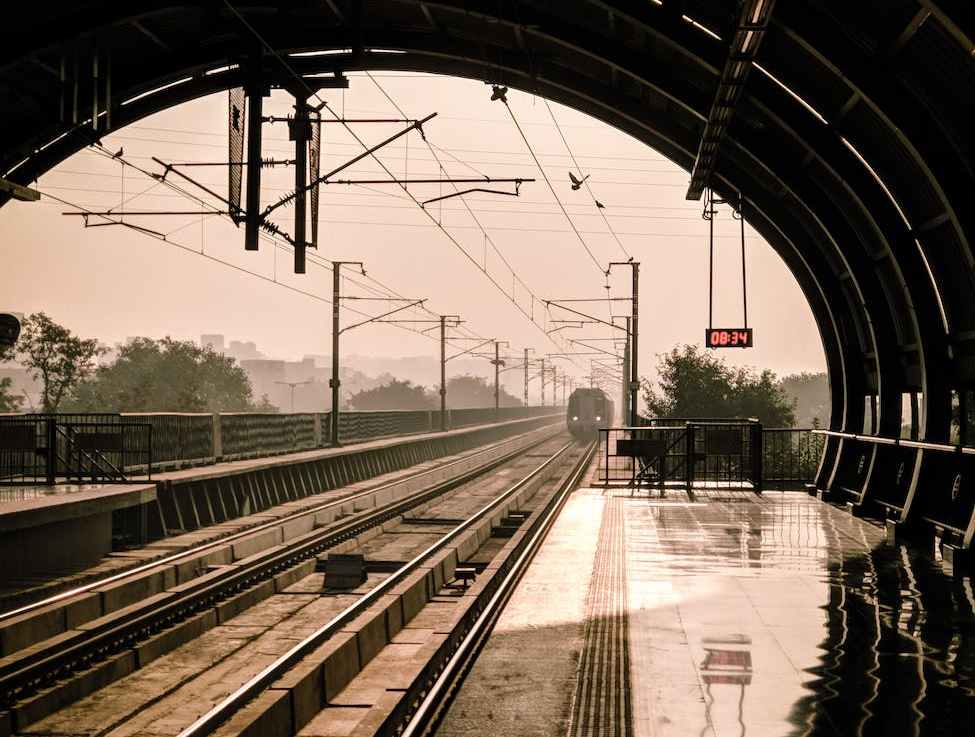
Why Metro Systems Can Increase Their Climate Disaster Resilience by Being Less Dependent on Rider Fees
12/18/22
“Why can metro systems increase their climate disaster resilience by being less dependent on rider fees?”
Climate disasters often force massive amounts of people to leave an urban area. This will cause metro ridership to plummet, decreasing ticket sales. While this will lead to a decrease in system revenue, if the financing model is only lightly dependent on ticket sales then its damage will be minimized. This is Why Being Metro Systems Can Increase Their Climate Disaster Resilience by Being Less Dependent on Rider Fees.




 Isaac's Science Blog