Flooding is a persistent problem for people. Whether it damages crops or submerges entire neighborhoods, society must consider how it handles excess water. So what if we were to build a canal that can store excess water and move it away from the site? Well, this is the thinking behind Drainage Canals, also known as ditches. The Netherlands employs drainage canals as an essential part of its flood management system.
Why Marketing Living With Water Policies Can Help With Their Adoption
10/24/23
“Why can marketing living with water policies help with their adoption?”
Living with water policies emphasizes accepting that certain areas will flood during storms instead of trying to control everything. While it might seem nerve-wracking at first, properly designed systems are some of the safest options possible. Marketing this to people will help break down the fear surrounding it. This is Why Marketing Living With Water Policies Can Help With Their Adoption. An example of this can be found with Plan Ooievaar (Plan Stork) in the Netherlands.
Why Learning Economics is a Great Asset for Climate Justice Work
10/22/23
“Why is learning economics a great asset for climate justice work?”
Economics is the academic field concerned with how a society organizes its money, trade, and industry. In environmental justice scenarios, economic theory can explain how specific communities are marginalized and how they can advance. Learning the tools of economics will help environmental justice practitioners move ahead. This is Why Learning Economics is a Great Asset for Climate Justice Work.
Why Rainstorms Can Decrease Street Economic Activity
10/21/23
“Why can rainstorms decrease street economic activity?”
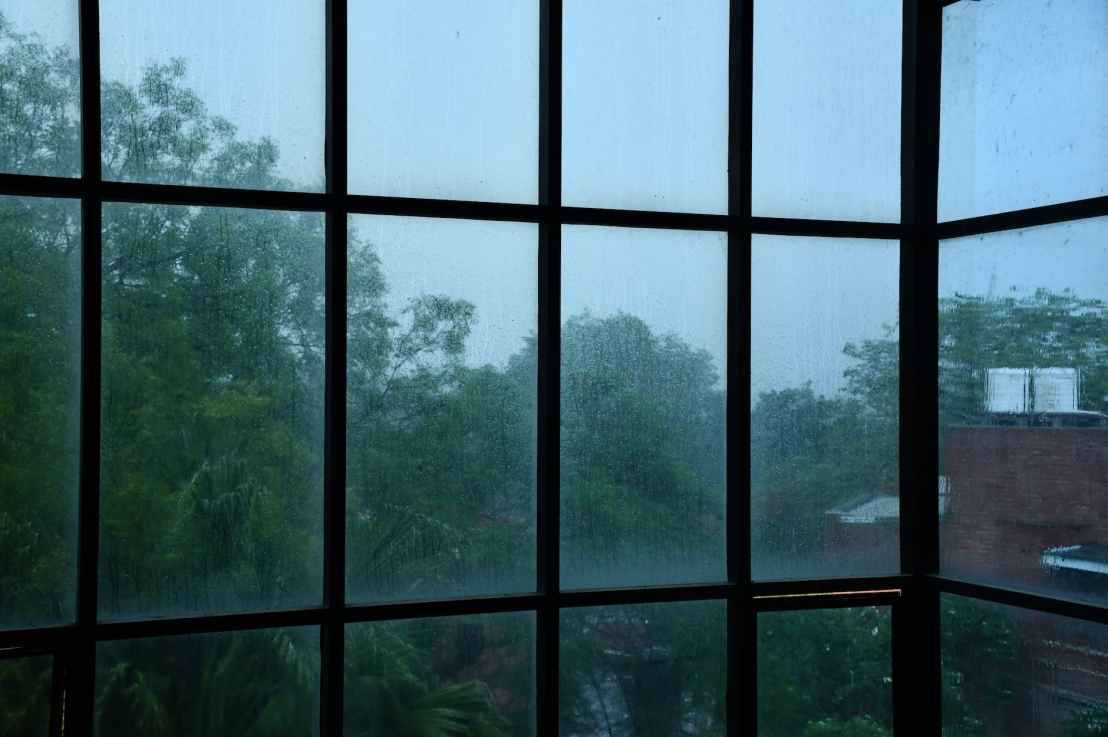
In countries all over the world, streets are vibrant hubs of economic activity. However, when rainstorms happen, people head inside to stay dry. This causes economic activity to fall as people don’t purchase items. This is Why Rainstorms Can Decrease Street Economic Activity.
Why Understanding Negative Economic Externalities is Critical for Environmental Justice
10/20/23
“Why is understanding negative economic externalities critical for environmental justice?”
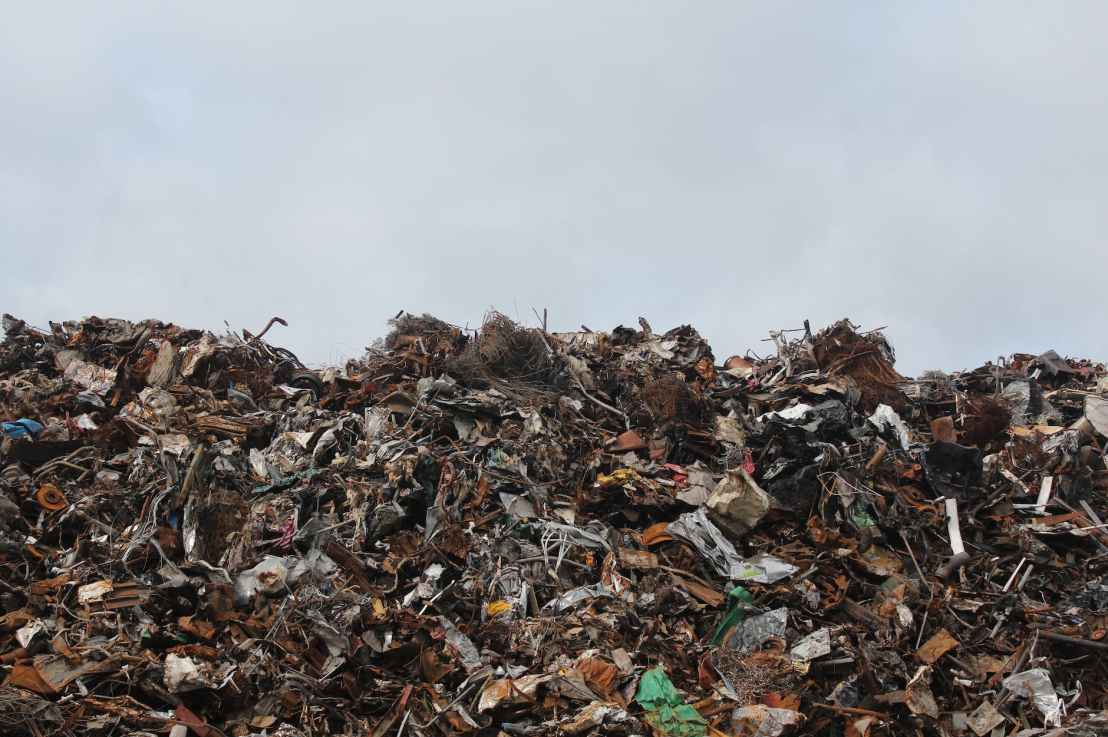
Negative economic externalities are when one party’s economic actions cause disturbances for another party. This can range from pollution generated by a factory to waste created by discarding plastics. Marginalized communities are usually on the receiving end of these negative economic externalities, particularly on the environmental front. Fighting this evil requires us to know its root. This is Why Understanding Negative Economic Externalities is Critical for Environmental Justice.
Why Censoring Protests for Justice is Bad for Climate Action
10/14/23
“Why is censoring protests for justice bad for climate action?”
Protests for justice allow for people to understand how oppression is facing a group and act on it. Authoritarian governments like to stamp these out. These tactics can then be used to stomp on climate action protests. This is Why Censoring Protests for Justice is Bad for Climate Action.
“How can we establish climate sister city conferences?”
Climate sister cities and making ties between them will become increasingly important as global temperatures continue to climb. One way to facilitate their connection is to establish Climate Sister City Conferences. Climate sister city conferences will invite cities from all over the world to learn about each other, discuss topics at hand, and build partnerships.
“Why does reducing racial tension improve climate adaptation capacity?”
Racial tension makes community cohesion more difficult and allows for extractive practices to proliferate. This makes places less ready to adapt to the climate crisis. By reducing racial tension, this issue can be solved. This is Why Reducing Racial Tension Improves Climate Adaptation Capacity.
Why Knowing Watershed Boundaries is Critical to Planning Flood Evacuations
10/06/23
“Why is knowing watershed boundaries critical to planning flood evacuations?”
Watershed boundaries determine where water will flow in a certain geography. This information is critical during floods since water will gather in the specified directions. Emergency planners can create escape routes based on avoiding water inundation. This is Why Knowing Watershed Boundaries is Critical to Planning Flood Evacuations.







 Isaac's Science Blog