“What is it called when two rivers merge into one larger river?”
Rivers are mighty streams of water. Civilizations have risen and fallen in their proximity. When two rivers meet, they can form into a larger river. The geographic point is called a River Confluence and can be found worldwide, from the Tigris and Euphrates in Southern Iraq to the Amazon river in Brazil.
“What is it called when a smaller river feeds into a larger one?”
Rivers come in all shapes and sizes. Some are large, some are small. However, they all feed into a larger body of water. While main rivers might drain into an ocean, smaller rivers may feed into a larger river. These are called River Tributaries, and are found throughout the world, from the Nile to the Amazon.
Rivers drain into other bodies of water such as lakes or oceans. The areas that rivers ultimately drain into are called River Drainage Basins and are important part of geographic analysis.
Why Green Park Space Around a River Can Act as a Natural Flood Barrier
01/22/24
“Why does green park space around a river act as a natural flood barrier?”
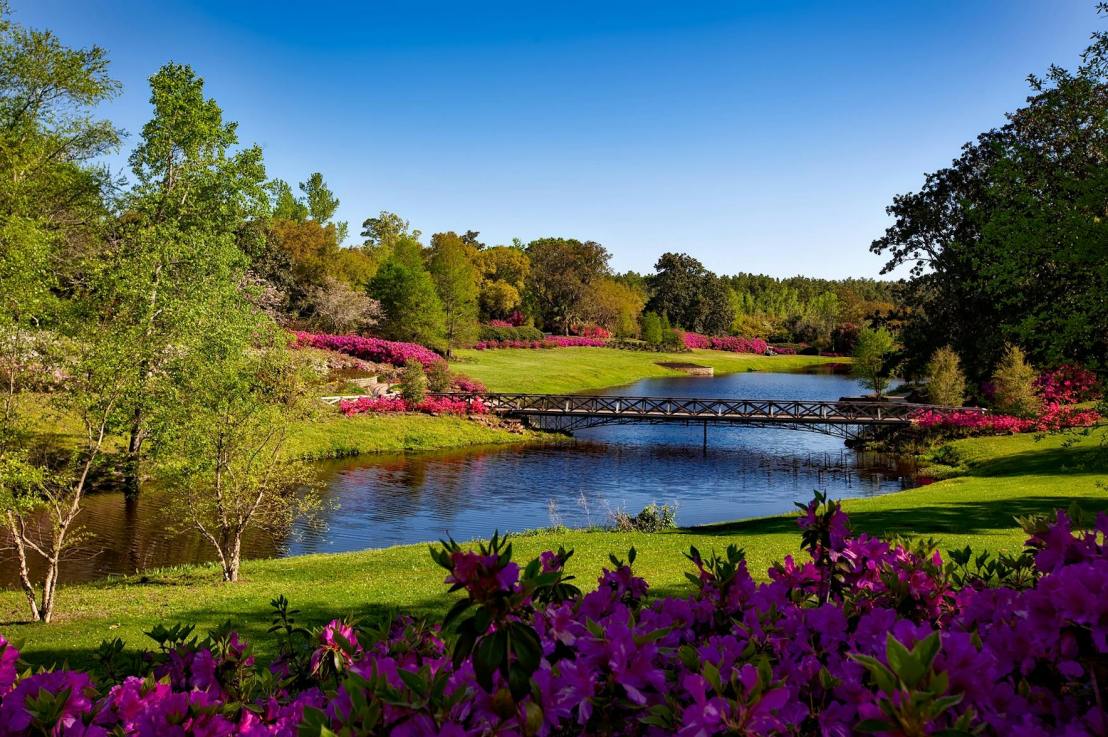
Green park spaces are wonderful spots to gather. There’s always something to do whether for children playing or a couple walking. But if we place this by a river, then the greenery will be able to absorb flood waters. This is Why Green Park Space Around a River Can Act as a Natural Flood Barrier. Landscape architects should look into how this can be applied into their own designs.
“How can we collect and store rainwater underground?”
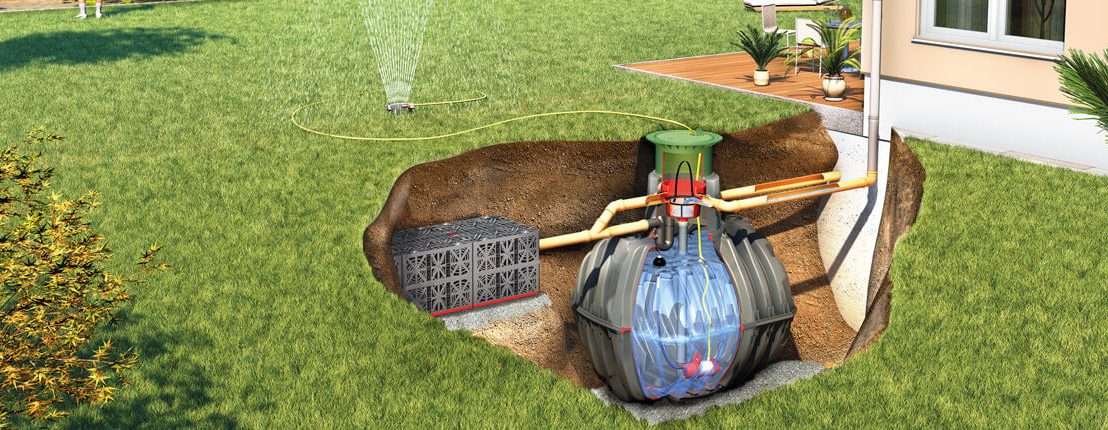
Collecting rainwater for later use can be a great way to build a more water-efficient system. However, finding a place to store it can be difficult. If you store it above ground, it can be exposed to contaminants and take up space that could be used for other applications. But what if we were to store it underground? This way we can save both water and space. Cities and municipalities should look into analyzing if Underground Rainwater Collection Systems are right for them.
Why Technology-Based Stormwater Management Practices Can Backfire
01/20/23
“Why can grey stormwater management practices backfire?”
Grey (technology-based) stormwater practices are the most common approach in the world. However, being too reliant on them can backfire. For example, levees can be breached and lead to rapid filling of nearby areas. Dykes can lead to more intense water flow further downstream. These are just some of the ways that show Why Technology-Based Stormwater Management Practices Can Backfire.
“What are polders and how are they related to land reclamation?”
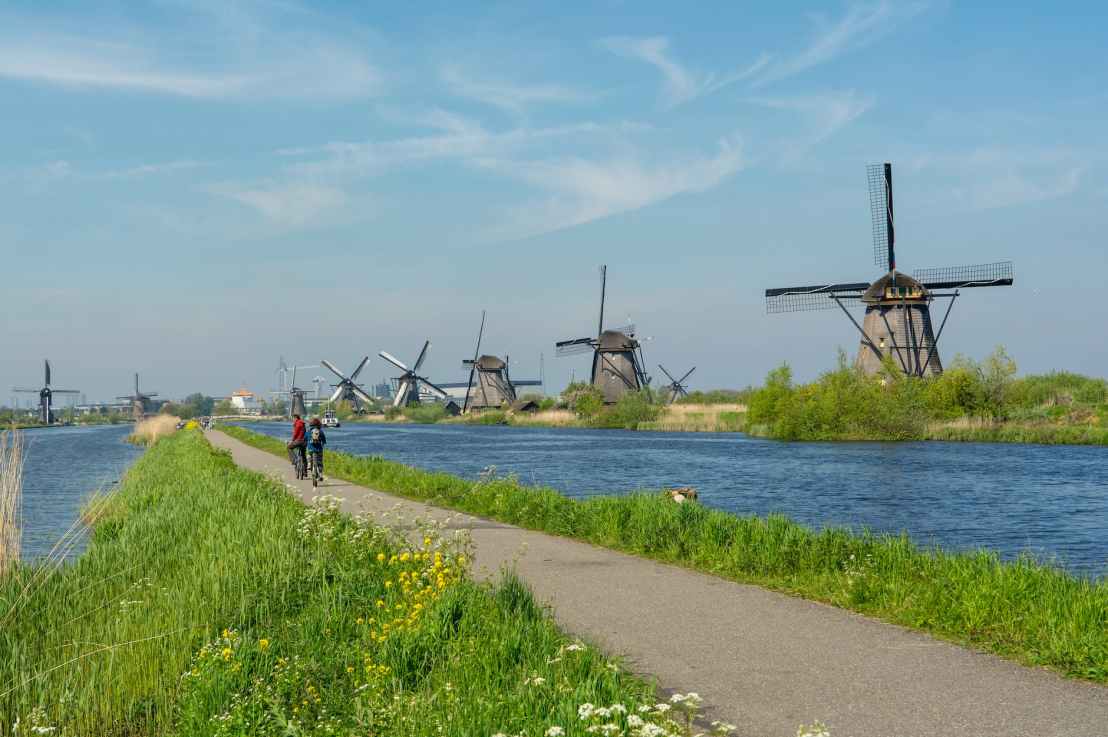
Draining areas below sea-level is a common method of land reclamation. This usually involves building a water pump and drainage system to transfer water somewhere else and a wall called a dyke to shield the new site from inundation. The areas opened up, called a polder can be used for multiple uses, whether it be farmland, urban space, or industry. Polders are very common in the Netherlands.
Cities near bodies of water often have issues of limited expansion possibilities. But what if we were to create new land from said bodies of water? This process, known as Land Reclamation, is something used around the world nowadays.
“How can we use environmental systems to work on flood mitigation?”
Stormwater management is usually accomplished by using grey infrastructure, or technological systems to channel water into places safer for humans. However, sometimes this can lead to more issues, such as water overflows when a levee is breached. But what if we were to use more nature-based solutions such as bioswales or green roofs to accomplish stormwater management? These interventions are categorized as Blue Green Infrastructure and represent a more calming way to approach flood controls.





 Isaac's Science Blog