Sediments are solid objects moved by natural processes. Sediments in water may start out suspended but then settle at the bottom of the water body because of gravity. Eventually, layers of physical material will develop, which can create soil, sedimentary rocks, and fossil preserves. This process is known as Sedimentation and can lead to drastic geological transformations.
“How do we classify solid material transported by natural processes?”
Natural processes transport all kinds of material from one place to another. Solid material moved by natural processes is called sediment and is one of the core geological functions of the planet.
Wastewater needs to be purified before it reaches groundwater supplies again. However, many water purification techniques use electricity to work. How can we accomplish this without electricity? Well, what if we were to flush wastewater into an underground tank. The heavy solid contaminants in the wastewater would sink to the bottom, and lighter ones would float to the top and form a scum layer. Over the span of one to two days, the solids should break down into scum. Now what if this tank were to have bacteria that breaks down the solid waste? When the tank fills up more, the liquid will empty into the drainfield and become absorbed by the soil. The bacteria in the soil layers will cleanse the water of contaminants, and eventually transfer it to the groundwater layer. These machines called Septic Tanks are a real thing and this is how theywork.
“What happens when a solid doesn’t dissolve when mixed in a liquid?”
Solids can be mixed into liquids. However, sometimes they don’t dissolve but are freely suspended and move around inside. Sand mixed in water is an example of this Chemical Suspension phenomenon.
“How can we remove phosphorous pollution from water?”
Phosphorous pollution can lead to algae outbreaks in water bodies, choking off life that lives there. So how can we take phosphorous pollution out of the water? Well, it turns out there are many ways to do this. Phosphorous can be removed chemically through iron and aluminum coagulants, biologically through specialized bacteria, or physically through sand filtration and membrane technologies. Phosphorous Water Pollution Remediation is a necessary step to healing tainted water.
“How can we remove nitrogen pollution from water?”
Nitrogen pollution can lead to algae outbreaks in water bodies, choking off life that lives there. So how can we take nitrogen out of the water? Well, what if we were to use a series of bacteria to convert the excess nitrogen to another form? This is how Nitrogen Water Pollution Remediation works and is an important part of keeping wastewater treatment plants operational.
“What are sources of phosphorous pollution in water?”
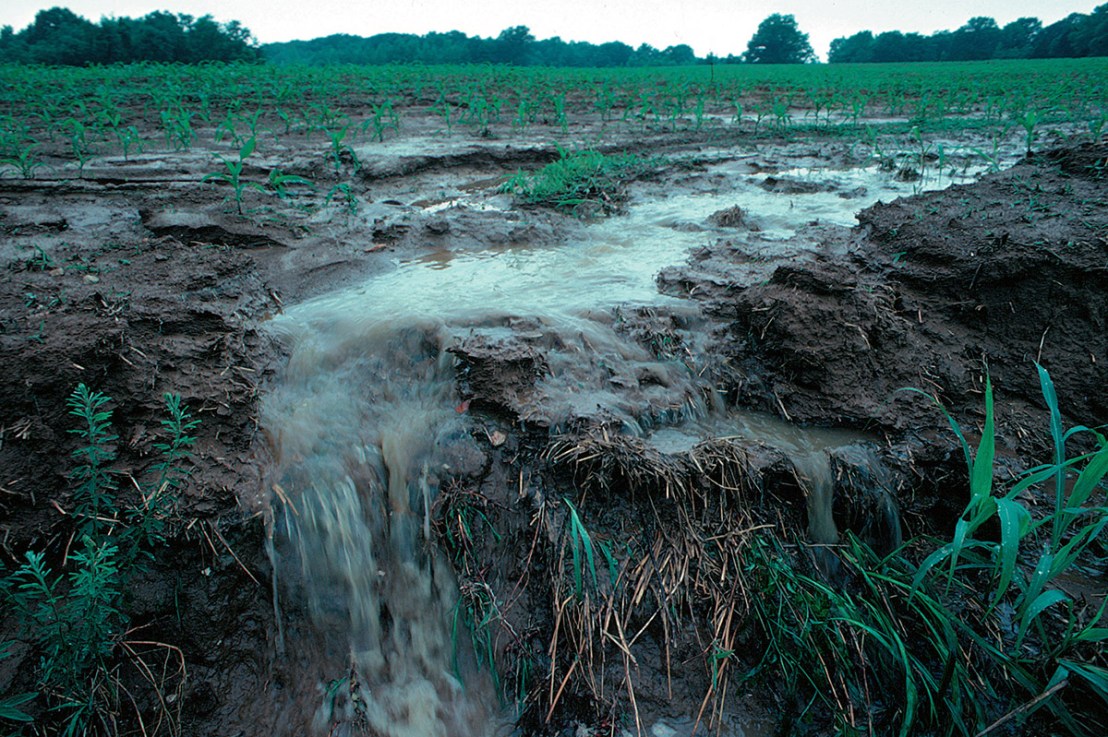
Phosphorous pollution in water can cause explosive algae growth. Sources of phosphorous pollution usually come from phosphorous-rich substances like fertilizers, plant decomposition, pet waste, geological phosphate material, and wastewater. These came seep in through storms, runoff, spills, and infiltration. These are the primary Sources of Phosphorous Water Pollution.
“How can we filter wastewater by pushing it through toxin-absorbing plants?”
Wastewater typically contains toxins that prevent it from being used directly by humans. Certain plants can purify wastewater by absorbing these toxins. So what if we were to build a trench with impermeable walls, fill it permeable material like rocks, plant these toxin-absorbing plants on top, and then mechanically run wastewater through it? Well, that’s the idea behind Subsurface Constructed Wetlands. Subsurface construction is a great way to obtain recyclable water supplies while supporting plant life and not using dangerous chemicals.
“What are sources of nitrogen pollution in water?”
Nitrogen pollution in water can cause explosive algae growth. Sources of nitrogen pollution usually come from nitrogen-rich substances like fertilizers, fossil fuels, and wastewater. These came seep in through storms, runoff, spills, and infiltration. These are the primary Sources of Nitrogen Water Pollution.





 Isaac's Science Blog
