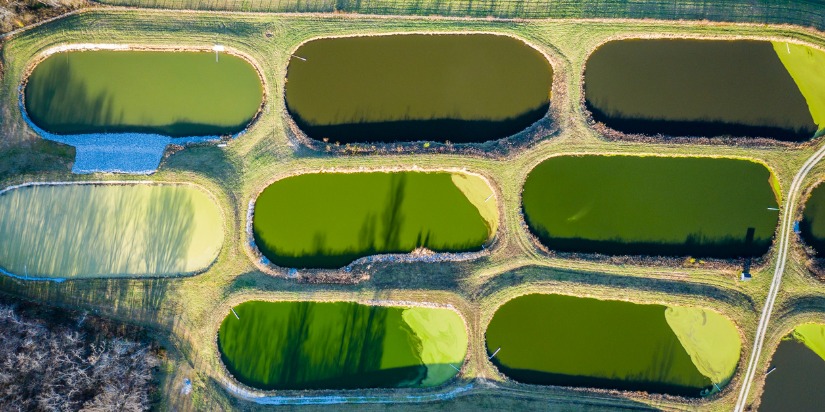
Lagoons can be found all over the world. Many contain bacteria that can feed on toxic waste. This makes it possible to use as a wastewater treatment by dumping sewage into the lagoon and letting the bacteria break down the waste. These Sewage Lagoons are typically aided by wind and sunlight.
“What are the characteristics of rivers in lowlands?”
A river’s natural environment affects its properties. Rivers in lowlands, termed Lowland Rivers are slower because they go through a smaller gravitational potential difference. They also contain more sediment than upland rivers which makes them contain less oxygen and appear more opaque.
“What are the rivers that originate in mountainous environments?”
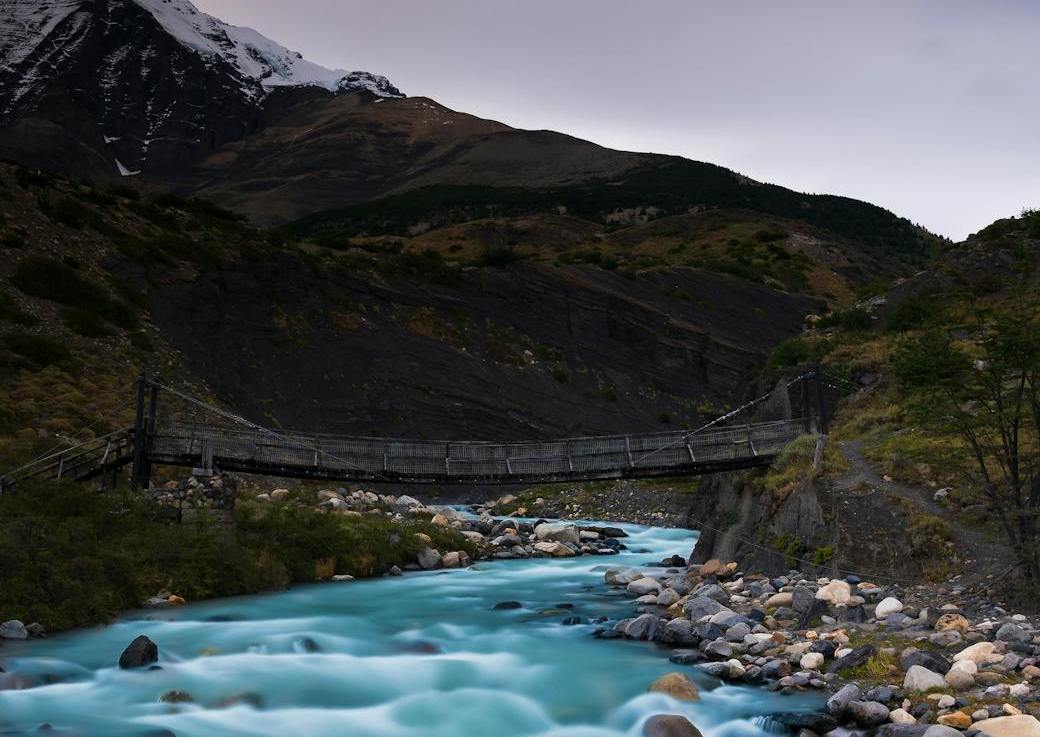
Rivers are found almost everywhere on Earth. Rivers that start in mountainous environments are labeled Upland Rivers. These rivers are typically fast-moving due to their steep drop in elevation. Upland rivers are typically clear and have copious amounts of oxygen.
Rivers are powerful streams of water. The terrain next to them is called River Banks. River banks are surrounded by two sides, a left bank, and a right bank.
“What happens when the biodiversity of an ecosystem collapses?”
Biodiversity loss is a tragedy. When enough biodiversity loss happens, it can set off a domino effect that leads to a Biodiversity Collapse where a healthy environment becomes unable to be maintained.
“What are some of the most biodiverse yet threatened ecological spots in the world?”
Species of plants and animals live all across the world. However, some places have a large nucleus of biodiversity with a plethora of endemic species. These Biodiversity Hotspots are also some of the most threatened spots on the planet. Examples of biodiversity hotpots include the Western Cape and the Caucasus Mountains.
“Are there places with low biological diversity threatened by human-induced activity?”
It’s common to focus on biodiversity hotspots for regions threatened by climate collapse. However, there are places with low biodiversity but contain a large number of endemic species. If some of these species die off, then it could lead to a rapid systems collapse. These Biodiversity Cold Spots are a vital part of the Earth’s functioning and need to be cared for. Atolls are classified as biodiversity cold spots.
Atolls are some of the most beautiful pieces of land in the world. But how exactly do they form? Well, it usually starts when an island sinks into the ocean due to volcanic or seismic activity. When this disappears, the coral reefs that surround it may continue growing, and in time will form a lagoon barrier against the ocean. This is How Atoll Lagoons Form.
“What do we call ring-shaped islands that contain lagoons?”
Islands come in all shapes and sizes. Some are ring-shaped islands that contain a lagoon in the center. These are called Atolls, and are some of the most beautiful places in the world.



 Isaac's Science Blog