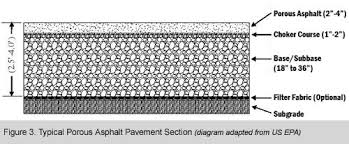
Porous pavement can hold water that enters its surface. But how exactly does it do that? Well, inside the porous pavement there is a section called a Reservoir Course. The reservoir course used air voids to hold water until it can infiltrate into soils or sub-drains away. The reservoir course can vary in size according to project needs and any applicable regulations.
“How can we keep sloped or elevated soil from falling over?”
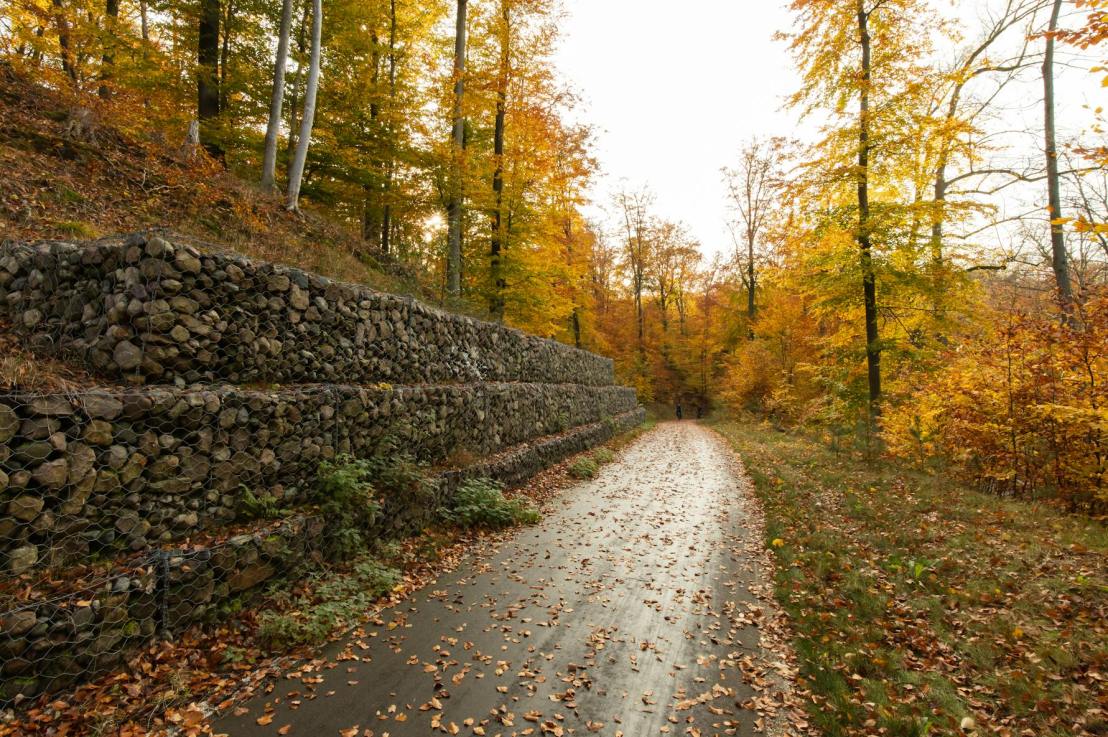
Many human-built landscapes have soil rising steeply above the ground. If left to itself, this soil would fall over with wind, water, and/or gravity. So how can we prevent this? Well, what if we were to build a wall that would keep the soil back as a dam does to water? Well, this is the idea behind Retaining Walls. People must design retaining walls to resist the lateral pressure of soil and any inclement elements.
“What happens when liquid picks up dissolved/suspended solids as it moves through a permeable layer?”
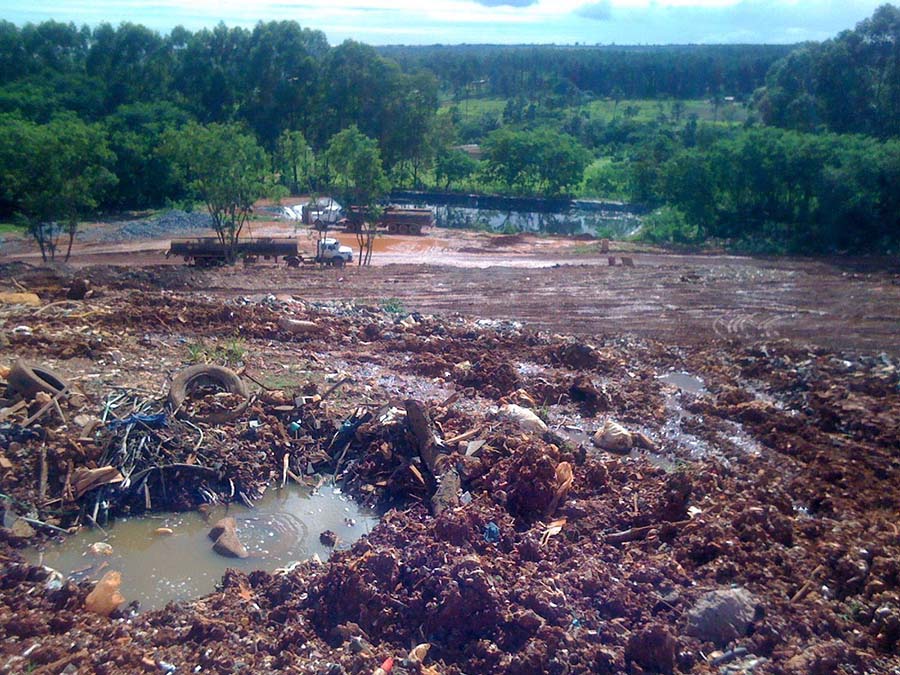
Liquids can move through permeable layers. Sometimes, the layer may have soluble or suspended solids along its journey and form what’s called a Leachate. Leachate properties are dependent on the liquid and its solvent. Leachates from stormwater landing on landfills can pollute nearby surface and groundwater.
“How can we visualize how fluid pressure changes with depth?”
Fluids increase in pressure as you get deeper. If the fluid has a non-uniform density with depth, then the pressure will increase differently at different heights. We can visualize this information with a Fluid Pressure Diagram, which graphs depth on the negative y-axis and pressure on the x-axis. Fluid pressure diagrams are a great way to find out what the force on an area of the fluid container is because you can integrate the fluid pressure diagram and multiply by surface area.
“Why is it so important to implement dust control practices during construction erosion and sediment control?”
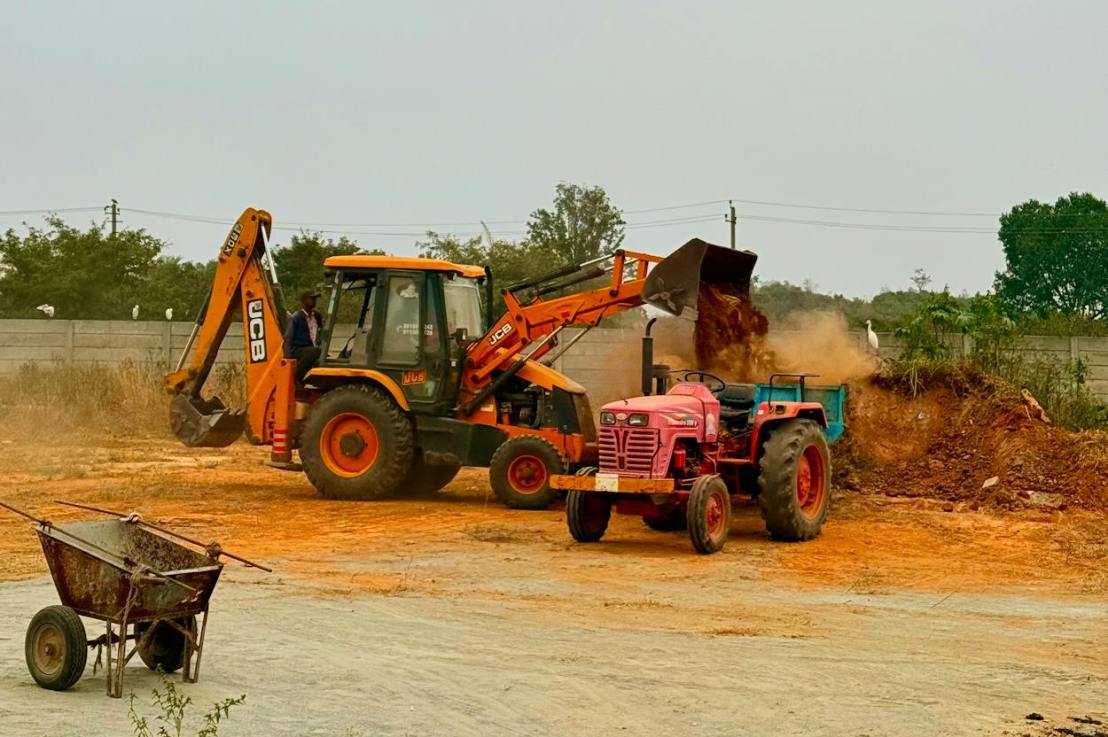
Construction operations disturb soil and unleash dust into the surrounding area. This dust can pose a major health problem for surrounding communities. Construction roads, movement access points, and other disturbed areas can create dust pollution. Construction operators can implement ESC Dust Control, such as vegetation buffer areas, soil stabilization, mulch, spray adhesives, barriers, windbreaks, and polymer additives. ESC Dust Control is an important aspect of preventing air and water pollution.
“How can we quantify the lethality of exposure to a substance?”
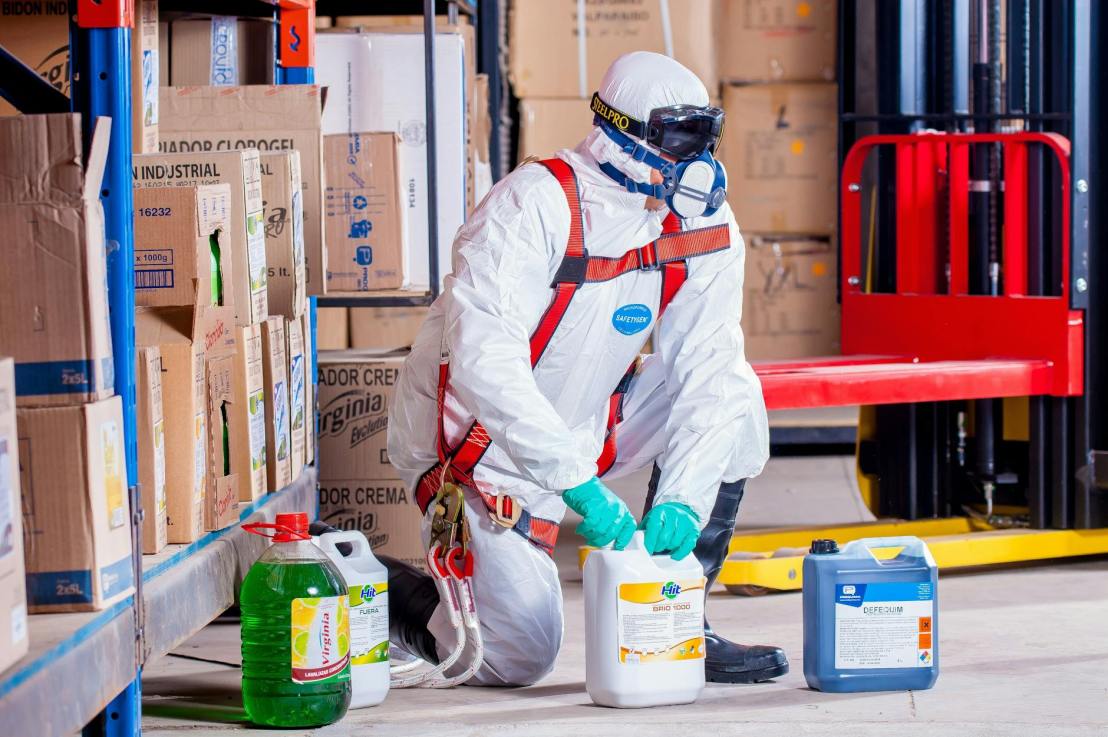
People are exposed to potentially hazardous substances all the time, whether it’s traces of air pollution or bacterial growth on food. We also know that if exposure breaches a certain level, it becomes dangerous. So how can we quantify the lethality of exposure to a substance? Well, what if we divide the exposure level by the reference dose? This is how the Hazard Quotient works, and it is a very useful tool in toxicology.
“How far does air pollution rise after release from a stack?”
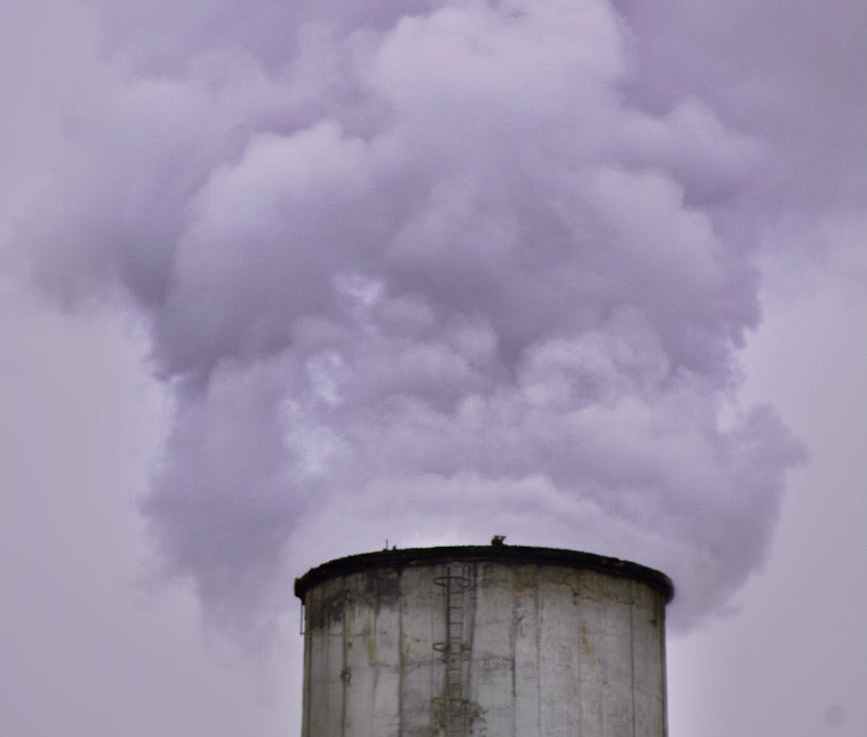
People often release waste air from a building stack. This air will rise to a certain height called the Plume Rise before moving in the direction of the wind. The higher the plume rises, the lower the amount of pollution that will fall on the ground. A higher exit temperature and faster exhaust speed lead to a larger sack height.
“How can we use water to remove harmful particles and gases from industrial air pollution?”
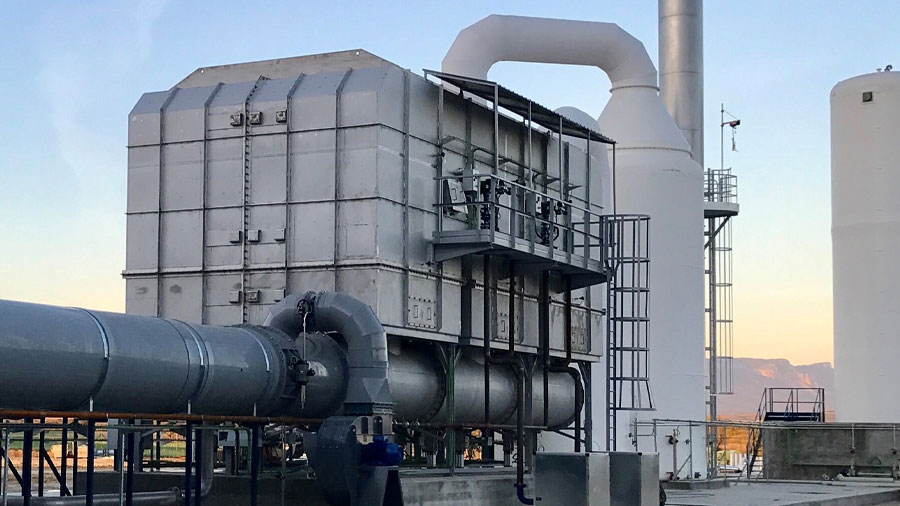
Industrial air pollution often contains toxic gases and harmful particulate matter at the same. Air pollution remediation systems typically concentrate on removing only one of these factors. Wet Scrubbers can handle both. Wet scrubbers first spray water or water-based solution droplets over the exhaust air. These droplets catch particulate matter and absorb toxic gases. Wet scrubbers usually use packing beds to maximize contact between the liquid and the exhaust air. The exhaust air will rise, cleansed of pollutants, and go through a mist eliminator to remove any remaining water droplets. People can recycle the dirtied liquid produced by these operations or treat it as wastewater. Wet scrubbers are a highly effective technology for treating industrial air pollution.
“How can we determine how to design a bag filter using one value?”
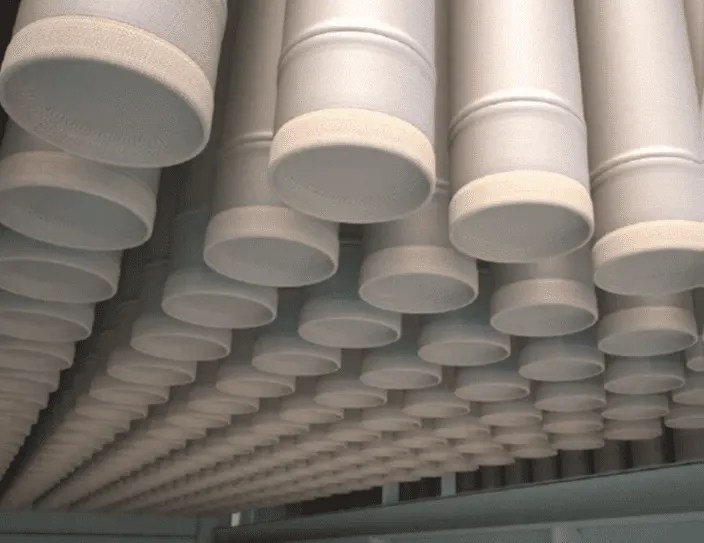
Baghouse filters are one of the most widely used industrial air pollution control technologies in the world. Their ability to stick particulate matter emissions onto bagged filters leads to their high efficiency. But how exactly do we design these machines? Well, what if we take the ratio of the volume of air moving through the cloth filters every minute vs the interior surface area of the cloth filters themselves? This value, termed the Air-to-Cloth Ratios for Baghouse Filters, determines how many volumes of air each square meter of the filters must handle. The higher the air-to-cloth ratio, the faster particles will move through the system, which increases the frequency of particulate matter clogging the filters and forcing more filter cleaning to occur.
 Isaac's Science Blog