Water comes in varying levels of clarity. One metric, Water Turbidity, measures how much cloudiness is caused by individual particles in a fluid. Increased turbidity is caused by phytoplankton growth, runoff from human activities, and runoff. Water quality tests from all over the world check for turbidity.
Why People Don’t Like Drinking Iron-Contaminated Water
03/29/25
“Why don’t people like drinking iron-contaminated water?”
Drinking water contaminated with higher iron levels does not present a health risk. Instead, it causes a metallic taste, poor smell, a rust color in the water and on surfaces it comes in contact with, and small sedimentation in drinking water containers. This is Why People Don’t Like Drinking Iron-Contaminated Water.
“What are the health effects of manganese in drinking water?”
Manganese in drinking water can come from a wide range of sources, whether its local industry or naturally occurring minerals. But no matter the case, having too much manganese in drinking water can lead to cognitive and motor skills problems. These are The Health Effects of Manganese in Drinking Water.
It’s common to hear about the dangers of culverting rivers and the need to daylight these bodies of water. But why were rivers culverted in the first place? Well, the thinking was that open rivers are difficult to control, flood during storms, and prevent construction from taking place. Channeling rivers into a culvert allowed flood control and development to occur. This is Why Rivers Were Channeled Into Culverts.
Humans cultivate landscapes through all sorts of methods, whether it’s by building physical infrastructure or cultivating specific plant species. But sometimes, we may want to return landscapes to nature. This Rewilding Landscapes process can happen in a number of different ways, from dechanellizing rivers to reintroducing native tree species. Rewilding is a fantastic way to build climate resilience and biodiversity in a region.
“How can we treat water for a city in a centralized location?”
Water has to be treated before it reaches a city. Dense urban areas often use Centralized Water Treatment. This involves coagulation, flocculation, sedimentation, filtration, and disinfection.
Aquifers can be found everywhere on the globe. Aquifers resting between confining beds are called Confined Aquifers. Confined aquifers are under pressure from all sides, so when a hole is breached in the top layer the water will shoot out. Confined aquifers are what power artesian wells.
“How can we use substances to remove colloids from water?”
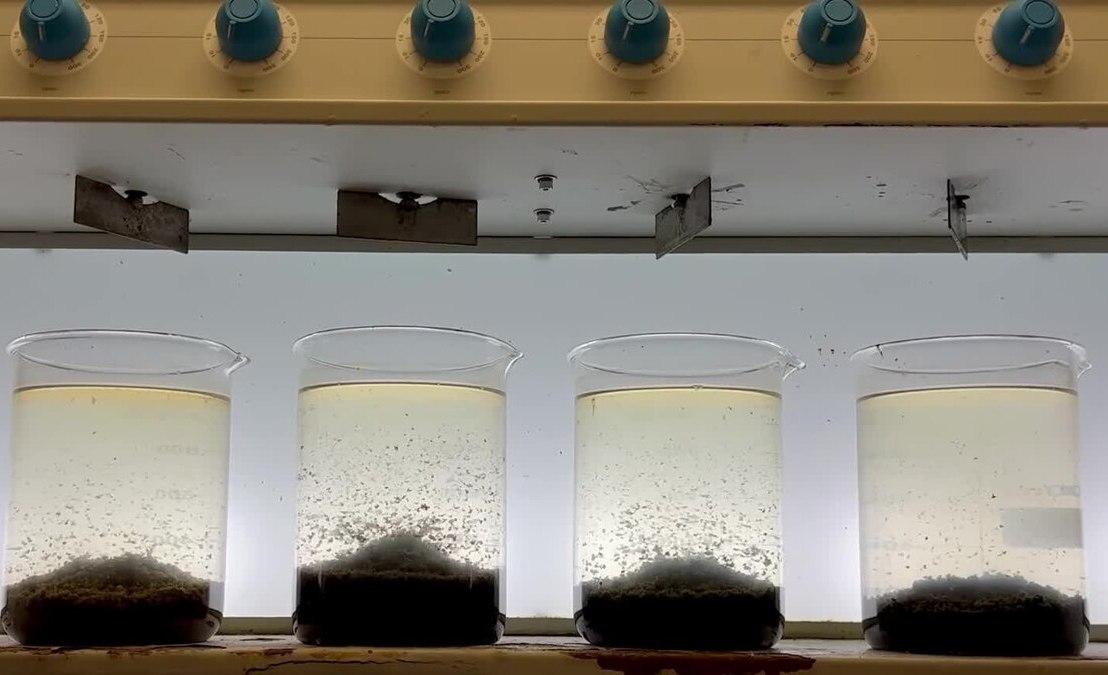
Colloids are incredibly difficult to remove from water due to their small size and electrostatic charges. However, we can remove them by adding a charged substance to water to remove the negative charge of the colloids, pulling them away from the water, and then adding other substances to bind the colloids together that can be later settled out. This Flocculation is vital for many forms of water filtration.
“What happens when a confining bed does not cover an aquifer?”
Aquifers are found all over the world. Aquifers that are not covered with a confining bed are labeled Unconfined Aquifers. Unconfined aquifers are more susceptible to pollutants and can vary greatly depending on weather conditions.





 Isaac's Science Blog
