“What is energy that can no longer do useful work?”
When energy is used, sometimes it can no longer do useful work without a renewed energy supply. This energy is termed Anergy. One common form of anergy is waste heat. According to the second law of thermodynamics, the amount of anergy in the universe always increases with physical processes.
“What branch of engineering covers the use of earth materials?”
Humans modify the earth around us for a variety of reasons, whether it’s for building coastal defenses, drilling for ground-source heat pumps, or installing piping in the ground. People have gathered so much knowledge in this field that we’ve dedicated an entire course of study to it – Geotechnical Engineering. Geotechnical engineers apply their knowledge of soild and rock mechanics to solve technical problems.
At any given time, some buildings in a neighborhood might need heating while others need to release heat. Moving heat from the latter to the former would increase system efficiency while meeting thermal comfort. Thermal Energy Networks use underground pipes to create a common heat-sharing system. Buildings and thermal resources can tap into this network to “trade” heat across each other.
How People Can Use Geospatial Resources to Identify Optimal Well Development Sites
04/19/25
“How can people use geospatial resources to identify optimal well development sites?”
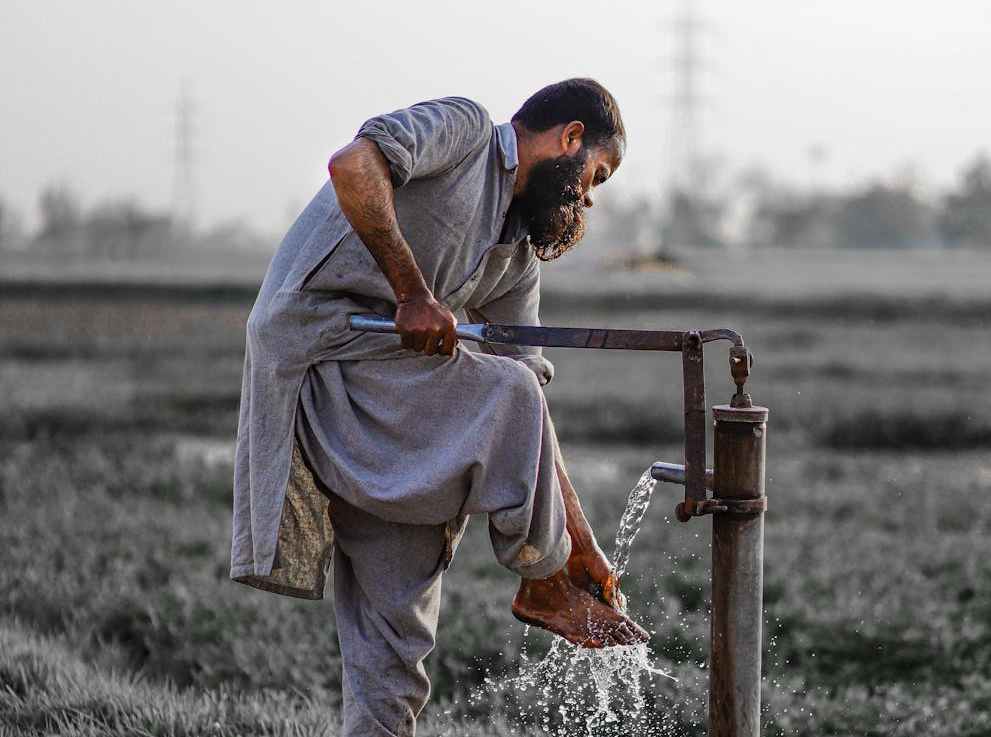
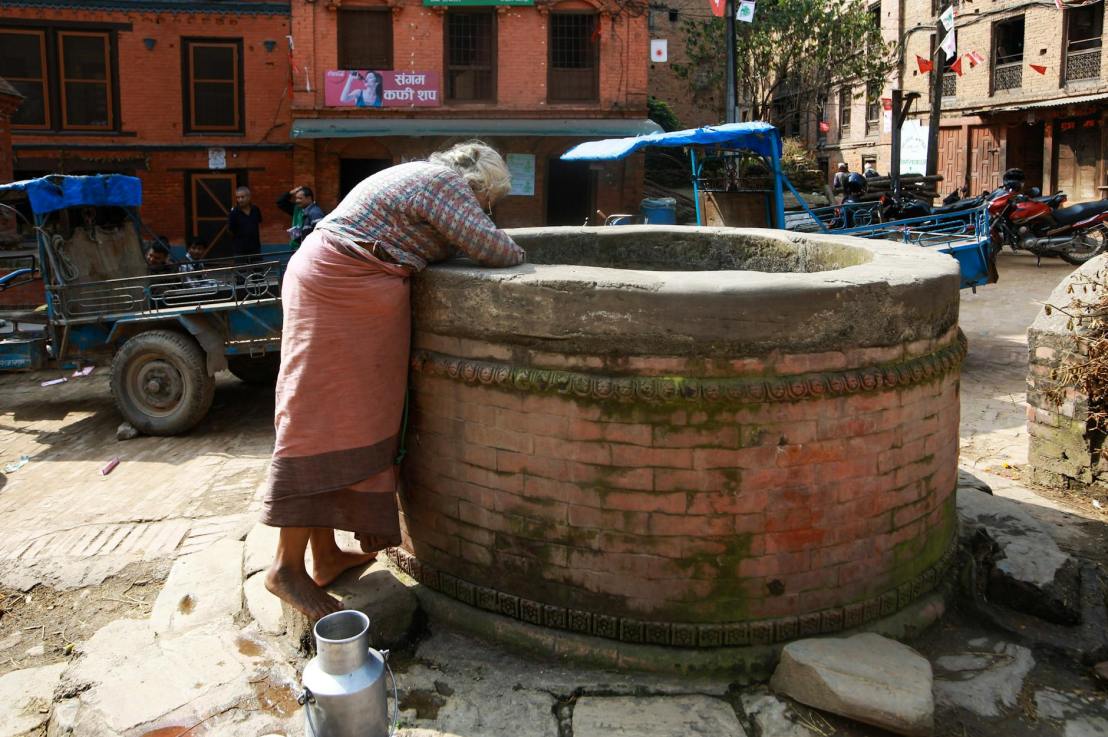
Water managers must conduct physical on-site tests to assess the suitability of a location for well construction. Geospatial resources can help identify regions likely to contain high-quality aquifers for groundwater extraction. This process involves applying boundary conditions—constraints that define where viable solutions exist—based on multiple criteria to determine optimal locations. This is How People Can Use Geospatial Resources to Identify Optimal Well Development Sites.
“Why do constructed wetlands have lower operating costs?”
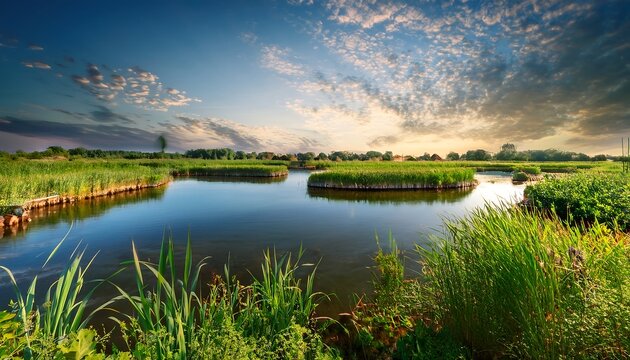
Constructed wetlands provide water treatment through passive mechanisms without relying on complex machinery and operations. These factors make constructed wetlands more affordable to build and maintain than their mechanical equivalents. This is Why Constructed Wetlands Have Low Operating Costs.
“What is the point before aquifer discharge becomes unsafe?”
People extract water from aquifers. Taking too much water from aquifers can lead to land subsidence, dry wells, and long-term decline of water yields. The Safe Yield Aquifer Discharge measures the point where aquifer water extraction is sustainable.
“Why should people not build new wells next to roads?”
New wells are built to accommodate water demand. For many infrastructure operators, building a well next to a road is tempting because repair vehicles can service the well more easily. However, this will expose the well to more runoff contamination, polluting the water supply. This is Why People Should Not Build Wells Next to Roads. Many places specify that people can only build wells after a minimum distance from roads.
“How can we use lakes for ground source heat pumps?”
Ground source heat pumps usually store heat deep in the Earth. But if a nearby lake meets the requirements for minimum volume, depth, and water quality, then it can also qualify as a storage material. This is how people can go about Using Lakes for Ground Source Heat Pumps.
How the US Clean Water Act Fines Direct Wastewater Discharges
04/01/25
“How does the US Clean Water Act fine people who direct discharge into waters and wetlands?”
The US Clean Water Act governs water sanitation in the US. If someone direct discharges wastewater into US waters and wetlands, they can get between 1 – 6 years of convictions and have to pay between $2,500 and upwards of $100,000 per day depending on the severity of the crime committed.




 Isaac's Science Blog