Aquifers usually hold freshwater. However, coastal aquifers may have saltwater. Usually, saltwater in aquifers is kept at bay because of the natural coastal movement of freshwater. But if groundwater pumping is unsustainable, then the freshwater flow can decrease and suction of saltwater increases, leading to Saltwater intrusion into the aquifer. Saltwater intrusion can destroy drinking water and irrigation sources for people.
Oceans cover three-quarters of the Earth’s surface. What holds them? Well, it turns out that each ocean rests on top of a bowl-shaped geological formation called an Oceanic Basin. Oceanic basins are a fundamental part of the Earth’s hydrogeological system.
“How can we remove iron and manganese from water using positively charged sodium ions?”
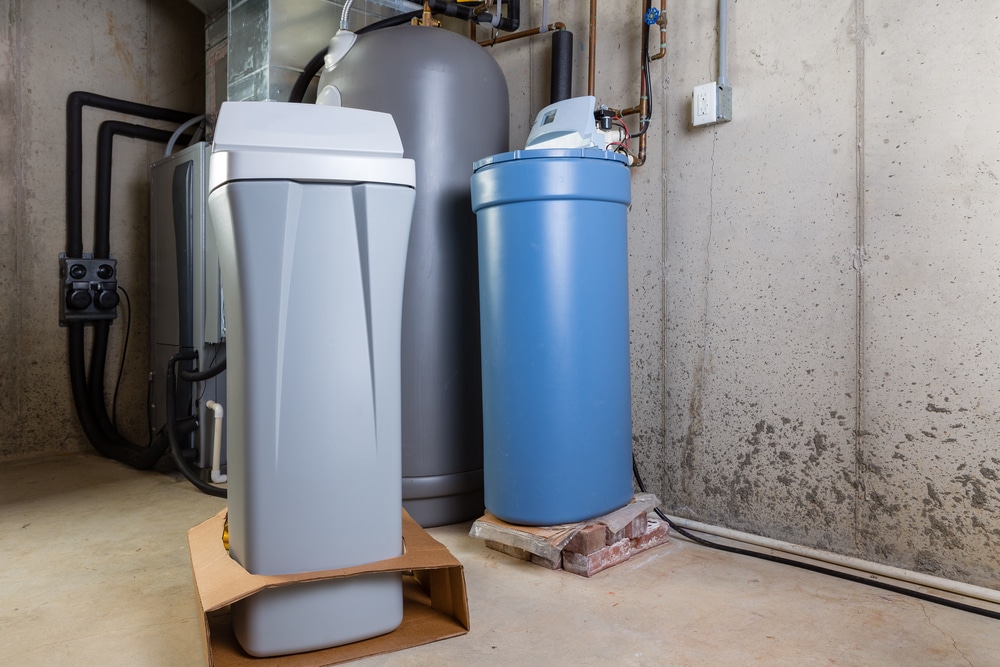
Water Softening is a water treatment technique for iron and manganese. Water passes through a resin bed filled with positively charged sodium ions. These sodium ions “replace” the magnesium in the water, separating the latter from the substance. This technique is only recommended for water with pH greater than 6.7, water hardness between 50 – 350 mg/L, and dissolved iron concentrations less than 5 mg/L.
When people are told to think of the tropics, they tend to picture hot, humid beaches and jungles. But believe it or not, glaciers can also exist in the tropics. These Tropical Glaciers exist at high altitudes in tropical regions, such as the West Papua Highlands or the Andes Mountains. Many tropical glaciers are disappearing due to climate change.
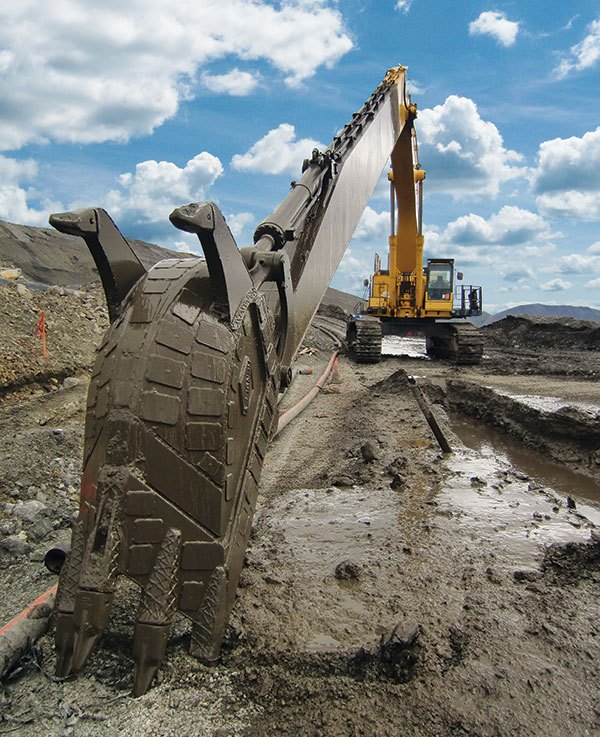
Trenches are a vital part of civil engineering and geology. But what properties make up a trench? Well, a trench is a depression that is longer than it is wide. Trenches are useful for laying underground infrastructure.
“How can we prevent groundwater from seeping into underground structures?”
Groundwater seepage is a threat to underground structure construction. But what if we built a trench around the structure and then fill it in with a slurry that blocks water? This is the idea behind Slurry Walls. Projects of all scales use slurry walls, from wells to the World trade Center.
“How can we drain water away to a specified flood zone?”
Water flooding is a major issue around the world. Massive damage can ensue if there’s no management. So what’s one way we can solve it? Well, what if we dig a trench, fill it with a gravel bed, insert a perforated pipe, and then file the rest with gravel? This way, the water will move from the gravel into the pipe, which can then transport the water into a specified flooding area. This technology is as French Drains, and is a common household flooding solution.
“What is energy that can no longer do useful work?”
When energy is used, sometimes it can no longer do useful work without a renewed energy supply. This energy is termed Anergy. One common form of anergy is waste heat. According to the second law of thermodynamics, the amount of anergy in the universe always increases with physical processes.





 Isaac's Science Blog