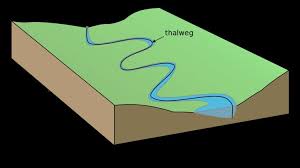
Rivers are dynamic pieces of geography. They curve and meander while transporting water and sediment. The depths of rivers will also vary. If you were to trace a path following the deepest parts of rivers, you would get what scientists call a Thalweg. Thalwegs are often used to mark the river border between countries or other governing bodies.
Salt marshes border coastal waters. When sea levels rise, more upland areas will become inundated with saltwater. This will increase soil salinity, killing off non-adapted plants and creating conditions for salt marshes to move in. This Salt Marsh Migration can completely upend traditional ecosystems.
Salt can intrude into soil. Soil Salinity is the measure of salt present in soil. Soil salinity can result from mineral weathering, saltwater intrusion, ocean withdrawal, or saltwater irrigation.
Why Midwestern US Cities That Are Losing Population But Have a Resilience Plan Can Potentially Become Receiving Cities
06/16/25
“Why can midwestern US cities that are losing population but have a resilience plan potentially become receiving cities?”
Many midwestern US cities are losing population. However, the midwest is particularly advantaged when it comes to climate change in comparison to the rest of the country, and if they have a resilience plan, then there is potential for future climate adapted growth. This is Why Midwestern US Cities That Are Losing Population But Have a Resilience Plan Can Potentially Become Receiving Cities.
Marshes are wetlands with shallow, stationary water. Marshes that border coastal saltwater are called Salt Marshes. Salt marsh plants are typically salt-tolerant and play a large role in binding sediments. Salt marshes are vital for coastal protection, and many environmental planners are working on restoring salt marshes.
Streams flow from one place to another. The land bordering streams, also known as Stream Banks, have a symbiotic relationship with the bodies of water.
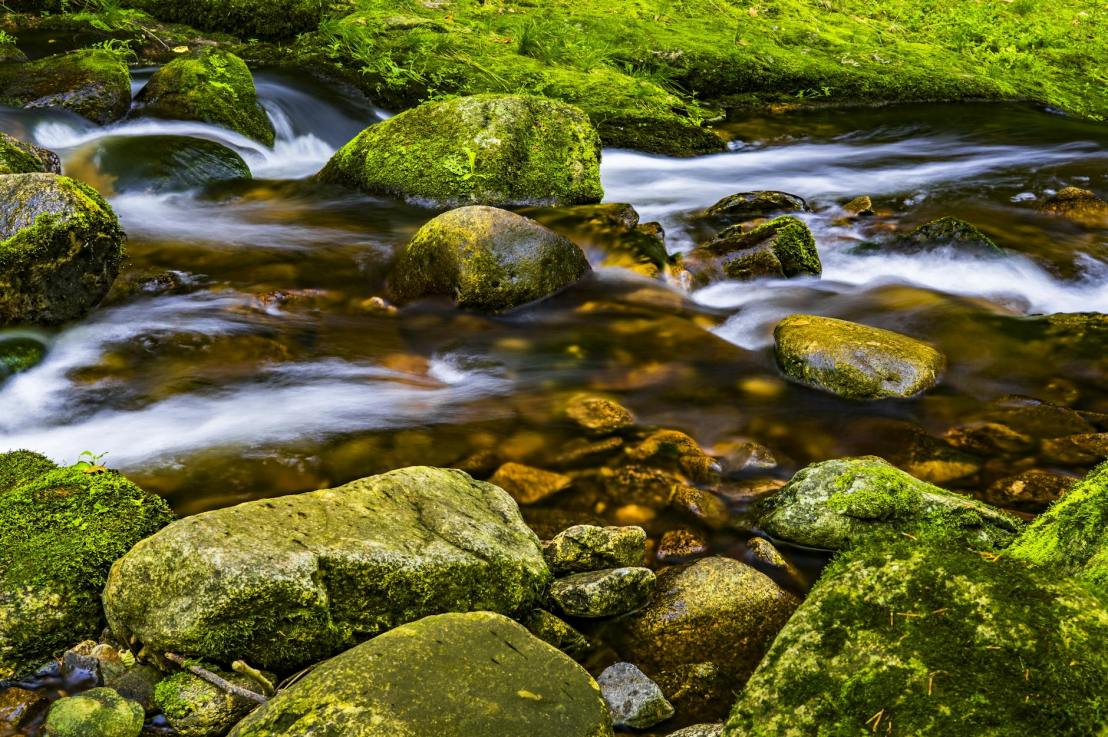
Streams carry water throughout a particular geography. The bottom of a stream, known as a Stream Bed, influences how the stream moves. For example, if a stream bed is more rocky, then it will protect against flooding, but can lead to extra sedimentation. Plant life can also occur on stream beds.
“What if we were to use watershed boundaries for political boundaries?”
Most political boundaries will bisect watersheds. This makes watershed and environmental management much more difficult because multiple actors need to come together to make decisions, and communities within the same watershed are divided. So what if we were to base political boundaries on watershed boundaries? This concept, called Watershed Democracy, allows for much better water resource use, environmental management, climate adaptation, and community engagement.
“How can we recharge groundwater supplies using human-built infrastructure?”
Infrastructure operators need to maintain groundwater supplies at sustainable levels. Sometimes, demand is so high that groundwater levels will collapse if no external intervention is taken. Infrastructure operators can undertake Artificial Groundwater Recharge using human-built mechanisms such as recycling treated wastewater and stormwater.




 Isaac's Science Blog