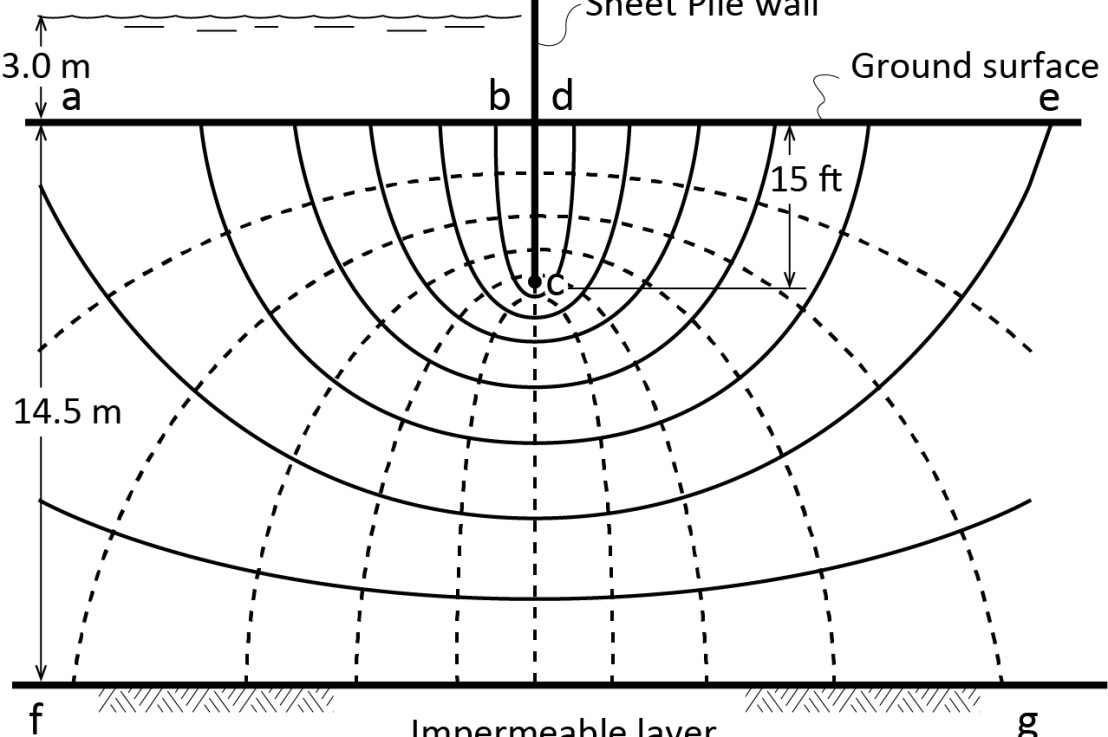
“How can we visualize how water moves through soil?”
While it may not be obvious, water actually moves through soil. One way we can visualize this is to draw flowlines from the origin to the destination and then equipotential lines going through right angles at equal potentials. These Flow Nets are a great way to spatially describe how water moves through soil. You can use the ratio of the number of flow channels and the number of equipotential drops to estimate the flow through the soil.
The Difference Between Suppressed and Contracted Weirs
02/06/26
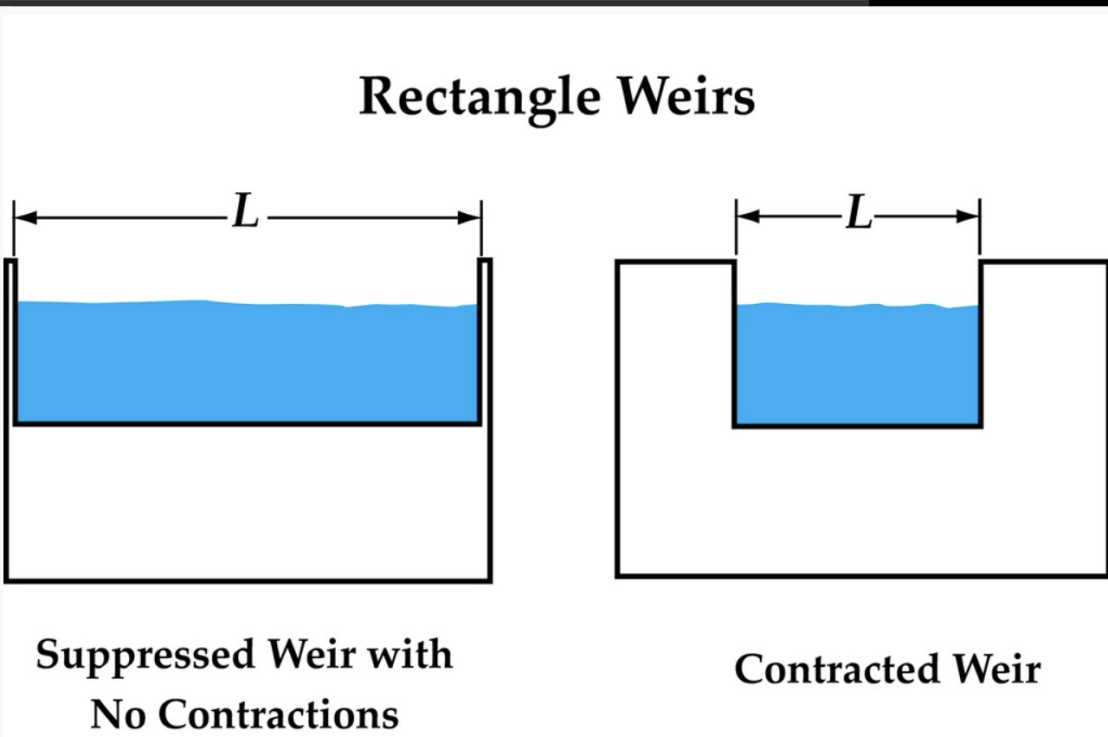
“What’s the difference between suppressed and contracted weirs?”
Weirs control water flow heights and measure discharge. Just like there are all types of water flows, there are all types of weirs. Suppressed weirs are simple rectangular blocks that allow the flow to completely pass through them. These are typically used for simple hydraulic and measurement needs. Contracted weirs are like suppressed weirs, except they have two equal-length blocks on top of the flat crest. This forces water to narrow and go through the small opening. Contracted weirs are more commonly used for flows with limited space, given the smaller area needed. This is The Difference Between Suppressed and Contracted Weirs.
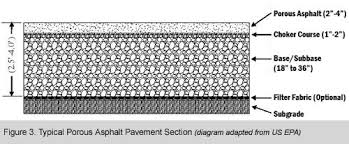
Porous pavement can hold water that enters its surface. But how exactly does it do that? Well, inside the porous pavement there is a section called a Reservoir Course. The reservoir course used air voids to hold water until it can infiltrate into soils or sub-drains away. The reservoir course can vary in size according to project needs and any applicable regulations.
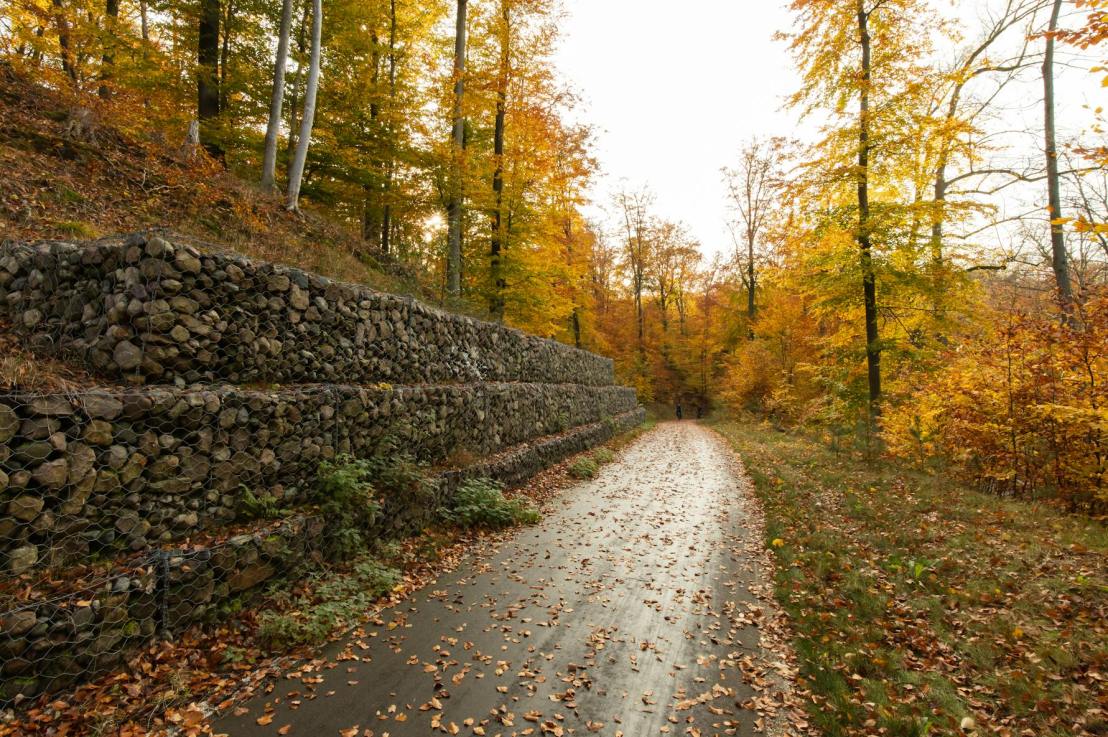
“How can we keep sloped or elevated soil from falling over?”
Many human-built landscapes have soil rising steeply above the ground. If left to itself, this soil would fall over with wind, water, and/or gravity. So how can we prevent this? Well, what if we were to build a wall that would keep the soil back as a dam does to water? Well, this is the idea behind Retaining Walls. People must design retaining walls to resist the lateral pressure of soil and any inclement elements.
“What happens when liquid picks up dissolved/suspended solids as it moves through a permeable layer?”
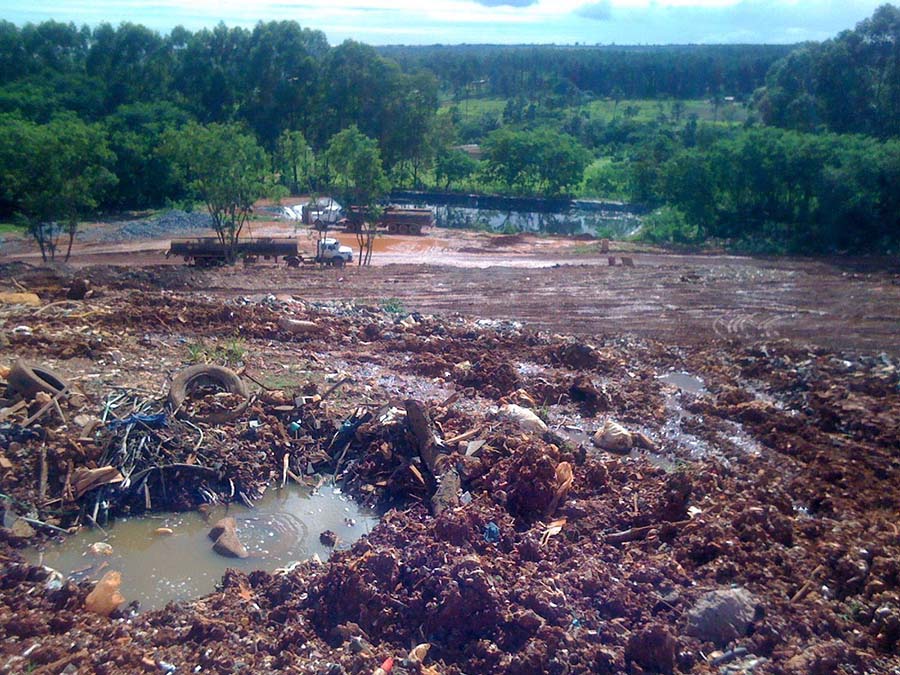
Liquids can move through permeable layers. Sometimes, the layer may have soluble or suspended solids along its journey and form what’s called a Leachate. Leachate properties are dependent on the liquid and its solvent. Leachates from stormwater landing on landfills can pollute nearby surface and groundwater.
“How can we visualize how fluid pressure changes with depth?”
Fluids increase in pressure as you get deeper. If the fluid has a non-uniform density with depth, then the pressure will increase differently at different heights. We can visualize this information with a Fluid Pressure Diagram, which graphs depth on the negative y-axis and pressure on the x-axis. Fluid pressure diagrams are a great way to find out what the force on an area of the fluid container is because you can integrate the fluid pressure diagram and multiply by surface area.
“Why is it so important to implement dust control practices during construction erosion and sediment control?”
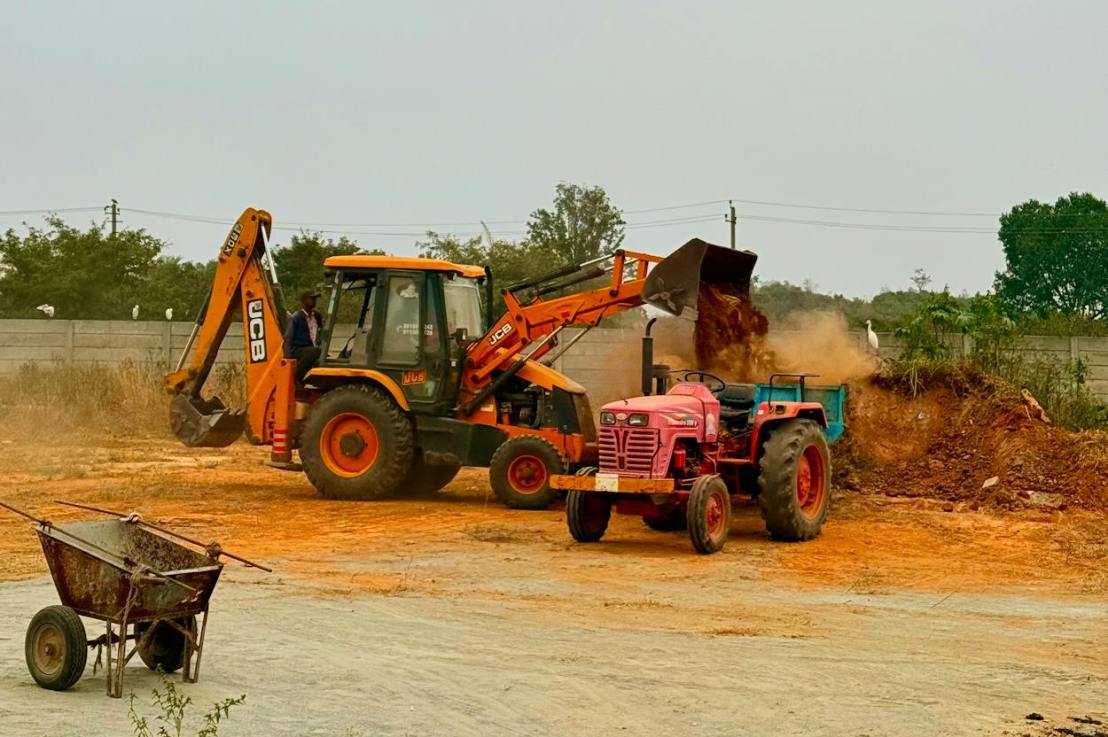
Construction operations disturb soil and unleash dust into the surrounding area. This dust can pose a major health problem for surrounding communities. Construction roads, movement access points, and other disturbed areas can create dust pollution. Construction operators can implement ESC Dust Control, such as vegetation buffer areas, soil stabilization, mulch, spray adhesives, barriers, windbreaks, and polymer additives. ESC Dust Control is an important aspect of preventing air and water pollution.
“How can we quantify the lethality of exposure to a substance?”
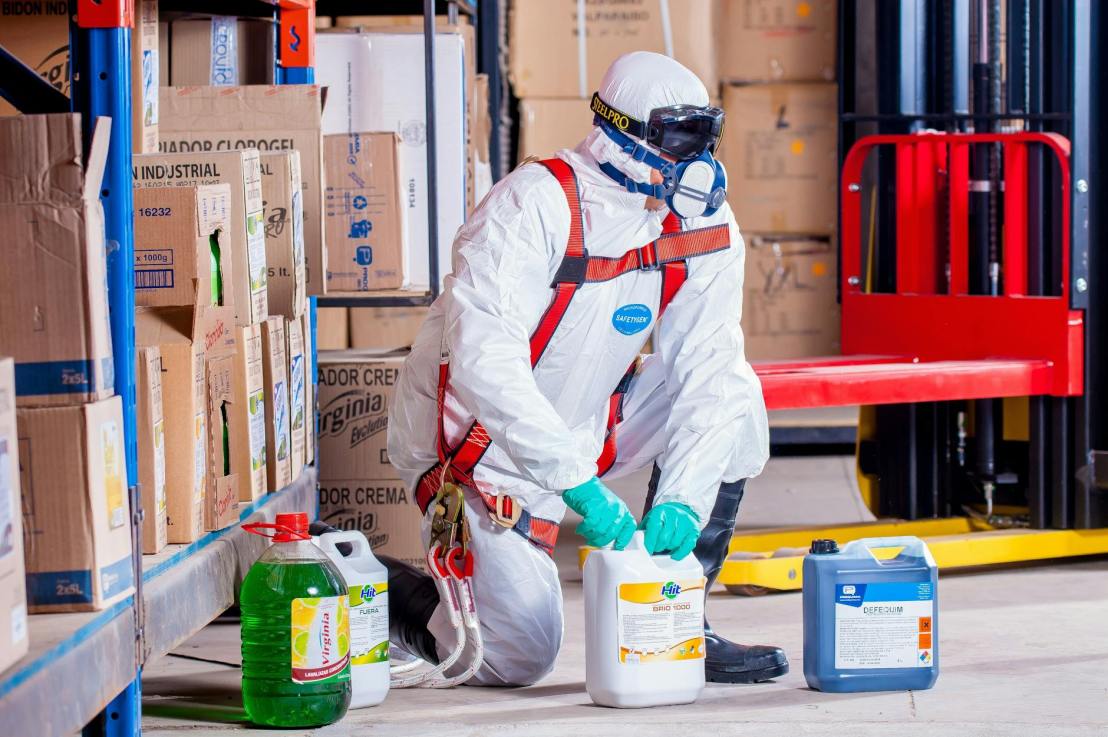
People are exposed to potentially hazardous substances all the time, whether it’s traces of air pollution or bacterial growth on food. We also know that if exposure breaches a certain level, it becomes dangerous. So how can we quantify the lethality of exposure to a substance? Well, what if we divide the exposure level by the reference dose? This is how the Hazard Quotient works, and it is a very useful tool in toxicology.
“How far does air pollution rise after release from a stack?”
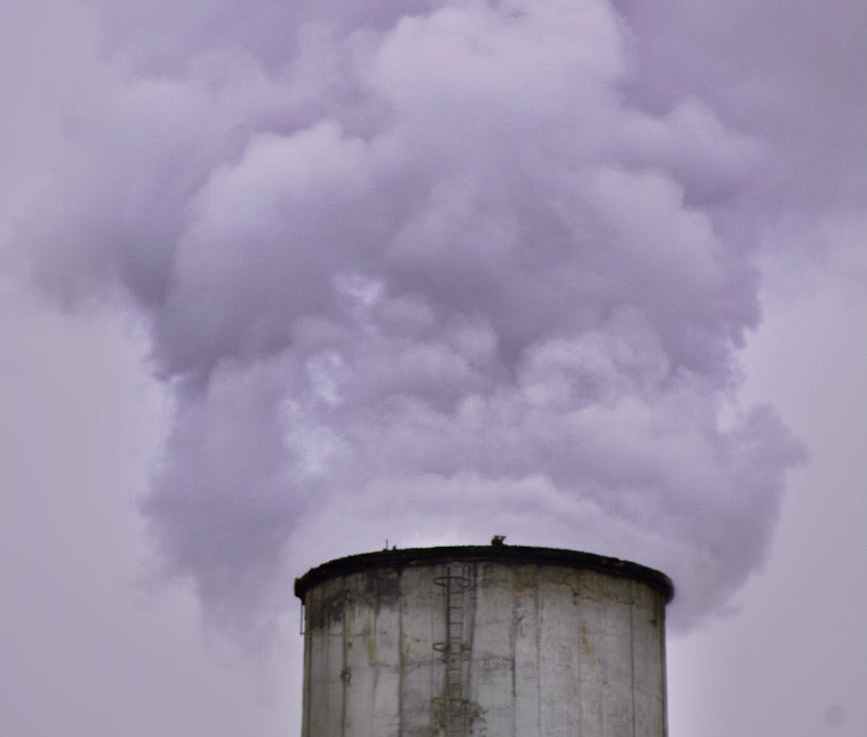
People often release waste air from a building stack. This air will rise to a certain height called the Plume Rise before moving in the direction of the wind. The higher the plume rises, the lower the amount of pollution that will fall on the ground. A higher exit temperature and faster exhaust speed lead to a larger sack height.
 Isaac's Science Blog