Category: Biology

Chlorine Disinfection for Water

Chlorine Disinfection for Water

Chlorine Disinfection for Drinking Water

10/09/25

“How can we use chlorine to make water safe to drink and swim?”

All sorts of pathogens harmful to human health reside in water. We need to disinfect water before we drink it. But what chemical should we use? Well, it turns out that chlorine is an incredibly useful tool. We can add chlorine in the form of chlorine gas (Cl2), sodium hypochlorite (NaOCl), and calcium hypochlorite (Ca(OCL)2) to water. The chlorine will then react with the water to form hypochlorous acid (HOCL) and hypochlorous acid (HCL). Hypochlorous acid may then dissociate into hydrogen ions (H+) and Hypochlorite ion (OCl-). The dissociation process is pH level and temperature dependent, and the HOCL and OCL- amounts are equal at pH levels of 7.5 and 20 degrees Celsius. Below a pH of 7.5, HOCL is dominant, and OCL- is dominant above 7.5. HOCL and OCL disinfect water by breaking down the cell walls and internal components of pathogens. HOCL is 80 times more effective at destroying E.coli than OCL- is. In Chlorine Disinfection for Drinking Water, there are at least some chlorine residuals left after the process ends. The amount of time and residual concentration the water is in contact with the chlorine is incredibly important for the disinfection process. Chlorine disinfection is used at a wide range of scales, from swimming pools to gargantuan treatment plants.

Plant Wilting Point

Plant Wilting Point

Plant Wilting Point

08/21/25

“What’s the minimum amount of water in soil needed to keep plants alive?”

Plants require a specific amount of water in their root zone to survive. Otherwise, they’ll wither up and die. This quantity, defined by the Plant Withering Point, is affected by the soil type, plant species, and characteristics of the roots.

Why BOD Removal is Faster When There is More Organic Pollution

Why BOD Removal is Faster When There is More Organic Pollution

Why BOD Removal is Faster When There is More Organic Pollution

04/11/25

“Why is BOD removal faster when there is more organic pollution?”

Microorganisms digest organic pollution. The more organic pollution there is, the easier organisms can multiply and consume the substance. After more of the initial organic pollution is consumed, there is less easy food to find for the microorganisms, leading them to struggle. This is Why BOD Removal is Faster When There is More Organic Pollution.

Conventional Activated Sludge (CAS) Systems

Conventional Activated Sludge (CAS) Systems

Conventional Activated Sludge (CAS) Systems

04/10/25

“How can we filter wastewater using air and bacteria?”

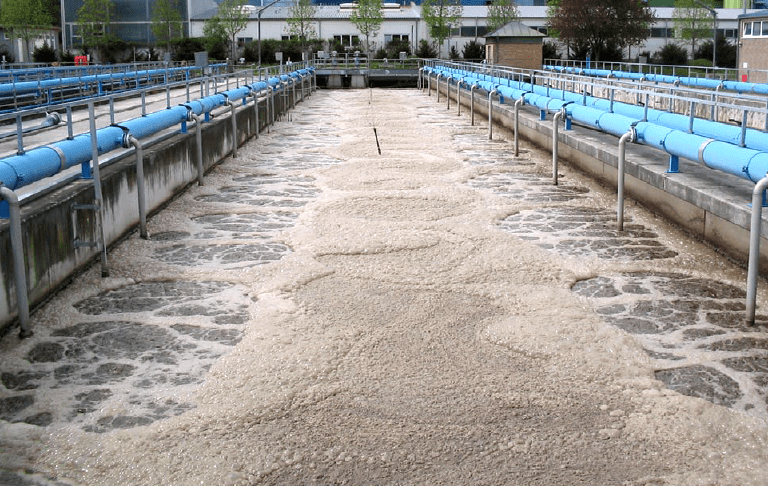
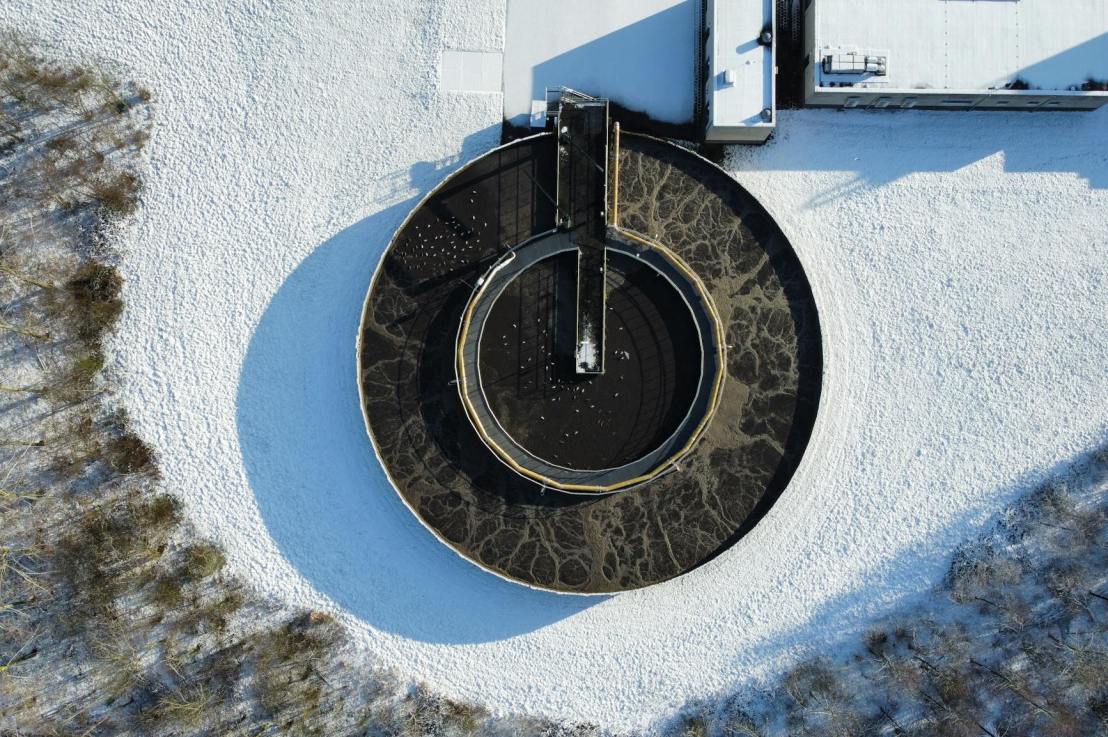
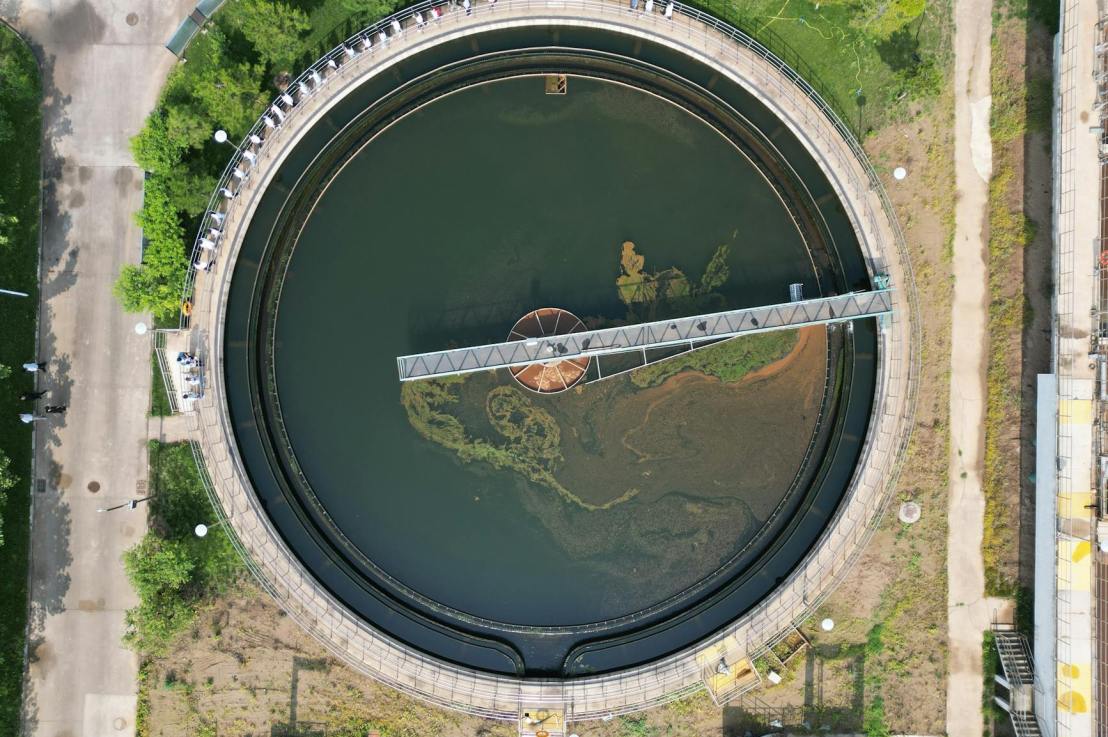
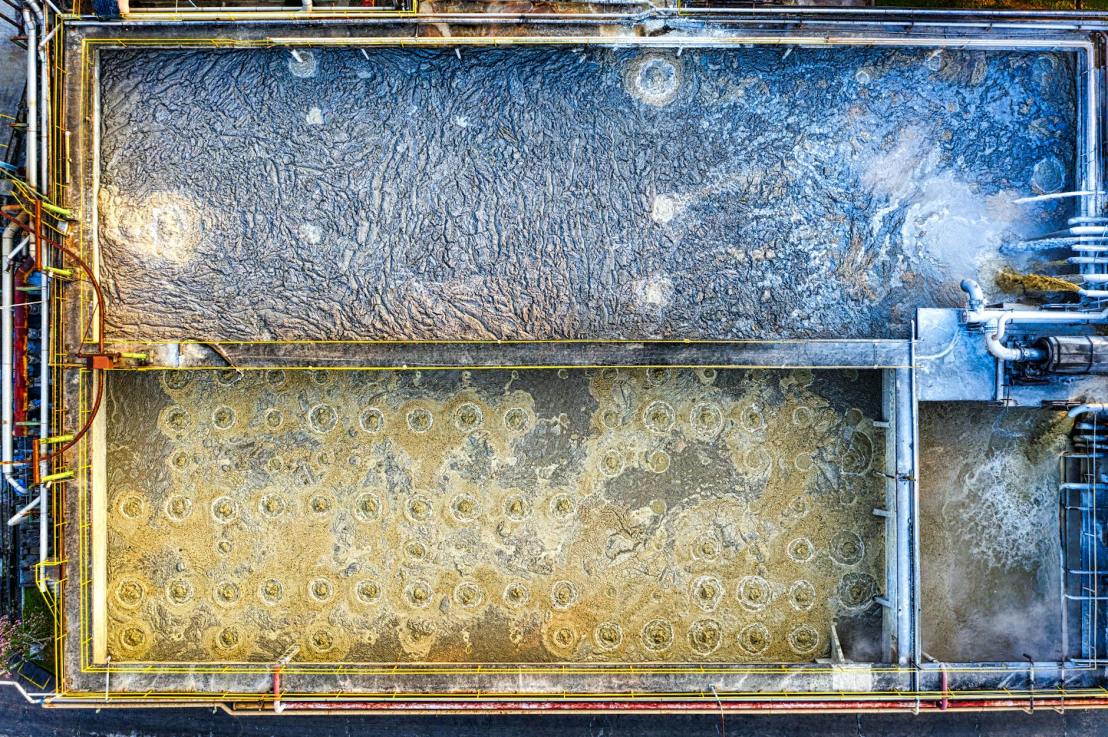
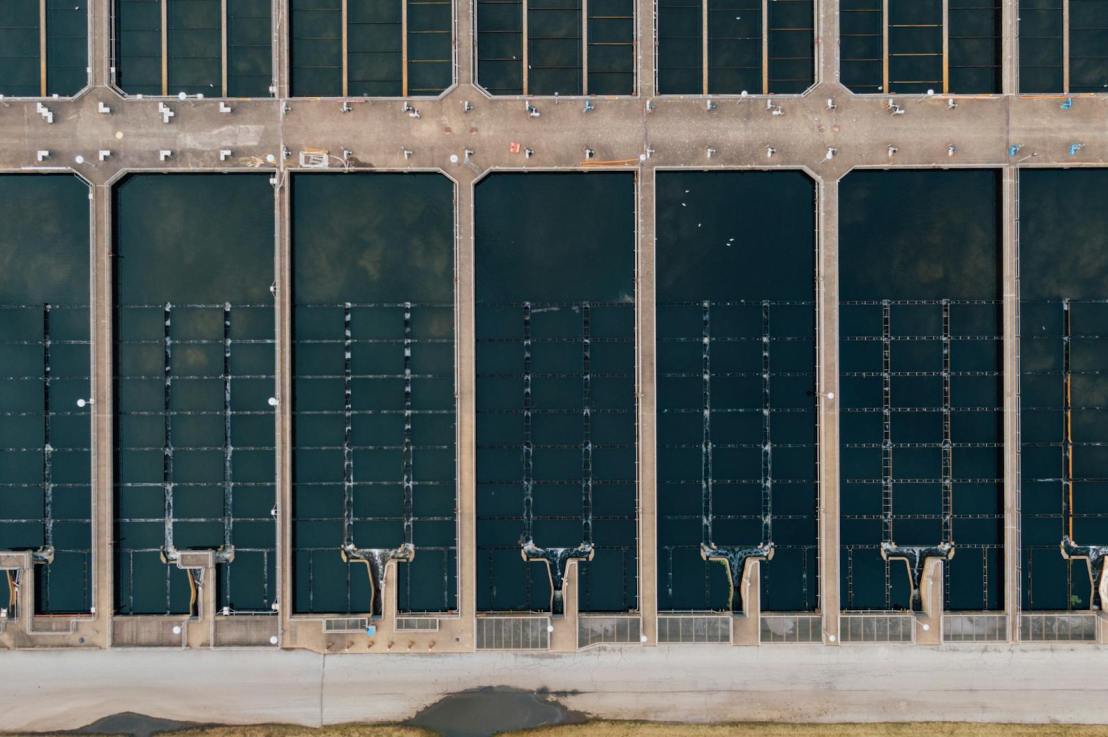
Conventional Activated Sludge (CAS) Systems are a cornerstone of modern wastewater treatment technology. CAS systems are composed of two tanks, an aeration tank and a settling tank. The CAS process begins with influent wastewater pouring into the aeration tank. The aeration tank aerates (adds air or oxygen) into the wastewater to activate microorganisms already present. These microorganisms break down the organic pollutants into less harmful biomass. Over time, the microbes and the waste will clump together to form flocs. The water and flocs are then transported to the settling tank (also known as a clarifier) where the heavier flocs settle to the bottom as sludge and clear water flows out as effluent. The sludge then leaves the settling tank, where part of it is removed from the CAS (Waste Activated Sludge) while the other portion is returned to the aeration tank (Return Activated Sludge) to provide extra microorganisms to new influent water. The attached image visualizes this process.

Why Your Kidneys Are Like a Water Filtration System

Why Your Kidneys Are Like a Water Filtration System

Why Your Kidneys Are Like a Water Filtration System

03/17/25

“Why are your kidneys like a water filtration system?”

We tend to think of body organs as functioning completely differently than built infrastructure. But this is not always the case. Take the kidneys for example. A kidney filters extra water from incoming into urine, much like how a water filtration system filters contaminants from incoming water. This is Why Your Kidneys Are Like a Water Filtration System.

Image credit https://humanbiology.pressbooks.tru.ca/

Indicator Organisms

Indicator Organisms

Indicator Organisms

03/04/25

“How can an organism’s presence indicate environmental conditions?”

Organisms like bacteria and fungi may be present when certain conditions are present. Sometimes an organism’s presence is indicative of other environmental conditions. These Indicator Organisms are an important part of studying environmental factors. An example indicator organism is E. coli bacteria are present when there is fecal matter.

Toxicology

Toxicology

Toxicology

12/24/24

“What is the academic study of the harmful effects of chemicals on living organisms and the environment?”

Toxic substances can have a wide range of effects on a wide range of organisms. Some may cause only small ain, while others can be threatening. To study these phenomena, scientists look to the field of Toxicology. Toxicology studies how the response of an organism is affected by exposure to a toxin. Toxicology is used in environmental health to understand the effects of pollutants on organisms and the environment.

In Situ Bioremediation

In Situ Bioremediation

In Situ Bioremediation

12/23/24

“How can bioremediation treat polluted sites directly?”

Bioremediation uses biological organisms to treat pollution. Techniques that directly treat polluted sites are known as In Situ Bioremediation. Potential applications range from directly applying oxygen flow to unsaturated soil zones to adding helpful bacteria. 

Bioremediation

Bioremediation

Bioremediation

11/22/24

“How can we use biological organisms to remove pollutants?”

Pollution remediation is necessary to restore nature to its proper function. What if we were to use biological systems to accomplish this? Well, this Bioremediation can be carried out using plants, fungi, microalgae, and bacteria to remove pollutants from the environment. Bioremediation is often less expensive and more eco-friendy than artificial processes.