Author: Isaac Gendler

Soil Slope Toe

Soil Slope Toe

Soil Slope Toe

01/06/26

“What defines the base of a soil slope?”

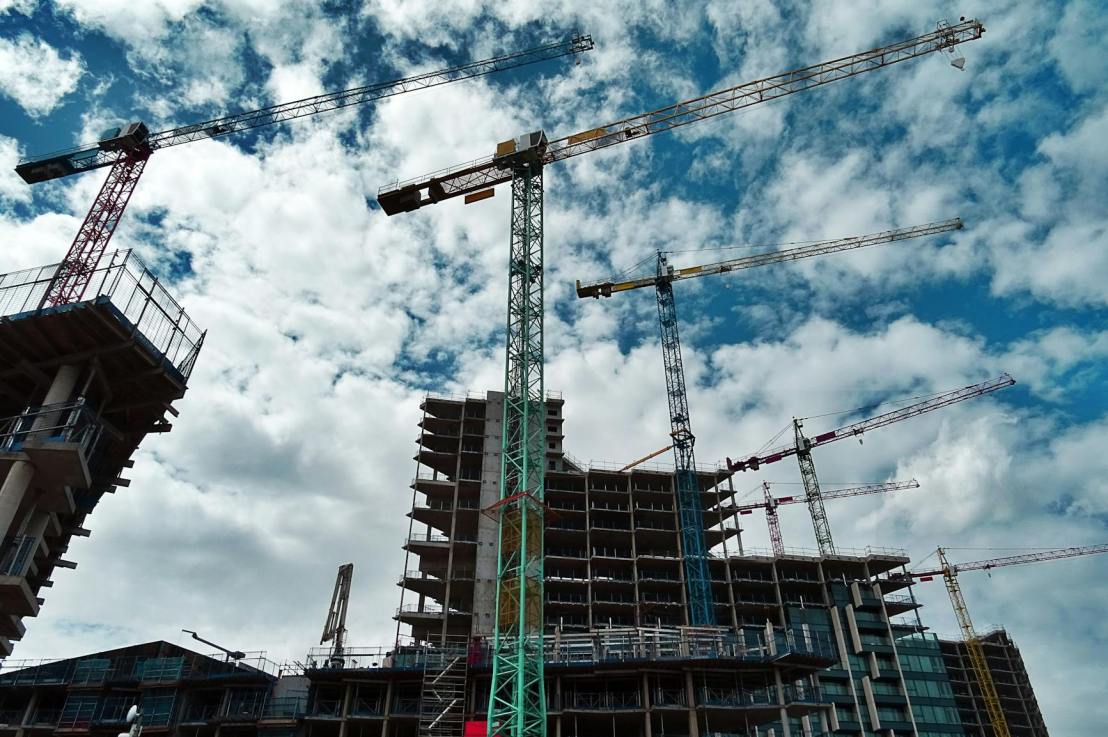
Construction sites often have sloping soil mounds. The bottom section with a gentle slope that meets the ground is known as the Soil Slope Toe. The soil slope toe is important because it often experiences the highest stress and is where erosion concentrates.

Minimum Vertical Separation From Water Table

Minimum Vertical Separation From Water Table

Minimum Vertical Separation From Water Table

01/05/26

“Why do some engineering systems require a minimum vertical separation from the water table?”

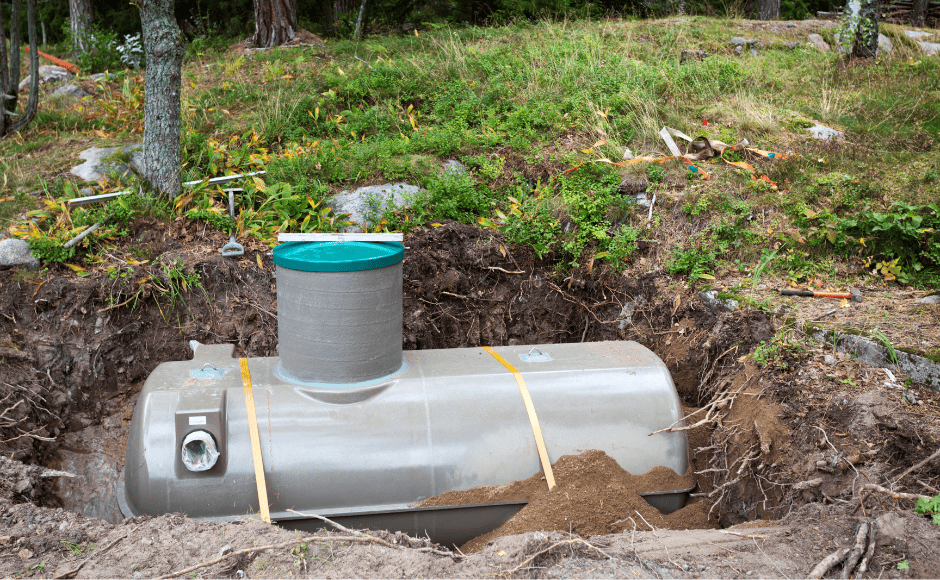
Engineering systems may store water beneath the surface, such as septic systems for wastewater or infiltration systems for stormwater. However, these systems can cause catastrophic damage if they’re built too close to the water table. Septic systems can leach wastewater and contaminate groundwater supplies, while water infiltration can raise the water table and lead to flooding. Consequentially, government regulations may require a Minimum Vertical Separation From Water Table to ensure public safety. For example, the NYC Department of Environmental Protection mandates that stormwater infiltration practices in Brooklyn and Queens are at least 4 feet above the groundwater table.

Image credit: https://michigansaves.org/

Builders Pavement Plans

Builders Pavement Plans

Builders Pavement Plans

01/04/25

“What regulations do you have to follow if you install or alter curbs, sidewalks, or roadways in NYC?”

Different municipalities have different regulations for different construction activities. In NYC, people who install or alter curbs, sidewalks, or roadways are required to submit a Builders Pavement Plan, or BPP. The builders pavement plan documents what actions the construction operator is taking to install/alter their right-of-way infrastructure and how they will follow regulations. The NYC Department of Buildings reviews BPP applications and analyzes how they comply with city construction codes and NYC Department of Transportation rules, regulations, and standards. BPPs help ensure NYC’s urban planning stays strong and that city residents are offered a safe environment.

Common Plan of Development

Common Plan of Development

Common Plan of Development

01/03/26

“How can we build a large project in multiple distinct phases?”

Large construction projects often need to comply with stringent size-based regulations. Developers might subvert this by breaking up a large project into multiple sub-projects. To prevent this, U.S. governmental regulatory authorities will define projects with the same owner/developer completed in the same larger development plan as part of a Common Plan of Development. Permits will use the acreage of the total common plan of development to ensure construction operators meet planning requirements, such as stormwater pollution prevention plans.

Right of Way Dedication

Right of Way Dedication

Right of Way Dedication

01/02/26

“How can property owners transfer their land to use for public infrastructure?”

Public infrastructure such as roads and canals often relies on access to a legal right of way. Without this, parts of a municipality might not be accessible to the general public. One way property owners can increase the amount of public right of way is through a Right of Way Dedication. This involves transferring land from the property owner to the government agency to use for infrastructure. Property owners might use right-of-way dedications as leverage in land-use negotiations with government agencies.

Drawdown Time (Detention Tanks)

Drawdown Time (Detention Tanks)

Drawdown Time (Detention Tanks)

01/01/26

“How long does it take for detention tanks to empty their stored water?”

Detention tanks hold stormwater and release it slowly over time to prevent flooding. The amount of time it takes to empty the detention tanks, also known as the Drawdown Time, is dependent on a variety of factors, such as the volume of filtration, orifice area, acceleration due to gravity, and maximum hydraulic head above the orifice centerline. Detention tank drawdown is vital for hydrological engineering calculations. 

image credit: https://www.polymaster.com.au/

Certificate of Occupancy

Certificate of Occupancy

Certificate of Occupancy

12/29/25

“How do NYC buildings show they comply with the legal uses allowed?”

Buildings in NYC are used for all sorts of purposes, ranging from dense multistory residential to industrial wastewater operations. Before people can occupy a building after construction or major redevelopment, the building owner must obtain a Certificate of Occupancy from the NYC department of Buildings by paying all fees to all related departments, all relevant violations have been solved, and other city agencies send all necessary approvals. Certificates of occupancy ensure that NYC regulations are met and the city functions well.

Temporary Stabilization

Temporary Stabilization

Temporary Stabilization

12/23/25

“How can construction operators temporarily stabilize soils when they’re pausing construction?”

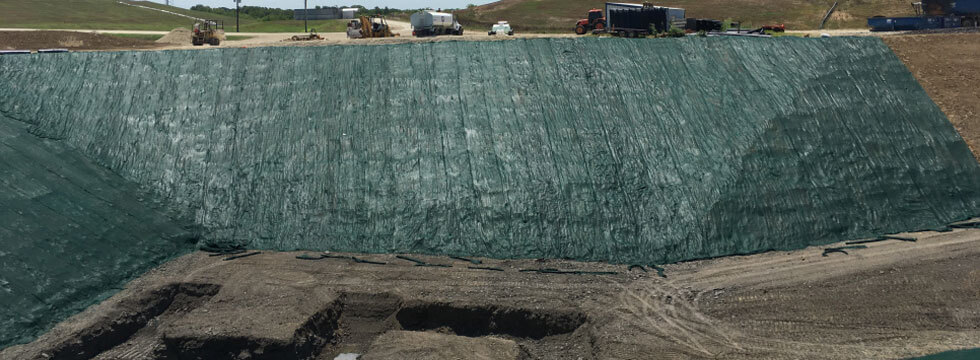
Soils are disturbed during construction activity. While site maintenance can prevent erosion, sometimes you want to pause construction activity. When this happens, you will want to temporarily stabilize the soil to keep the soil from eroding. Temporary Stabilization offers the quick fixes needed to prevent site degradation. Temporary stabilization measures are usually quick to deploy but do not last permanently.

Image credit: https://texaserosionsupply.com/

Surface Stabilization

Surface Stabilization

Surface Stabilization

11/22/25

“What can we do to prevent soil from eroding away?”

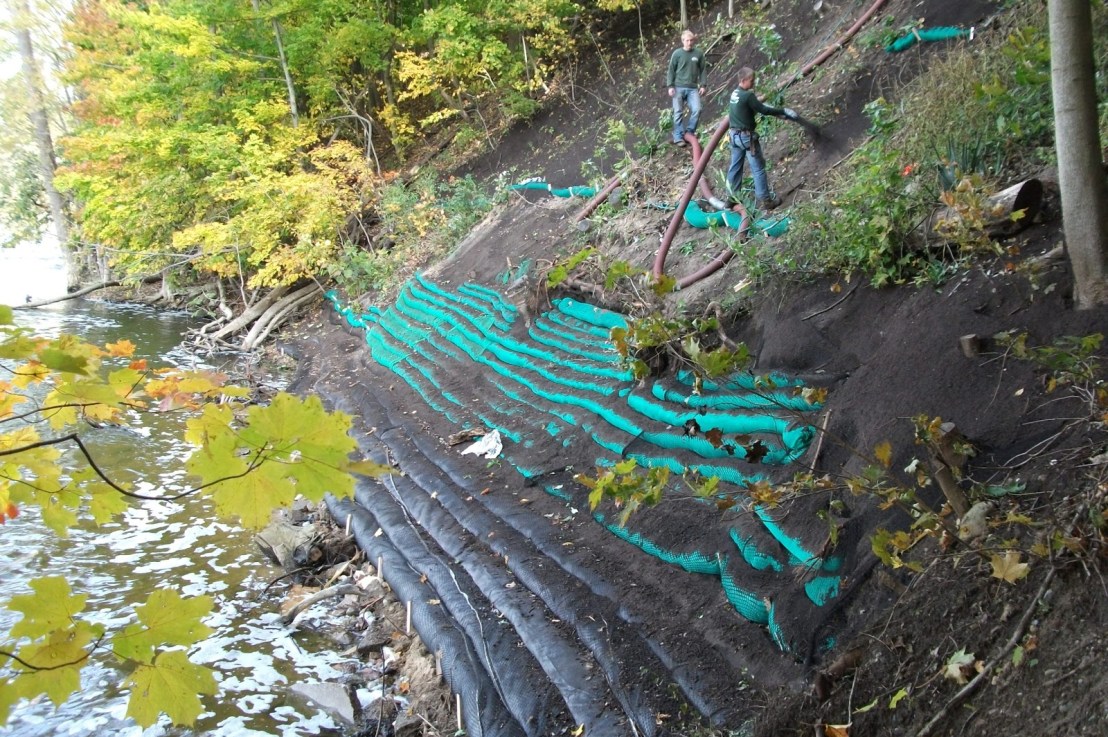
Soil is foundational for human life on this planet. Whether it’s for growing crops or managing construction projects, humans modify soil to meet the needs of the day. Sometimes soil needs altering to make it able to hold it in place and keep wind, water, and other forces from eroding it. These strategies are commonly referred to as Surface Stabilization. Surface stabilization applications range from strengthening soil to support new structures to planting trees to keep sediment from spilling into waterways. 

Image credit: https://www.superiorgroundcover.com/