Author: Isaac Gendler

Why the EU Wants All New Buildings After 2030 to Be Zero Emissions

Why the EU Wants All New Buildings After 2030 to Be Zero Emissions

Why the EU Wants All New Buildings After 2030 to Be Zero Emissions

08/07/24

“Why does the EU want all new buildings after 2030 to be zero emissions?”

The EU has some ambitious climate plans. It aims for member states to be net-zero emitters of greenhouse gases by 2050. The buildings sector is one way of accomplishing this. To ensure this target is reached, the EU plans through the Energy Performance of Buildings Directive ((EU) 2024/1275) to make all new buildings built after the beginning of 2030 climate neutral. This is Why the EU Wants All New Buildings After 2030 to Be Zero Emissions.

Why Heat Pumps Don’t Work Well in Cold Environments

Why Heat Pumps Don’t Work Well in Cold Environments

Why Heat Pumps Don’t Work Well in Cold Environments

08/06/24

“Why don’t heat pumps work well in cold environments?”

Heat pumps depend on using a working fluid to transfer heat from the outside environment to the inside. The working fluid becomes much less efficient when the outdoor temperature hits 5 degrees Celsius. This makes it much more difficult to heat your home effectively. This is Why Heat Pumps Don’t Work Well in Cold Environments.

Image credit: i0.wp.com/ctnewsjunkie.com

Why Liquified Petroleum Gas is Often a Mixture of Propane and Butane

Why Liquified Petroleum Gas is Often a Mixture of Propane and Butane

Why Liquified Petroleum Gas is Often a Mixture of Propane and Butane

08/05/24

“Why is liquified petroleum gas often a mixture of propane and butane?”

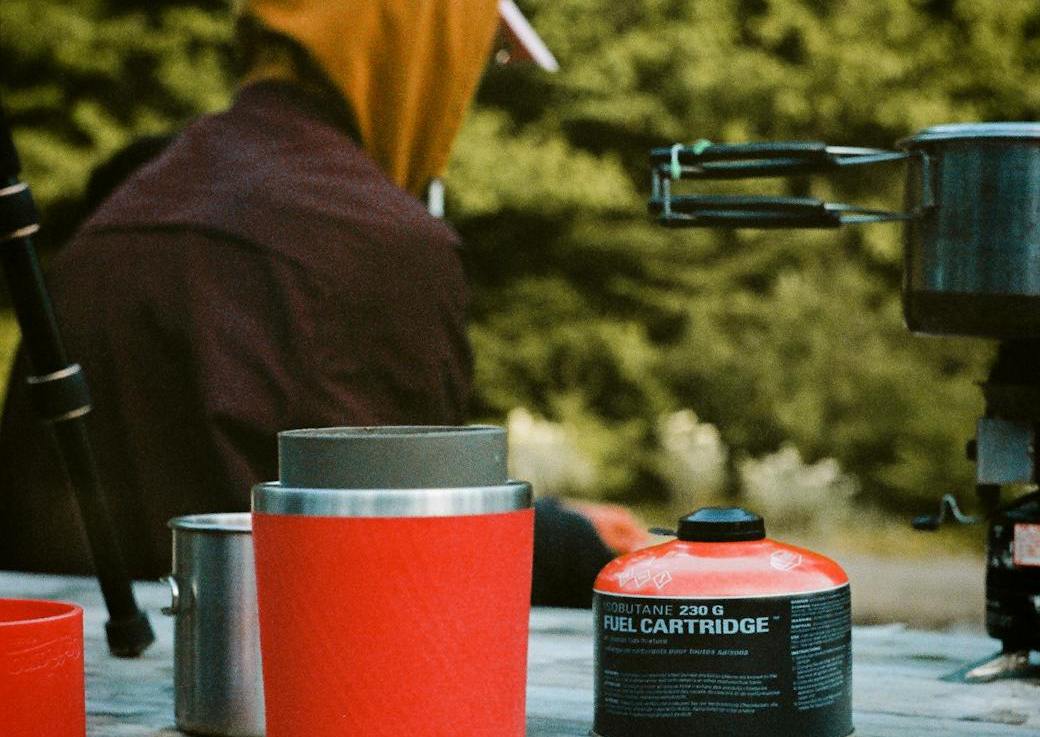
Liquified petroleum gas is often used for heating. Butane has a very high energy density, making it ideal for adding warmth to a building. However, it also has a very low boiling point (-0.4 degrees C), making it only available to a small temperature range. But mixing it with Butane (-42 degrees C) this gas can work on a much more versatile scale. This is Why Liquified Petroleum Gas is Often a Mixture of Propane and Butane.

Why More Water-Efficient Households Can Have Smaller Water Storage Tanks

Why More Water-Efficient Households Can Have Smaller Water Storage Tanks

Why More Water-Efficient Households Can Have Smaller Water Storage Tanks

08/04/24

“Why can more water-efficient households have smaller water storage tanks?”

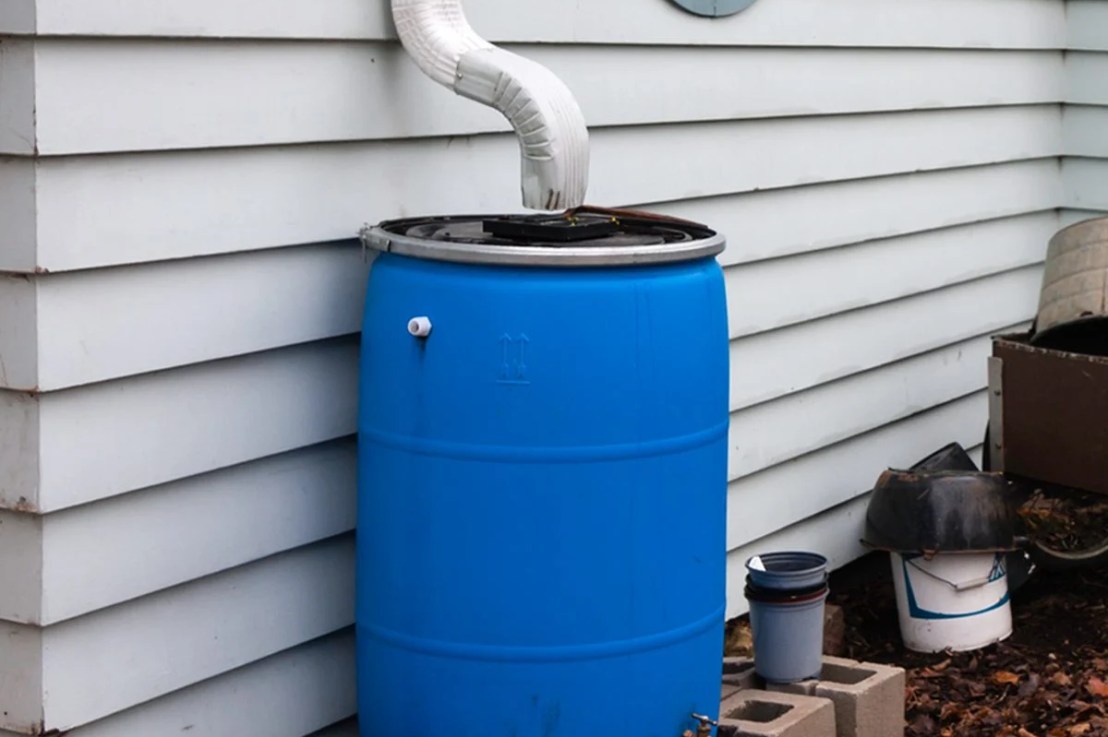
Water storage tanks’ size is dependent on the amount of water a household consumes. If a household is more water-efficient, it will consume less water and therefore have a smaller water storage tank. This is Why More Water-Efficient Households Can Have Smaller Water Storage Tanks.

Image credit https://www.familyhandyman.com/

Heat Pumps for Water Heating

Heat Pumps for Water Heating

Heat Pumps for Water Heating

08/03/24

“How can heat pumps be used for water heating?”

Heating water can take a lot of energy. This makes clean, energy-efficient alternatives all the more necessary in building decarbonization. Heat Pumps fit this bill perfectly, making Heat Pumps for Water Heating a terrific solution.

Why Sewage Sludge is Recycled Into Fertilizer

Why Sewage Sludge is Recycled Into Fertilizer

Why Sewage Sludge is Recycled Into Fertilizer

08/01/24

“Why is sewage sludge recycled into fertilizer?”

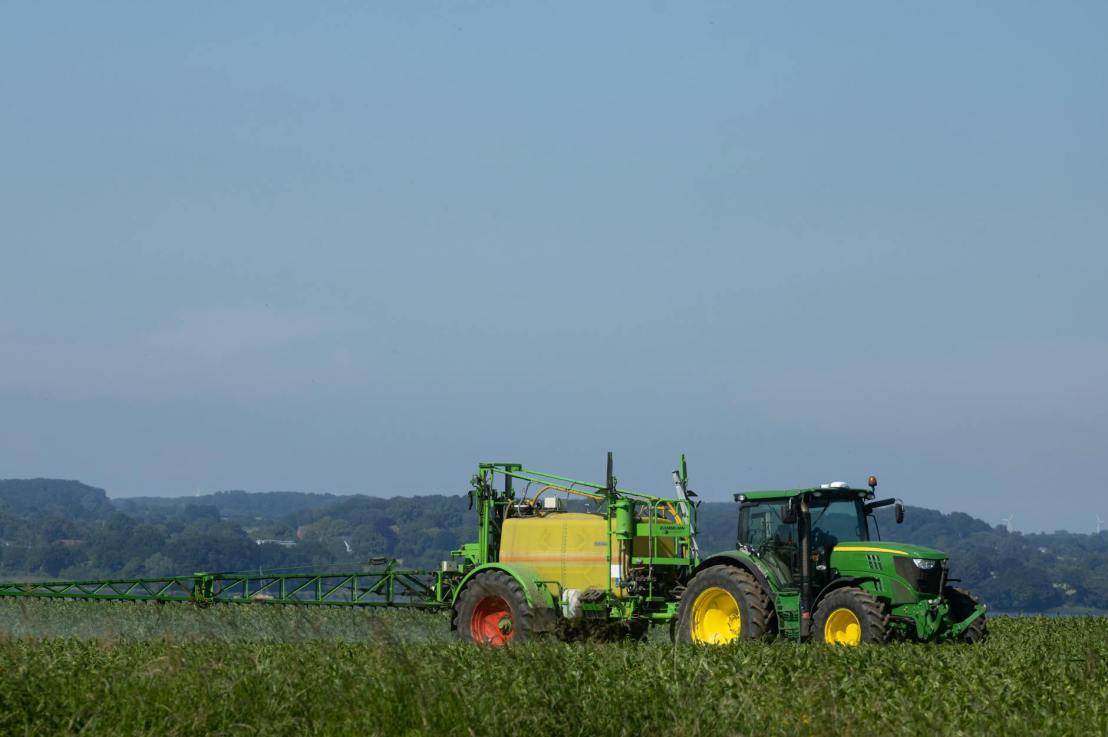
Sewage sludge can be a pain to deal with. It’s filthy, it’s ugly, and it’s hard to deal with. However, it also contains solid organic material that’s digestible by plants. This makes it potent as a fertilizer product. This is Why Sewage Sludge is Recycled Into Fertilizer.

Catchment Areas

Catchment Areas

Catchment Areas

07/31/24

“What is the area of land that collects water after rain?”

Rain brings water down onto the ground. Usually, the water will merge onto a single area that’s bounded by areas of higher elevation. These Catchment Areas are important for studying how floods can occur and what interventions to take.