Author: Isaac Gendler

Lowland Rivers

Lowland Rivers

Lowland Rivers

10/16/24

“What are the characteristics of rivers in lowlands?”

A river’s natural environment affects its properties. Rivers in lowlands, termed Lowland Rivers are slower because they go through a smaller gravitational potential difference. They also contain more sediment than upland rivers which makes them contain less oxygen and appear more opaque.
Upland Rivers

Upland Rivers

Upland Rivers

10/15/24

“What are the rivers that originate in mountainous environments?”

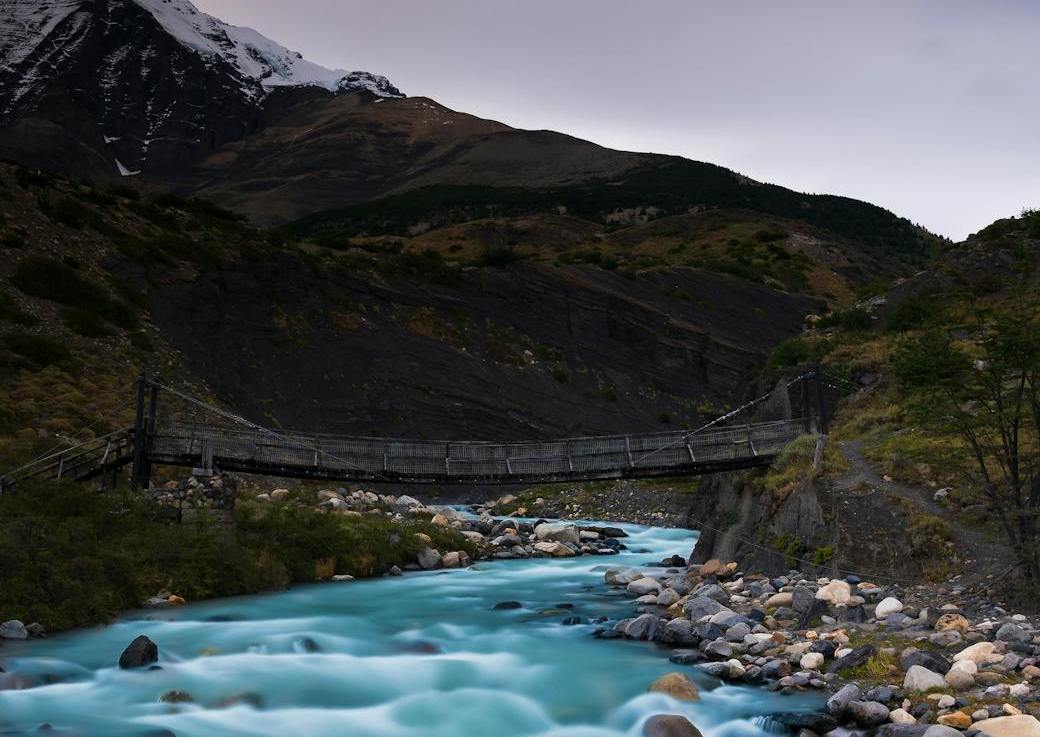
Rivers are found almost everywhere on Earth. Rivers that start in mountainous environments are labeled Upland Rivers. These rivers are typically fast-moving due to their steep drop in elevation. Upland rivers are typically clear and have copious amounts of oxygen. 

River Banks

River Banks

River Banks

10/14/24

“What is the terrain next to a river?”

Rivers are powerful streams of water. The terrain next to them is called River Banks. River banks are surrounded by two sides, a left bank, and a right bank.

Why Venice is Built on Stilts

Why Venice is Built on Stilts

Why Venice is Built on Stilts

10/13/24

“Why is the city of Venice built on stilts?”

Venice is a top-rated destination for countless people all over the world. There is so much to love from its beautiful canals to its deep history. However, one of the most interesting aspects is that the city itself is built on stilts. Why did the Venetians do this? Well, the islands that serve as Venice’s base are made of weak, soft mud and silt. This makes building very dangerous and arduous. Building a foundation of wooden stilts makes development stronger. This is Why Venice is Built on Stilts.

Phylogenetic Trees

Phylogenetic Trees

Phylogenetic Trees

10/12/24

“How can we represent evolutionary history on a tree diagram?”

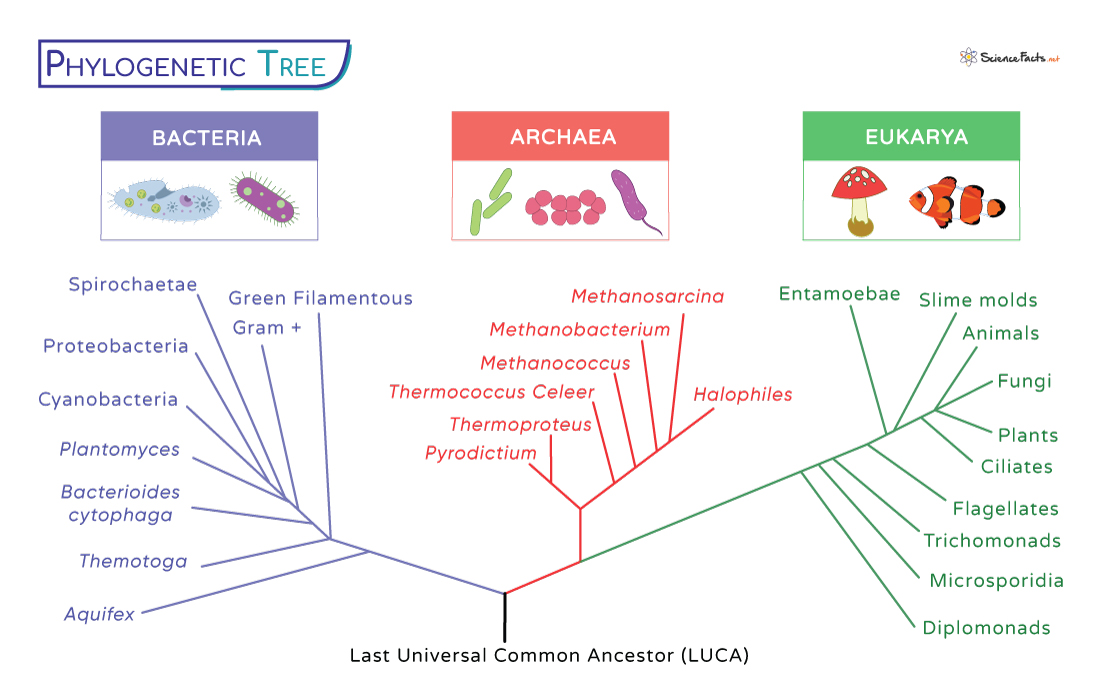
Phylogenetics studies how organisms evolve with time. But how can we visualize how organisms evolve from one another? Well, what if we were to visualize all organism’s genetic history as starting out from a root (the first single-celled organism) and then evolving outwards in a tree-like structure? This is the idea behind Phylogenetic Trees and it’s one of the most standard ways to display an organism’s evolutionary history.

Phylogenetics

Phylogenetics

Phylogenetics

10/10/24

“How can we use genetics to study the evolutionary history of life?”

Genetics can tell us a lot about an organism. One of the things it can do is tell us about the evolutionary history of life and how organisms became the way they are. This field of science is called Phylogenetics.

Biodiversity Collapse

Biodiversity Collapse

Biodiversity Collapse

10/09/24

“What happens when the biodiversity of an ecosystem collapses?”

Biodiversity loss is a tragedy. When enough biodiversity loss happens, it can set off a domino effect that leads to a Biodiversity Collapse where a healthy environment becomes unable to be maintained. 

Biodiversity Loss

Biodiversity Loss

Biodiversity Loss

10/08/24

“What happens when an animal or plant species goes extinct?”

The total summation of plant and animal genes makes up an area’s biodiversity. When a species dies out, the total amount of biodiversity goes down. This creates something called Biodiversity Loss.

Biodiversity Hotspots

Biodiversity Hotspots

Biodiversity Hotspots

10/05/24

“What are some of the most biodiverse yet threatened ecological spots in the world?”

Species of plants and animals live all across the world. However, some places have a large nucleus of biodiversity with a plethora of endemic species. These Biodiversity Hotspots are also some of the most threatened spots on the planet. Examples of biodiversity hotpots include the Western Cape and the Caucasus Mountains.