Month: October 2025

Biological Yield (Wastewater Treatment)

Biological Yield (Wastewater Treatment)

Biological Yield (Wastewater Treatment)

10/31/25

“How can we quantify how much microorganism biomass increases given a certain amount of organic material in a wastewater treatment plant?”

Microorganisms consume organic material from BOD Loading to create more microorganism mass. The amount of microorganism mass created per a given substrate concentration, also known as the Biological Yield, is governed by the equation Y = dX/dS, Where Y is the biological yield (measured in mg Vss/mg BOD), dX the increase in biomass concentration (mg/L), and dS the decrease in substrate concentration (mg/L). The higher a wastewater treatment system’s yield, the higher its ability to handle sludge  

Clarifier Feed Wells

Clarifier Feed Wells

Clarifier Feed Wells

10/30/25

“What regulates incoming wastewater distribution into a clarifier?”

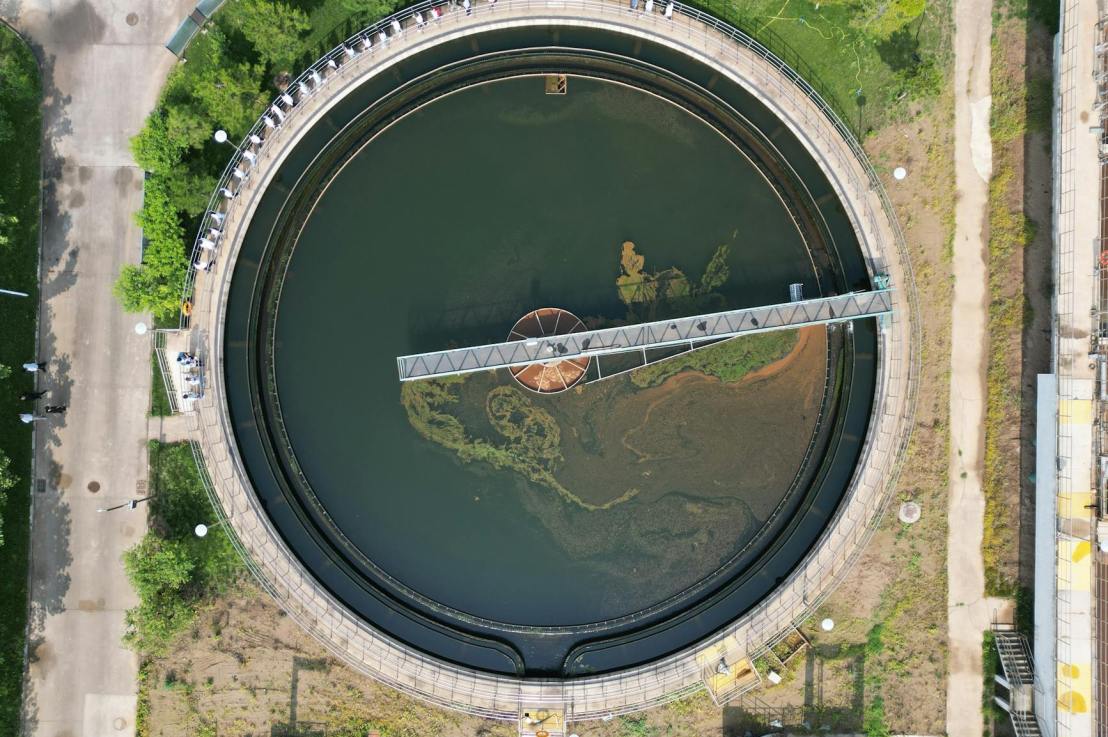
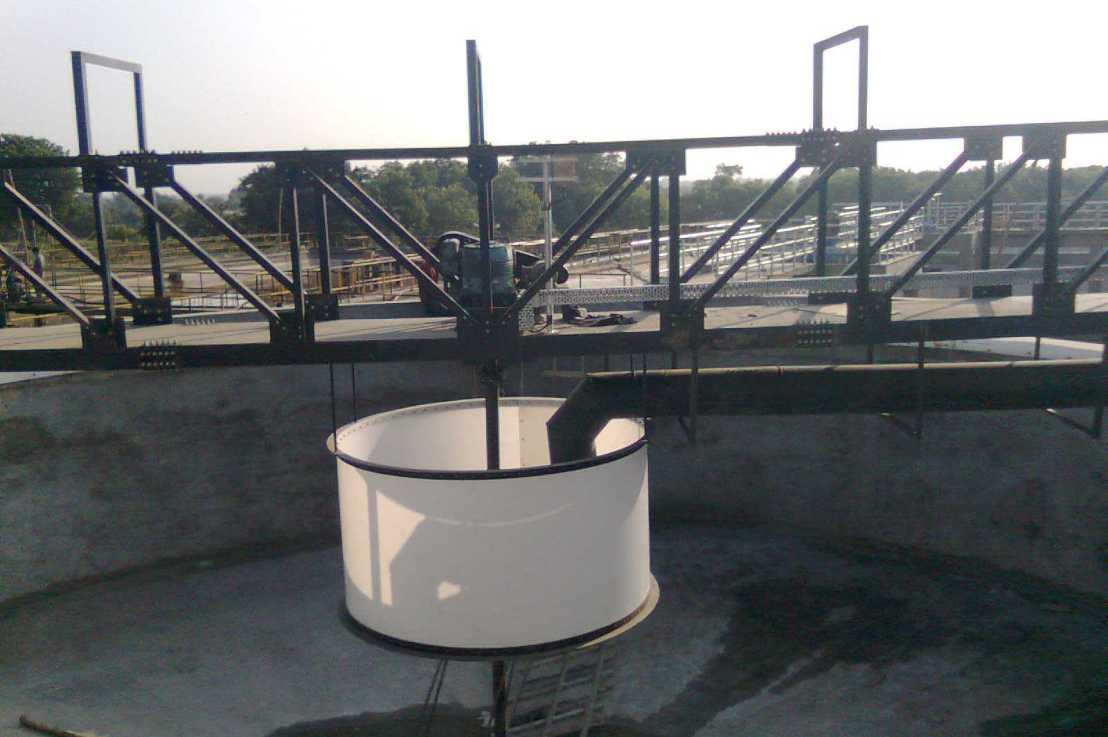
Clarifiers are an essential component of a wide range of wastewater treatment systems. However, to work effectively, the incoming wastewater must slow down and be distributed evenly throughout the clarifier, allowing sludge particles to settle well. To achieve this, wastewater engineers have built cylindrical structures around the inlet, right at the center of the clarifiers, called Clarifier Feed Wells. These clarifier feed wells typically have openings surrounding their body to modulate the exit flow, decreasing turbulence and improving settling. Clarifier feed wells are a fraction of the clarifier dimensions.

Image credit: https://3.imimg.com/

Municipal Bonds for Infrastructure

Municipal Bonds for Infrastructure

Municipal Bonds for Infrastructure

10/29/25

“How can governments create loans to pay for infrastructure projects?”

One of the most discussed subjects in local politics is infrastructure investment. Whether it’s planning new metro stops for commuters, creating green infrastructure for flood resilience in a marginalized community, or building a new wastewater treatment plant for a rapidly growing community, infrastructure is a core part of the public conversation. However, building these projects requires large capital investments that municipal governments may not have on hand. So what can they do? Well, governments have the power to issue Municipal Bonds for Infrastructure, or loan requests to finance specific projects. Investors can purchase these bonds by lending the required principal to governments, who can then use to fund their projects. Governments can repay these loans through raising tax revenues (known as a General Obligation (GO) Bond) or through revenue generated by the infrastructure investment (Revenue Bond). Loan providers like municipal bonds because interest on municipal bonds is generally exempt from federal taxes (and possibly state and local taxes if the loan provider is based in the same state/municipality, respectively). Interest rates on municipal bonds are typically lower because of these tax benefits. Municipal bonds for infrastructure are a cornerstone of modern infrastructure development, given the exponentially increasing need for new public works.

Weir Overflow Rate

Weir Overflow Rate

Weir Overflow Rate

10/28/25

“How can we measure how much wastewater passes over a weir per length?”

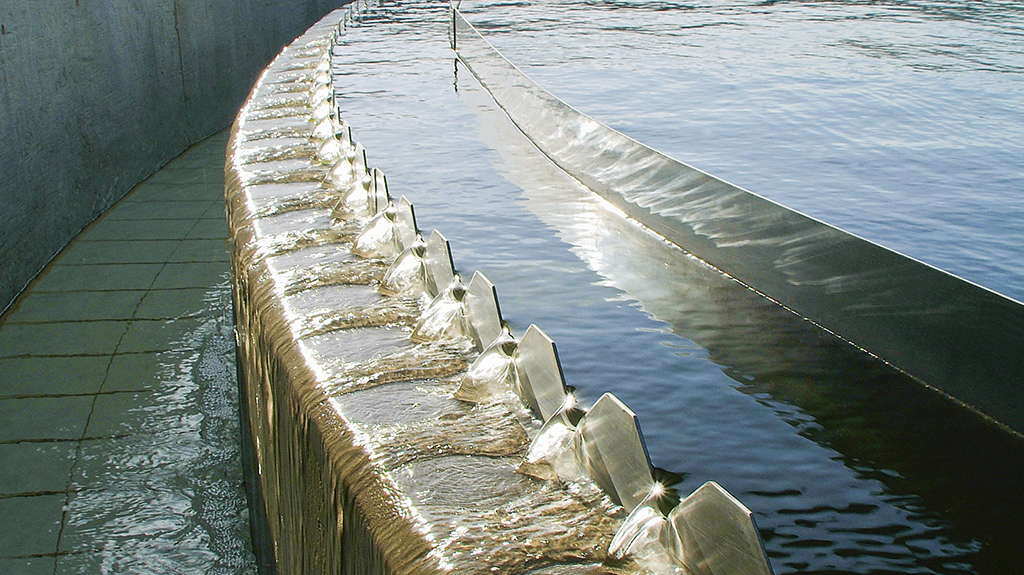
Clarifiers slow wastewater flow speeds to ensure suspended solids float to the bottom and clean effluent rises to the top. Weirs are built into the perimeter of clarifier outlets to ensure the exit flow stays smooth and even. The amount of flow exiting per weir length, known as the Weir Overflow Rate, determines if the system is functioning normally or if flow is too quick and potentially carrying solids. Weir overflow rate is an important variable that all environmental engineers must consider when designing and monitoring clarifiers.

Image credit: https://www.westechwater.com/

Stabilization Ponds

Stabilization Ponds

Stabilization Ponds

10/27/25

“How can we use ponds to treat wastewater?”

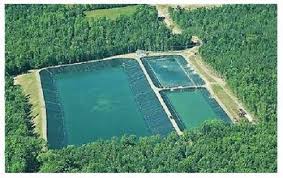
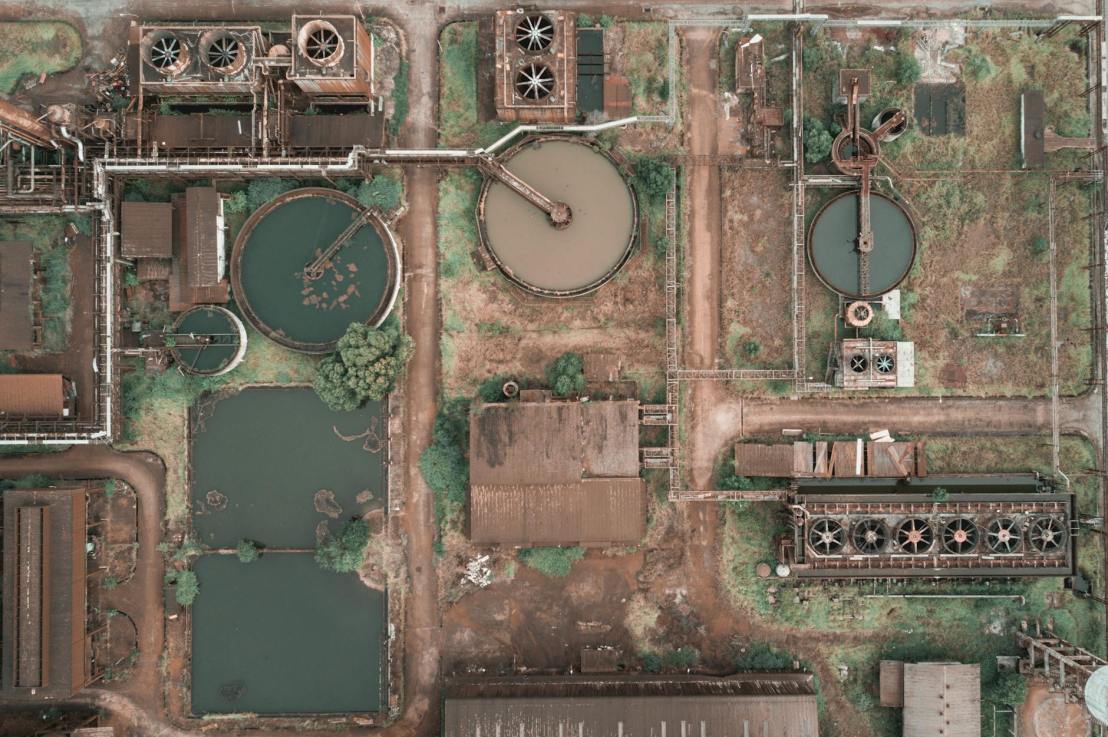
It’s common for people to associate “modern” wastewater treatment with towering industrial plants that look like they’re straight out of a Martian civilization. But what if I told you that ponds could also serve as effective wastewater treatment? Essentially, ponds can have bacteria that consume the organic matter in wastewater, producing cleaner effluent and carbon dioxide. Algae in the pond can absorb the CO2 and transform it into oxygen to feed the organic-matter-eating bacteria. These systems, known as Stabilization Ponds, are incredible for low-energy, high-land availability communities often found in numerous developing countries.

Image credit: https://encrypted-tbn0.gstatic.com/

Sludge Volume Index

Sludge Volume Index

Sludge Volume Index

10/26/25

“How can we quantify the quality of sludge settlement?”

The settlement of sludge in a clarifier indicates treatment process effectiveness. We can quantify this effectiveness by finding the ratio between the volumetric density of sludge that settles (30-minute settled solid volume) and the total suspended solids in the sample (mixed liquor suspended solids) to obtain the Sludge Volume Index. Lower sludge volume indices indicate dense, well-contained settling, while higher values exemplify lower operational effectiveness.  

30-Minute Settled Sludge Volume (SSV30)

30-Minute Settled Sludge Volume (SSV30)

30-Minute Settled Sludge Volume (SSV30)

10/25/25

How can we observe our secondary clarifier performance in a wastewater treatment plant?

Wastewater treatment plants are the backbone of waste management in countless communities. Their operational performance may vary due to a variety of factors. One way we can test this is by taking a 1-liter sample of the mixed liquor from the system’s aeration tank, pouring it into a container through an Imhoff cone or graduated cylinder, and waiting for 30 minutes. Sludge will settle downwards during this time, coalescing into a quantity that can be measured, known as the 30-Minute Settled Sludge Volume, also referred to as the SSV30. SSV30 is a foundational component of measuring the Sludge Volume Index.

Sludge Retention Time

Sludge Retention Time

Sludge Retention Time

10/24/25

“How can we quantify the average amount of time microorganisms remain in a biological treatment system?”

Many wastewater treatment systems use microorganisms in sludge for treatment. However, these microorganisms will stay in the system only for a certain period of time. So, how can we determine how long, on average, these microorganisms will remain in these systems? Well, what if we were to take the mass of microorganisms present and divide it by the rate microorganisms leave the treatment system? This Sludge Retention Time governs wastewater treatment reactor behavior with the equation Sludge Retention Time = Volume of Reactor Chamber * Mixed Liquor Suspended Solids/(Waste Sludge Flow Rate * Waste Sludge Solids Concentration * Effluent Sludge Flow Rate * Effluent Sludge Solids Concentration). The effluent sludge solids concentration is frequently negligible, so the term is often taken out.

Food to Microorganism Mass Ratio

Food to Microorganism Mass Ratio

Food to Microorganism Mass Ratio

10/23/25

“How can we compare the amount of mass a wastewater treatment plant needs to clean versus the potential it can provide?”

Wastewater treatment plants will have to remove a certain amount of organic compounds, as quantified by the BOD loading rate. At the same time, they have a potential measured by the Mixed Liquor Suspended Solids multiplied by the volume. The ratio between these two variables measures the amount of waste that needs treatment versus the capabilities of the system, much like the “food” that needs to be consumed versus the “hunger levels” of the system. In fact, wastewater experts call this relationship the Food to Microorganism Mass Ratio in light of the metaphor.