
Month: August 2025

Prism Storage (Hydrograph)

Prism Storage (Hydrograph)

Prism Storage (Hydrograph)

08/04/25

“How can we visualize the steady-state water storage of a stream?”

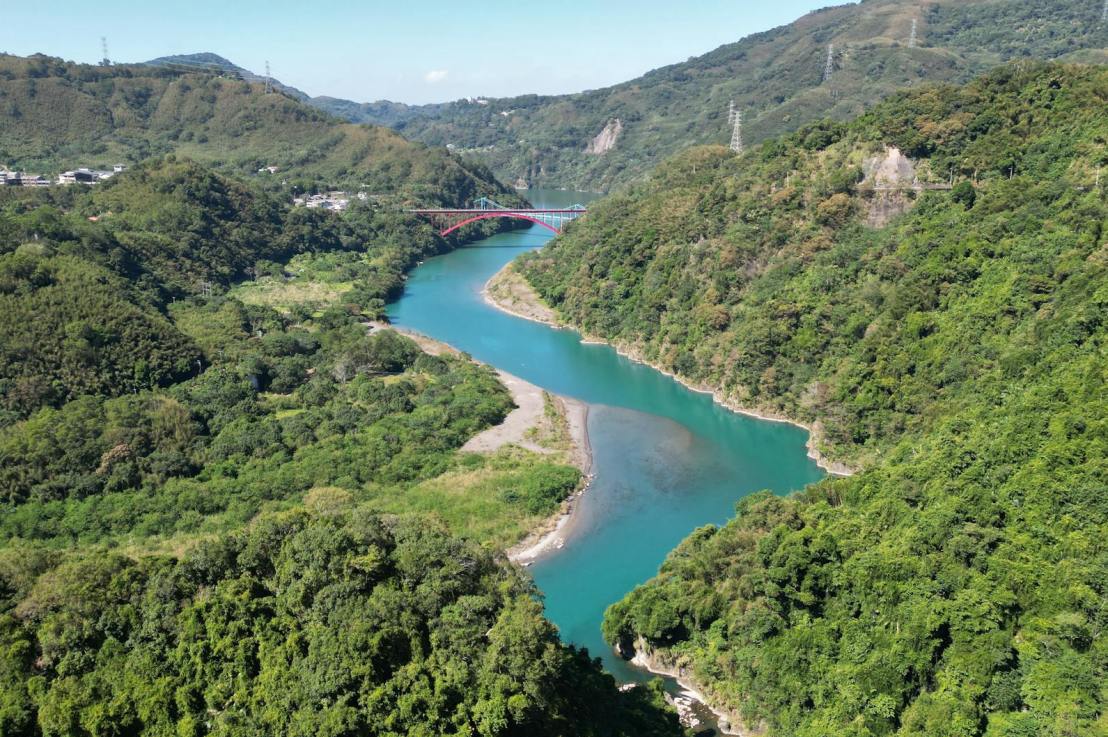
Water streams have a defined path that holds water. When operating under steady-state conditions, these streams will have a uniform profile that we can calculate for water storage known as Prism Storage. Prism storage is a fundamental idea in parts of environmental engineering and can help model numerous real-world situations.
Hydrographs

Hydrographs

Hydrographs

08/03/25

“How can we graph the amount of water predicted to arrive over time?”

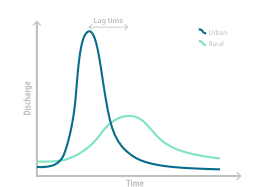
Water comes in and out of zones. Sometimes, we may want to graph how this will change over time. One way to accomplish this is to plot the volume of water on the y axis and the time duration on the x axis to make a Hydrograph. We can use hydrographs to plot both water inflowing to and outflowing from an area to predict how much storage is needed. 

Image credit: https://encrypted-tbn0.gstatic.com/

Hydrological Routing

Hydrological Routing

Hydrological Routing

08/02/25

“How can we predict how the volume of water will move through a confined body over time?”

Water is a dynamic system that can move through confined physical bodies such as streams or storage units. Sometimes, we may want to model how the volumes of water will move throughout confined bodies. This task, known as Hydrological Routing, is vital for designing stormwater management systems and implementing flood controls.

Flood Attenuation

Flood Attenuation

Flood Attenuation

08/01/25

“How can we make sure that flood storage release is less intense than its intake?”

Floods occur all over the world. Unchecked, these phenomena can devastate infrastructure systems. One way to manage them is to temporarily store water and release it later. However, sometimes the water storage intake can be too intense for release. One way to solve this is to implement water slowing interventions such as bioswales or permeable pavement along outflow routes. This Flood Attenuation will lead to a lower peak outflow than inflow that occurs at a later time than the peak inflow. Flood attenuation is critical for flood mitigation and climate resilience measures.