Month: July 2025

Standpipes (Streets)

Standpipes (Streets)

Standpipes (Streets)

07/13/25

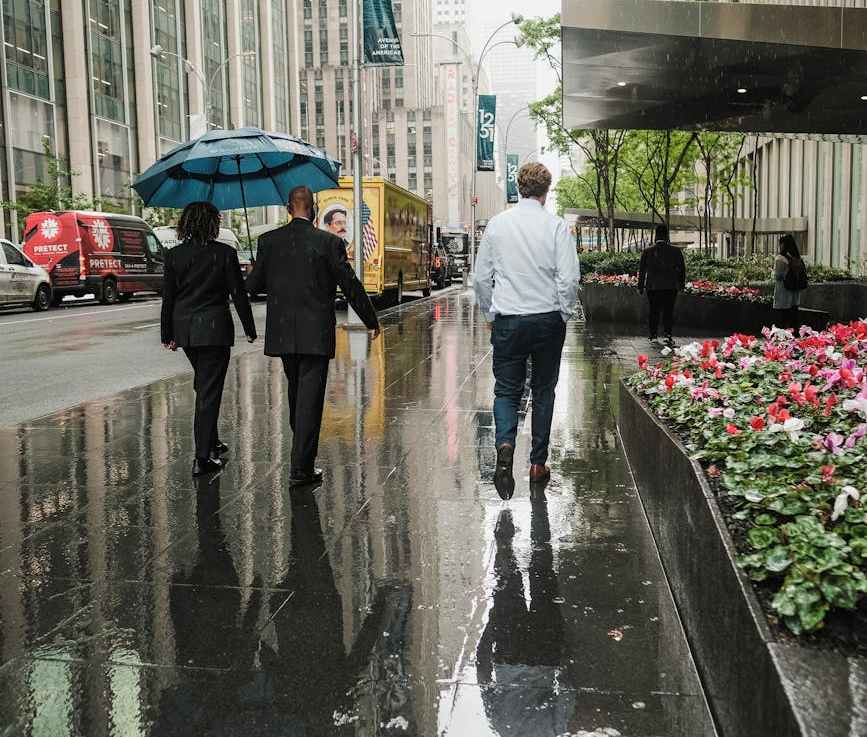
“How can we use pipes to provide water on the street?”

Water is one of the foundations of human civilization. People cannot survive without it. Sometimes, we might need to provide water on the street for people. We can use freestanding pipes outfitted with taps, called Standpipes, to provide instantaneous access to water when necessary.

Image credit: https://encrypted-tbn0.gstatic.com/
Basement Waterproofing

Basement Waterproofing

Basement Waterproofing

07/12/25

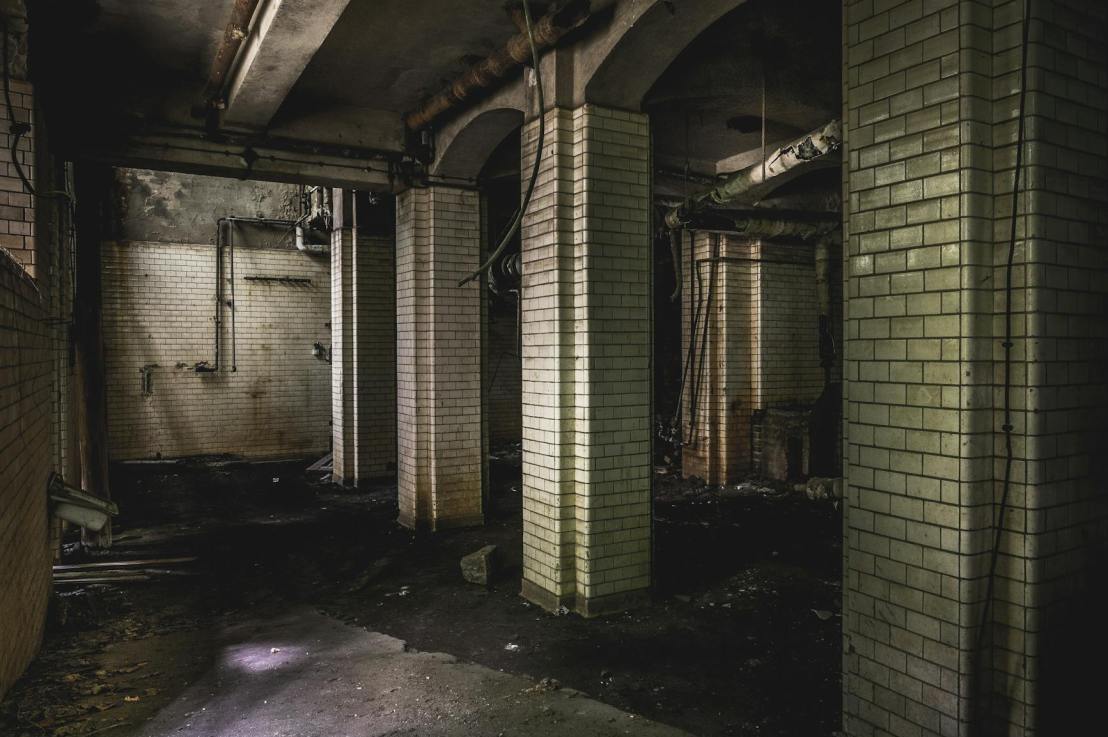
“Why do we need to waterproof our basements?”

You can find basements in buildings all over the world. These subterranean floors allow for larger storage, cooking, and even living facilities. However, flooding can occur in basements and create structural damage, mold, and property destruction. People can apply Basement Waterproofing techniques such as sump pits and sump pumps to ensure the safety of the building.

Sump Pits

Sump Pits

Sump Pits

07/11/25

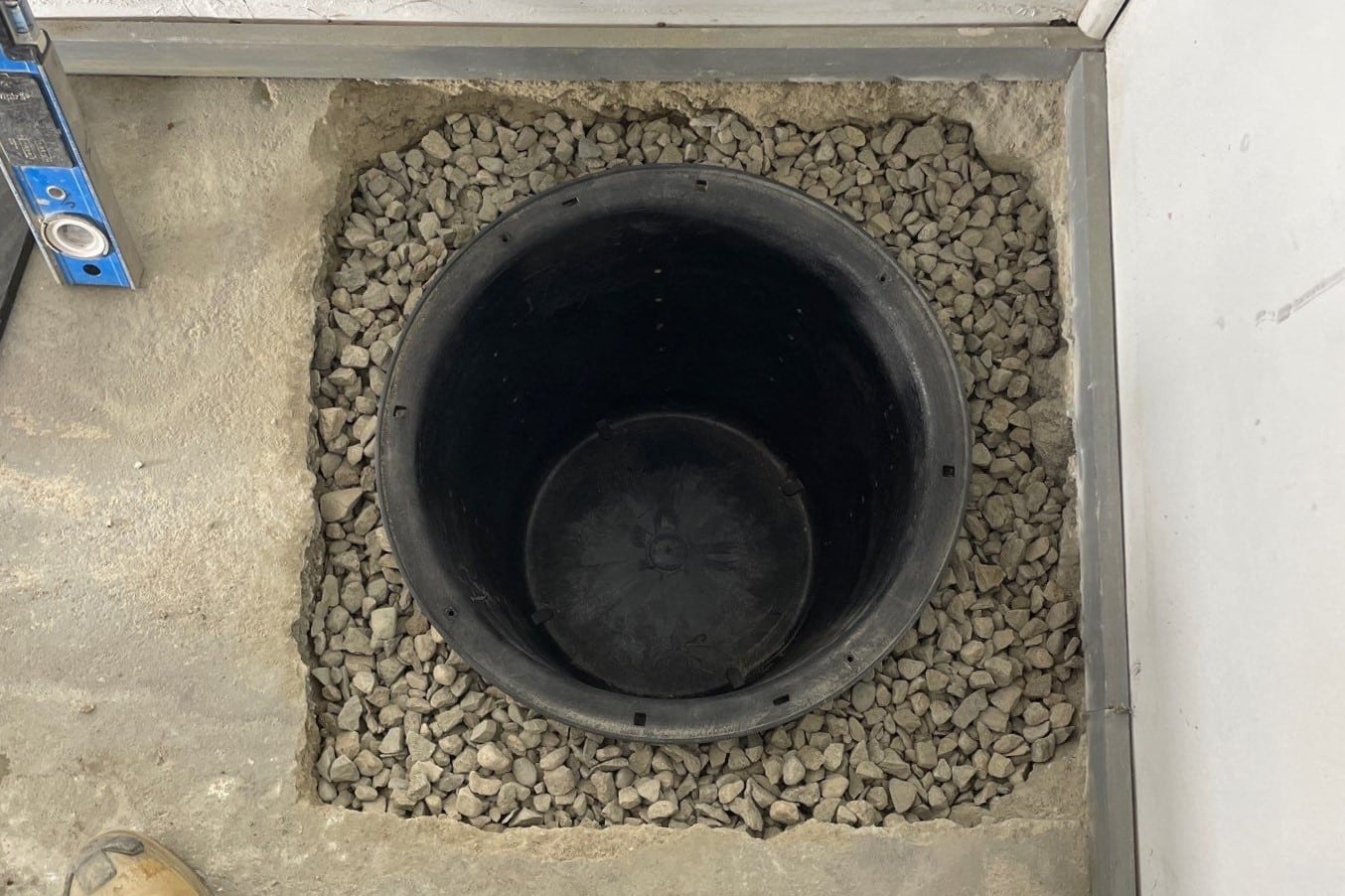
“How can we dig a pit to collect water for later discharge?”

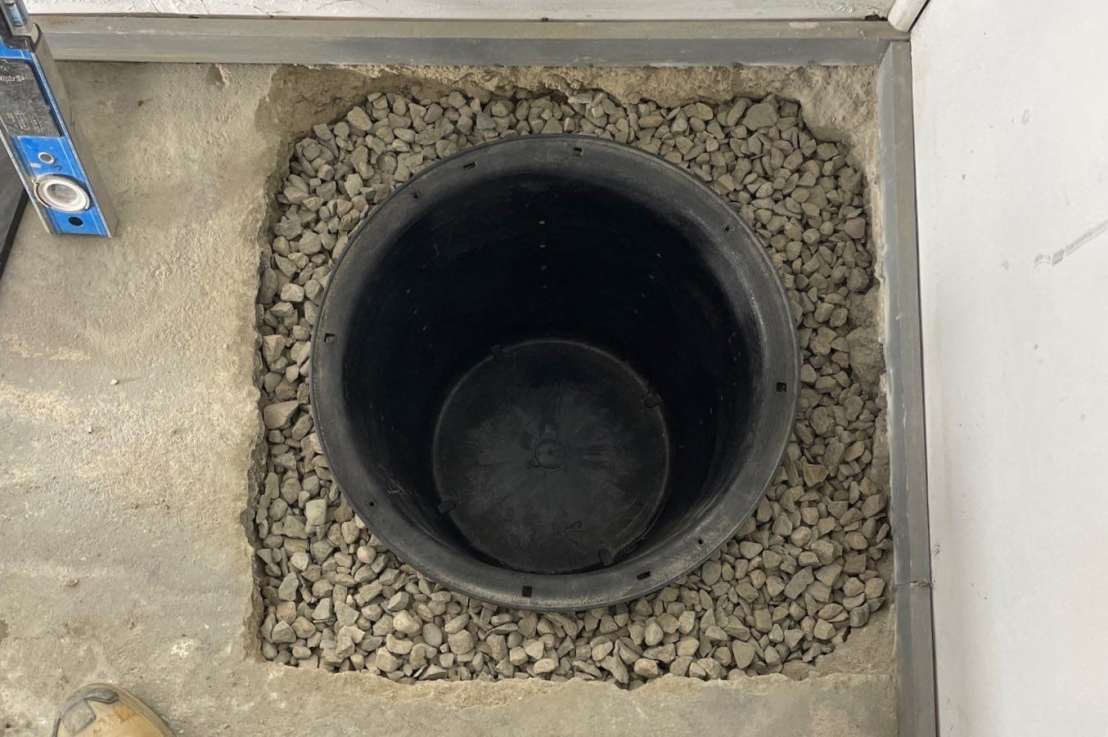
Too much water on a building’s floor can lead to a multitude of problems, ranging from mold to physical collapse. So what can we do to solve this? Well, what if we were to create a pit in the ground to hold the water and then discharge it later? This technique, known as Sump Pits, is an affordable way to manage stormwater in the built environment.

Image credit: https://drycretewp.com/wp-content/uploads/sump-pit.jpg

Sump Pumps

Sump Pumps

Sump Pumps

07/10/25

“How can we pump out water from basements and construction sites?”

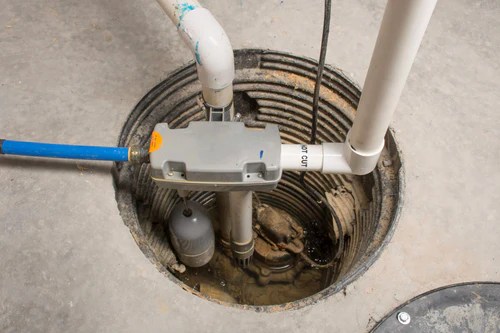
Water can accumulate in basements and construction sites and lead to long-term structural damage. One way to solve this is to install a pump in a sump pit and pump the water out. These devices, commonly referred to as Sump Pumps, are a choice for people to control water in the built environment.

Image credit: https://www.freshwatersystems.com/

Marine Protected Areas

Marine Protected Areas

Marine Protected Areas

07/09/25

“How can we protect marine ecological areas?”

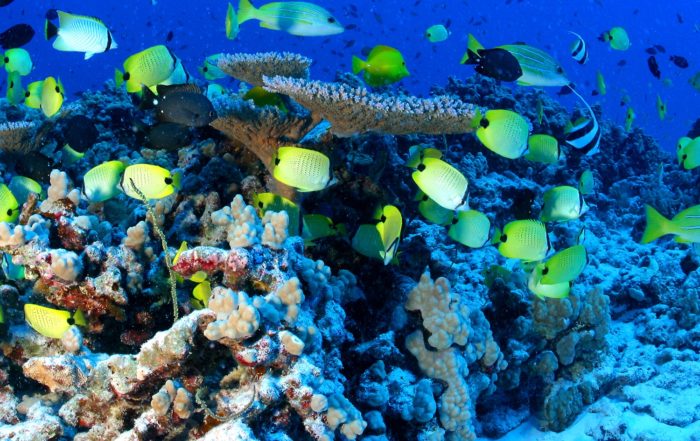
Industrial activity in marine areas can destroy ecosystems. One way to prevent this is to limit all human activities that don’t contribute to ecological and cultural conservation. Governments and international bodies establish these Marine Protected Areas to ensure ecosystem stability.

Image credit: https://marinesanctuary.org/

Construction Stormwater Pollution Prevention Best Management Practices

Construction Stormwater Pollution Prevention Best Management Practices

Construction Stormwater Pollution Prevention Best Management Practices

07/08/25

“What are the best management practices for stormwater pollution from construction activity?”

Construction projects can release pollution into water bodies through stormwater. So what can we do to prevent this? Well, over time, engineers, planners, and architects have developed Construction Stormwater Pollution Prevention Best Management Practices, or BMPs to deal with these problems. Common BMPs focus on reducing soil erosion, reducing sediment loss, and managing materials and waste. Examples BMPs include silt fences, sediment basins, and bare ground stabilization.

Tidal Bores

Tidal Bores

Tidal Bores

07/07/25

“How can ocean tides flow into rivers?”

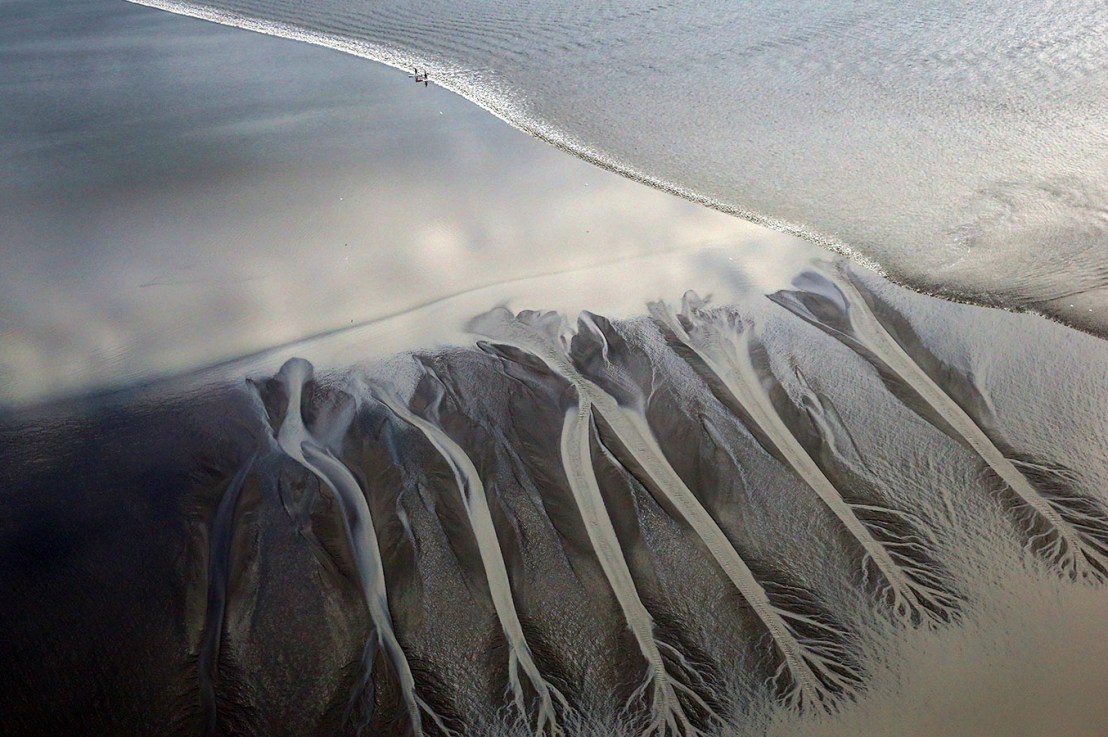
Rivers pour water from high elevations into deeper bodies of water like oceans. Oceans have waves that crash into land. When a place with a high tidal range and a shallow river or Bay inlet, the ocean tides can push into the river in the opposite direction of river water flow. These Tidal Bores are fascinating phenomena that can upset the local hydrological system.

Image credit: https://cdn.hswstatic.com/

The Fly River

The Fly River

The Fly River

07/06/25

“What is the largest river in the world without a dam in its catchment?”

Rivers come in all shapes and sizes. The largest river in the world without a dam in its catchment is the The Fly River in Papua New Guinea. The river has a total length of 1,060 km (~660 miles), originates in the Victor Emanuel Range of the Star Mountains Papua New Guinea’s central highlands, and has a delta at its entrance. The Fly River is host to Indigenous communities and forms the border between Papua New New Guinea and Indonesian-occupied West Papua.

Image credit: https://travellingartist.wordpress.com/

NYC Unified Stormwater Rule

NYC Unified Stormwater Rule

NYC Unified Stormwater Rule

07/05/25

“How can NYC unify its stormwater regulations to cover both its combined and separated sewers under one regulation?”

Historically, NYC regulated stormwater in its combined sewer overflows differently than its municipal separate stormwater sanitary systems. But on February 15, 2022, NYC unveiled its NYC Unified Stormwater Rule. This regulation brought RCNY Title 15 Chapter 19.1 enforcement to the entire city and reduced the minimum qualification to 20,000 square feet. This shifted NYC’s stormwater pollution focus from off-site treatment to on-site treatment, putting NYC on a path to a more just and sustainable future. The NYC unified stormwater rule can increase equity in environmental justice communities due to their sizable presence in older combined sewer overflow neighborhoods.