Month: July 2025

Soil Compaction

Soil Compaction

Soil Compaction

07/22/25

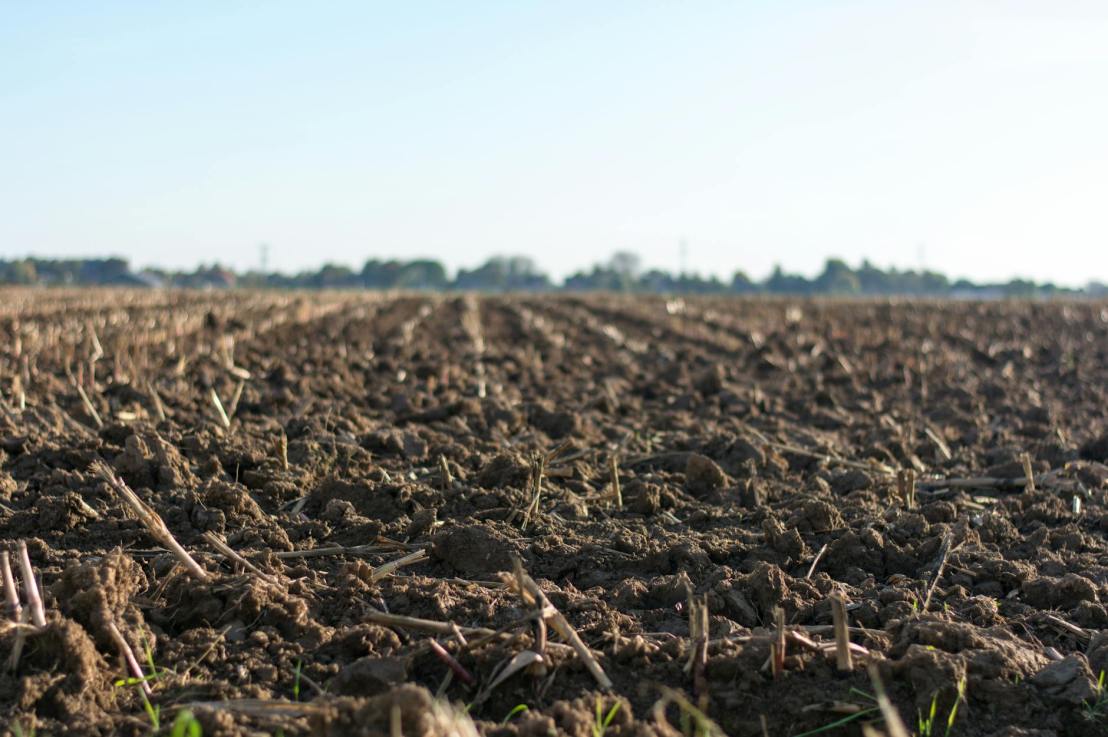
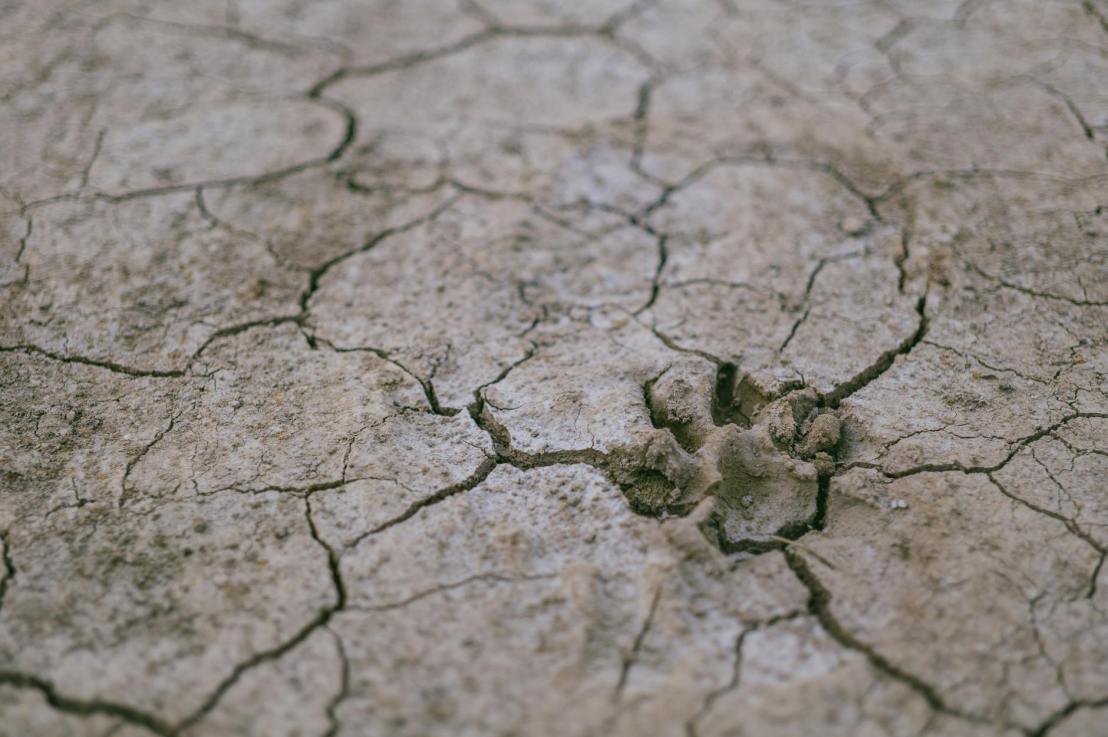
“What happens to soil when its particles are pressed together?”

Soil is one of the foundations of terrestrial life on Earth. Soil’s porosity allows for water infiltration and drainage. But when soil particles are crushed together, they lose much of their porosity, leading to worse drainage, which can stifle plant growth and increase stormwater runoff/soil erosion. This Soil Compaction is a major problem for agricultural and stormwater management and requires amelioration to minimize damage.

Water Quality Volume

Water Quality Volume

Water Quality Volume

07/21/25

“How do we classify the amount of stormfall runoff that we want to capture and clean?”

Stormwater runoff is infamous for carrying pollution to water bodies. Infrastructure operators will need to size the volume of stormwater they plan to hold and treat before releasing to the environment. But how can they do this? Well, we know that we will need to treat most storm events (let’s say 90 percent), but not all storm events, otherwise it would be too expensive. And we also know that we will need to treat a certain area that we’re designing for, and that a certain amount of runoff may get absorbed. Well, what if we were to combine these factors into a single variable? Well, this is the idea behind Water Quality Volume. Water quality volume is given by the equation WQV = R_V*P*A, where R_V is the volumetric runoff coefficient (the percentage of runoff that is generated by a single rain drop), P the 90th percentile rainfall depth, and A the area that’s drained.

Construction Stormwater Pollution Sources

Construction Stormwater Pollution Sources

Construction Stormwater Pollution Sources

07/19/25

“What are the sources of construction stormwater pollution?”

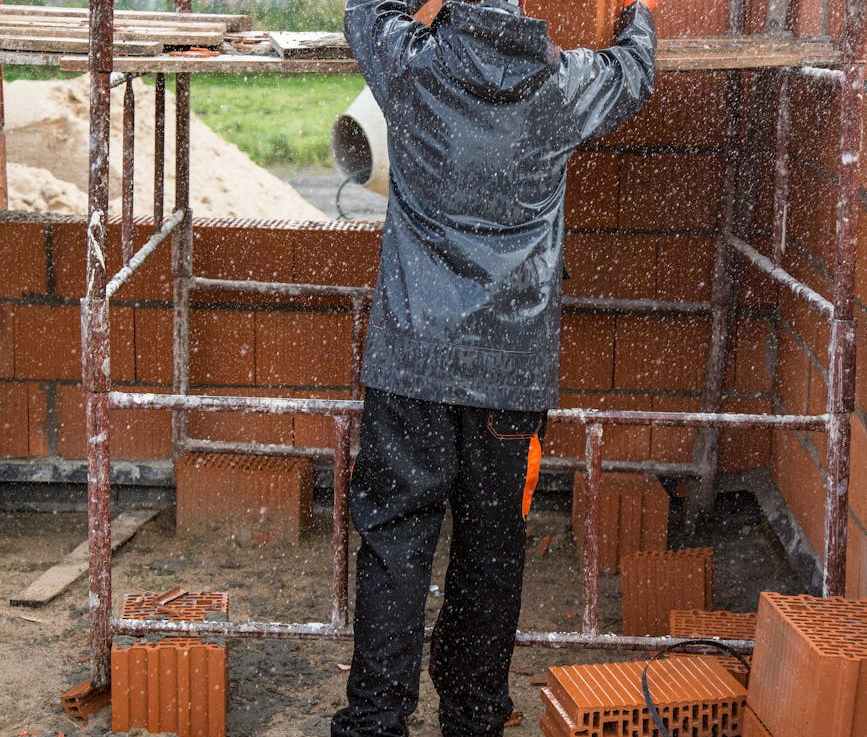
Construction projects uproot and compact soil, alter drainage patterns, and produce waste/hazardous materials. Construction managers need to watch out for these Construction Stormwater Pollution Sources in their stormwater pollution prevention plans.

Hydrologic Soil Groups

Hydrologic Soil Groups

Hydrologic Soil Groups

07/18/25

“How can we classify soils based on infiltration potential?”

Different soils will have different structures. Consequently, some soils will become saturated with water more quickly and become more vulnerable to runoff. We can classify these by Hydrologic Soil Groups, sorted from A (the highest infiltration/lowest runoff potential when thoroughly wet) to D (the lowest infiltration/highest runoff potential when thoroughly wet).

Stormwater Pollution Prevention Plans

Stormwater Pollution Prevention Plans

Stormwater Pollution Prevention Plans

07/17/25

“How can we make plans to prevent new construction from polluting stormwater runoff?”

Construction activities such as soil tillage, hazardous material storage, and waste disposal can create pollutants that are carried into water bodies by stormwater. This can turn into a major environmental and public health problem if no regulations exist. Thankfully, in the U.S, new construction projects are required to submit a Stormwater Pollution Prevention Plan by the National Pollutant Discharge Elimination System (NPDES) permit program established under the Clean Water Act. Stormwater pollution prevention plans must include a site map, construction sequencing of the expected activities, potential pollution sources, best management practices undertaken to prevent pollution discharge, and supporting hydrological calculations.

Alluvial Rivers

Alluvial Rivers

Alluvial Rivers

07/16/2025

“What exactly makes rivers composed of loose sediment special?”

Rivers move loose sediment through their powerful flow. If the riverbed and riverbanks are made of sediment, then the river can actively shape its own geometry. These river types, called Alluvial Rivers, create meandering paths and may periodically flood nearby riverbanks.

Tidal Range

Tidal Range

Tidal Range

07/15/2025

“What is the difference between high and low tide?”

The height of tidal bodies of water will vary between high tide and low tide. The height difference between them is known as the Tidal Range. Knowing the tidal range is value is critical for coastal management.

Standpipes (Firefighting)

Standpipes (Firefighting)

Standpipes (Firefighting)

07/14/25

“How can we have water ready for firefighting on higher floor levels?”

Buildings catching fire are dangerous. Water needs to be readily available to put out the inferno. But if a fire breaks out on higher floors, it can be difficult to pump water to the necessary height to extinguish it. One way to solve this is to create piping that water hoses can attach to, with water ready to extinguish anything. These connections are called Standpipes and are used for firefighting around the world.