Month: May 2025

Cold Ocean Currents

Cold Ocean Currents

Cold Ocean Currents

05/29/25

“Why do some ocean currents carry cold water?”

Ocean currents carry water from all over the world. The sun’s position near the poles tends to bring cold water in these currents. These Cold Ocean Currents play a decisive role in the climate of nearby landmasses. If a cold ocean current is close to a landmass, it will cool the land and add moisture to the atmosphere. Because of global water circulation, cold ocean currents are more likely to form on the western side of continents than on the eastern side. Examples of Cold Ocean Currents include the California Current and the Benguela Current.

Warm Ocean Currents

Warm Ocean Currents

Warm Ocean Currents

05/28/25

“Why do some ocean currents carry warm water?”

Ocean currents carry water from all over the world. The sun’s rays in the equator tend to bring warm water in these currents. These Warm Ocean Currents play a decisive role in the climate of nearby landmasses. If a warm ocean current is proximate to a landmass, it will warm it up and add moisture to the atmosphere. Because of global water circulation, warm ocean currents are more likely to form on the eastern side of continents than on the western side.

The North Atlantic Current

The North Atlantic Current

The North Atlantic Current

05/27/25

“What makes the Northwestern European climate so mild?”

Northwestern Europe has a much milder climate compared to similar locations at its latitude. But what makes this happen? Well, when the Gulf Stream leaves the U.S. Atlantic coast, it heads northeast towards Europe as The North Atlantic Current. This flush of warmer water heats the local climate and gives Northwestern Europe its signature cool but not cold temperatures. This North Atlantic current is one part of the global circulation of ocean currents.

The Gulf Stream

The Gulf Stream

The Gulf Stream

05/26/25

“Why does the US Southeast receive so many hurricanes?”

The US Southeast always seems to get inundated with hurricanes. But what causes this? Well, starting from the Gulf of Mexico, there is a warm ocean current that moves around Florida and towards the Southeastern part of Virginia. This current, labelled as The Gulf Stream, makes the water warmer for hurricane formation. The Gulf Stream has effects that go far beyond the continental U.S. 

Nor’easters

Nor’easters

Nor’easters

05/24/25

“Why does the Northeast US get periodic storms?”

If you live in the Northeastern US, you’ll probably experience periodic storms in colder months called Nor’easters. What exactly are these storms, and how do they form? Well, when cold, dry air coming from high pressure systems in Canada meets warm, moist water from the Gulf Current, a large low pressure system will form and travel up the East Coast. This will pick up strength from cold weather and bring intense rain or snowstorms along the Northeastern megapolis region. This intricate process is how Nor’easters form.

Natural Harbors

Natural Harbors

Natural Harbors

05/23/25

“What land forms make natural harbors?”

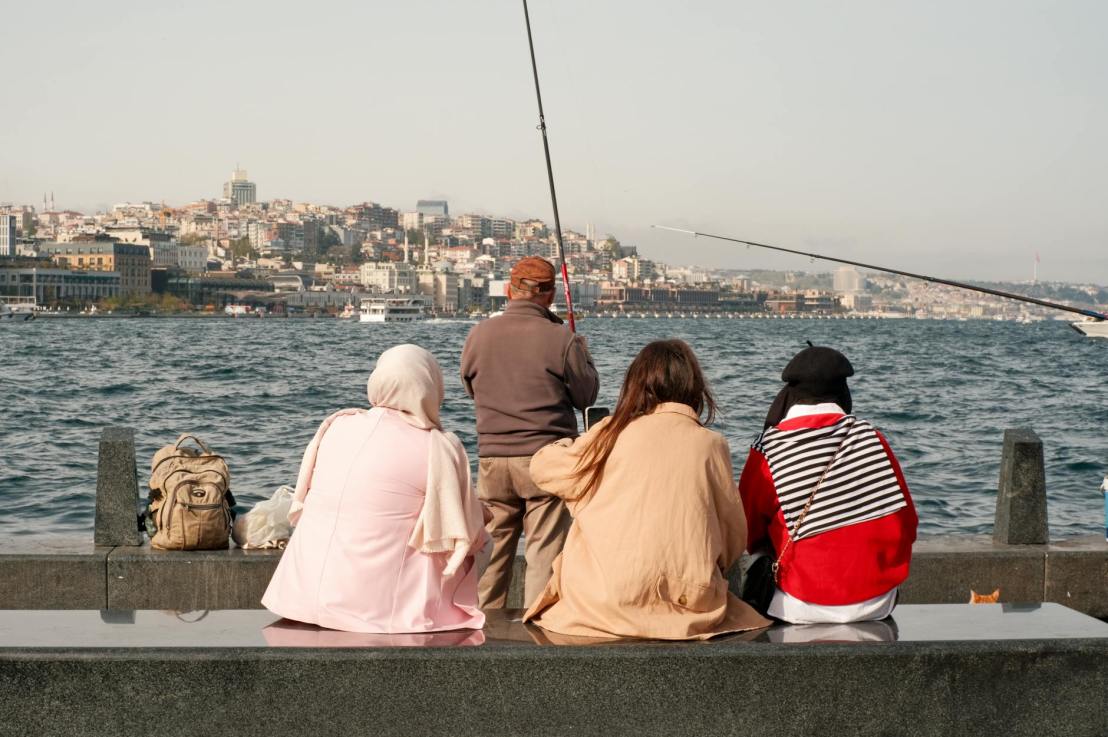
Harbors require protection from rough waters and depths deep enough for ships to navigate. Areas that naturally have these elements are labelled Natural Harbors. Examples of natural harbors include New York Harbor in the northeastern US and the Golden Horn in Istanbul. 

Low Pressure Systems

Low Pressure Systems

Low Pressure Systems

05/22/25

“What causes cold, rainy weather?”

Nearly every location in the world experiences cold, rainy days sometimes. But what exactly causes them? Well, when the atmosphere has low pressure, it sucks up the air underneath like a straw. As the air rises, it cools and has less capacity to hold moisture. This moisture then turns into clouds and releases rain. These Low-Pressure Systems are the reason behind many cloudy days.