Month: March 2025

Water Turbidity

Water Turbidity

Water Turbidity

03/31/25

“How can we measure the cloudiness of water?”

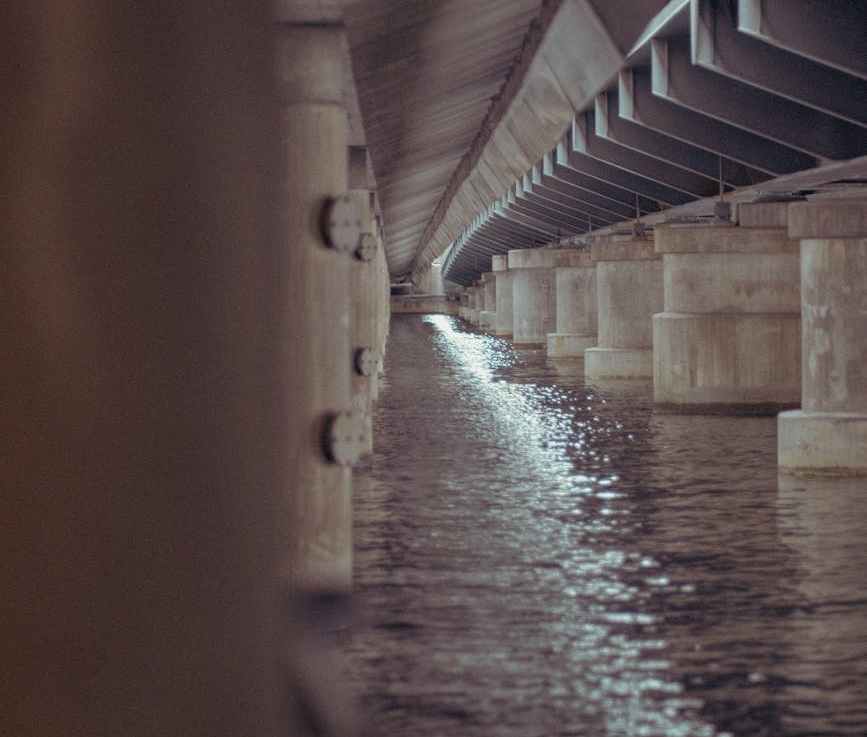
Water comes in varying levels of clarity. One metric, Water Turbidity, measures how much cloudiness is caused by individual particles in a fluid. Increased turbidity is caused by phytoplankton growth, runoff from human activities, and runoff. Water quality tests from all over the world check for turbidity.

Why People Don’t Like Drinking Iron-Contaminated Water

Why People Don’t Like Drinking Iron-Contaminated Water

Why People Don’t Like Drinking Iron-Contaminated Water

03/29/25

“Why don’t people like drinking iron-contaminated water?”

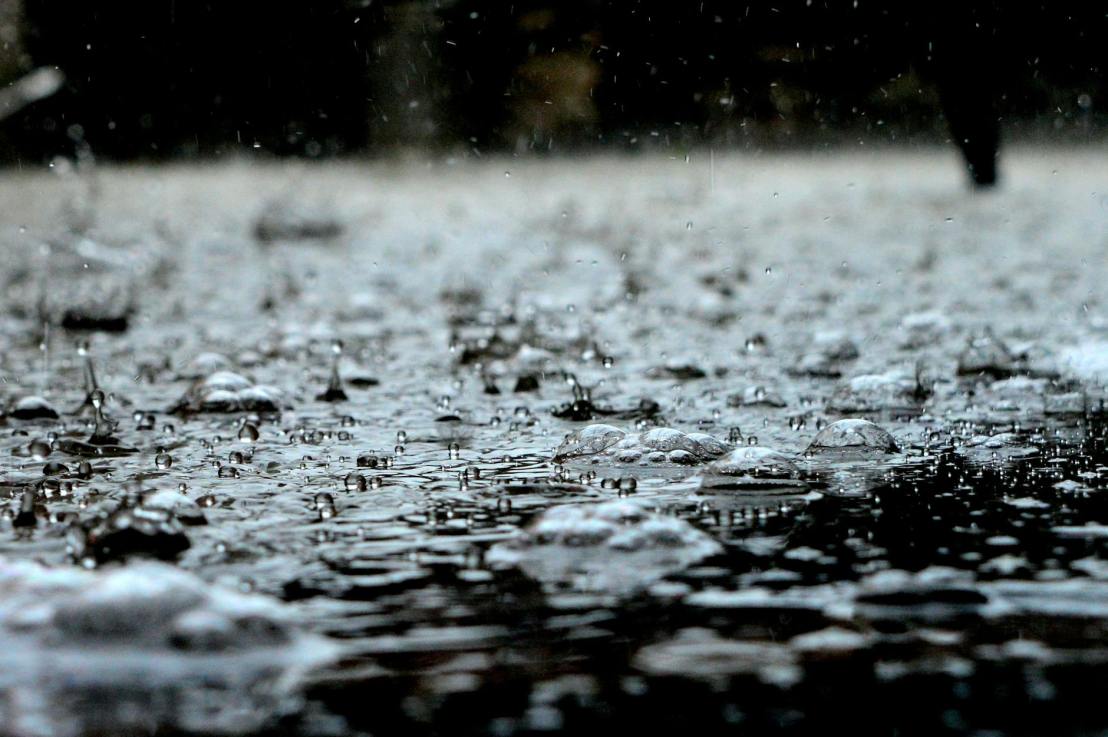
Drinking water contaminated with higher iron levels does not present a health risk. Instead, it causes a metallic taste, poor smell, a rust color in the water and on surfaces it comes in contact with, and small sedimentation in drinking water containers. This is Why People Don’t Like Drinking Iron-Contaminated Water.

Image credit: http://www.cdn.prod.website-files.com

Groundwater Recharge

Groundwater Recharge

Groundwater Recharge

03/28/25

“How do groundwater aquifers get recharged?”

Millions if not billions of humans worldwide depend on groundwater for their daily needs. But how are supplies replenished so the aquifers don’t dry up? Well, water can seep in from the surface through a process called Groundwater Recharge. Groundwater recharge can occur by a variety of means, ranging from rainwater to surface runoff to river flow. Groundwater recharge is affected by climate change, and municipalities will need to take note.

Water Hardness

Water Hardness

Water Hardness

03/27/25

“How do we measure how useful water is for cleaning?”

Water is used for cleaning all over the world. But if there is too much dissolved calcium and magnesium, then it becomes more difficult to use for cleaning. This is quantified by a variable called Water Hardness. Water hardness is measured by the density of calcium and magnesium in a sample.

The Health Effects of Manganese in Drinking Water

The Health Effects of Manganese in Drinking Water

The Health Effects of Manganese in Drinking Water

03/21/25

“What are the health effects of manganese in drinking water?”

Manganese in drinking water can come from a wide range of sources, whether its local industry or naturally occurring minerals. But no matter the case, having too much manganese in drinking water can lead to cognitive and motor skills problems. These are The Health Effects of Manganese in Drinking Water.

Image credit: https://i0.wp.com/bdn-data.s3.amazonaws.com/uploads/2022/08/Berwick-Manganese.jpg?fit=1200%2C675&ssl=1

Why Rivers Were Channeled Into Culverts

Why Rivers Were Channeled Into Culverts

Why Rivers Were Channeled Into Culverts

03/20/25

“Why were rivers channeled into culverts?”

It’s common to hear about the dangers of culverting rivers and the need to daylight these bodies of water. But why were rivers culverted in the first place? Well, the thinking was that open rivers are difficult to control, flood during storms, and prevent construction from taking place. Channeling rivers into a culvert allowed flood control and development to occur. This is Why Rivers Were Channeled Into Culverts.

Manganese Pollution Sources for Drinking Water

Manganese Pollution Sources for Drinking Water

Manganese Pollution Sources for Drinking Water

03/19/25

“What are the sources of manganese pollution in drinking water?”

Manganese pollution in drinking water can be deadly. But where does it come from? In addition to being naturally occurring, it can also originate from steel production, fracking, coal mining, and agriculture. Governing organizations should look out for Manganese Pollution Sources for Drinking Water if the supplies borders one of these land uses.

Image credit: https://harvardpublichealth.org/

Rewilding Landscapes

Rewilding Landscapes

Rewilding Landscapes

03/18/25

“How can we return landscapes to nature?”

Humans cultivate landscapes through all sorts of methods, whether it’s by building physical infrastructure or cultivating specific plant species. But sometimes, we may want to return landscapes to nature. This Rewilding Landscapes process can happen in a number of different ways, from dechanellizing rivers to reintroducing native tree species. Rewilding is a fantastic way to build climate resilience and biodiversity in a region.

Why Your Kidneys Are Like a Water Filtration System

Why Your Kidneys Are Like a Water Filtration System

Why Your Kidneys Are Like a Water Filtration System

03/17/25

“Why are your kidneys like a water filtration system?”

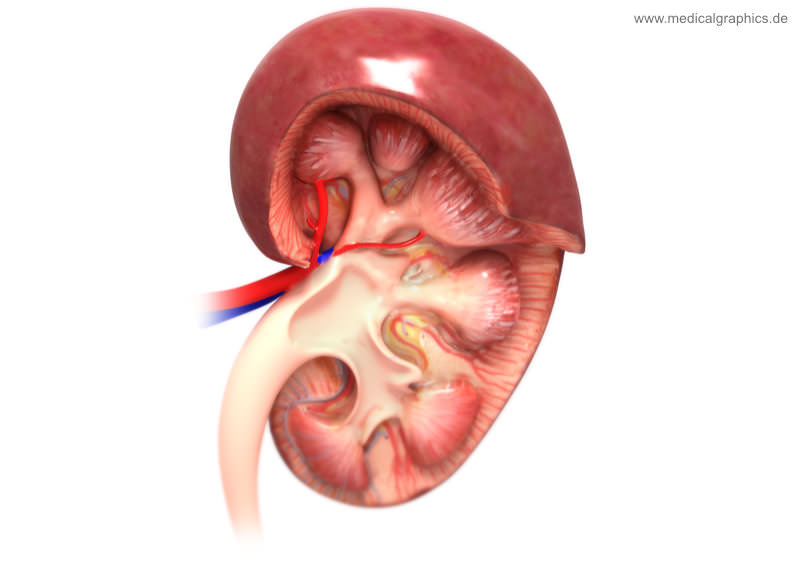
We tend to think of body organs as functioning completely differently than built infrastructure. But this is not always the case. Take the kidneys for example. A kidney filters extra water from incoming into urine, much like how a water filtration system filters contaminants from incoming water. This is Why Your Kidneys Are Like a Water Filtration System.

Image credit https://humanbiology.pressbooks.tru.ca/