Month: February 2025

Bedrock

Bedrock

Bedrock

02/17/2025

“What is the solid base underlying soil and gravel?”

Soil and gravel make up the outermost part of the earth. But what do they rest upon? Well, beneath this loose material is solid Bedrock. Bedrock is the best building foundation, making it well-suited for skyscrapers.

Overlay Zoning

Overlay Zoning

Overlay Zoning

02/16/25

“How can we superimpose new regulations over an existing zoning district?”

Zoning in municipal plans defines what city portions can and cannot do. Sometimes, a city desires to add additional regulations without going through a complex rezoning process. This can be accomplished through Overlay Zoning, where new roles are imposed over an already existing city district. Overlay zoning can be used to designate a minimum amount of affordable housing, label a neighborhood portion as safe for transit-oriented development, and more.

Excavation for Construction

Excavation for Construction

Excavation for Construction

02/15/25

“Why is excavation an essential part of the construction process?”

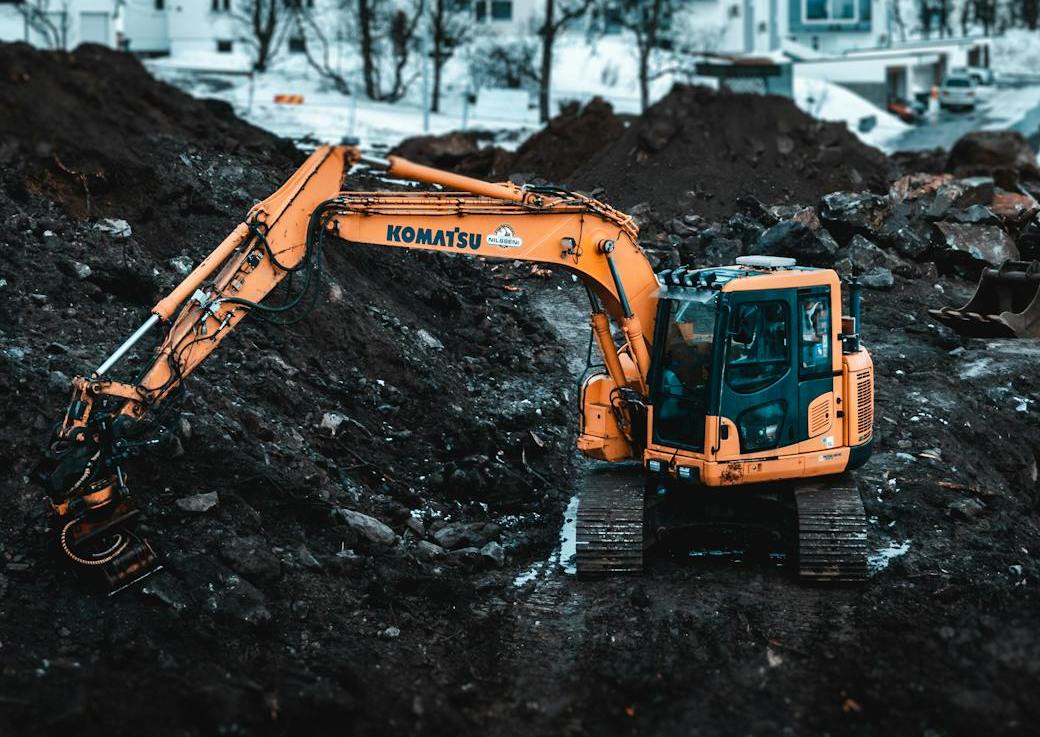
A solid foundation and physical utility connections are essential to any new building. However, the ground itself may not be level to support this without modification. This is typically solved through Excavation for Construction, where soil and rock are removed to prepare for the insertion of building material. Excavation is essential for many construction processes.

Capillary Fringes

Capillary Fringes

Capillary Fringes

02/14/25

“How can capillary action seep groundwater from the water table?”

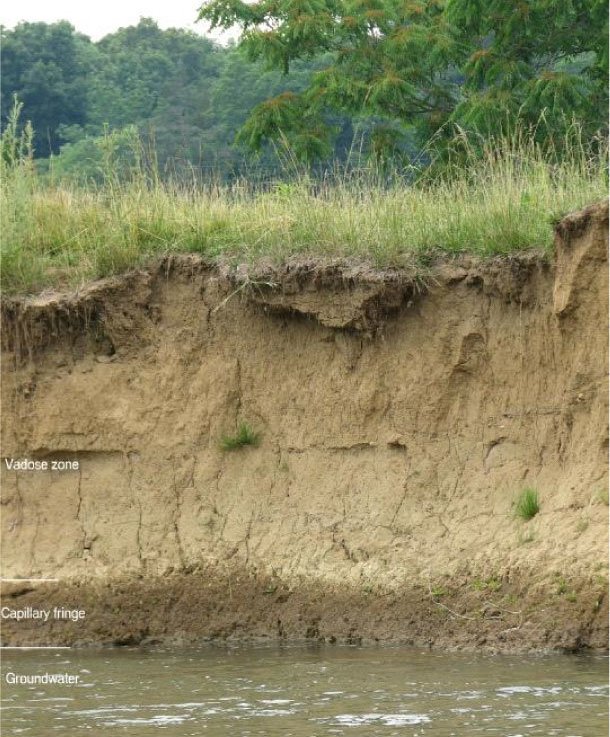
Most water in an aquifer is below the aquifer. But some of it will rise to pores above using capillary action. This layer is called the Capillary Fringe.

Image credit: Xiaolong Geng

Zone of Saturation

Zone of Saturation

Zone of Saturation

02/13/25

“What is the part of the earth that contains groundwater?”

Aquifers contain groundwater that’s covered by a water table. The part of the aquifer that contains the aquifer water under the water table is called the Vadoes Zone. The Vadoes zone is usually made through porous material underground.

Image credit: duraroot.com

Escarpments

Escarpments

Escarpments

02/11/25

“What are the steep slopes at the edge of plateaus?”

Plateaus are a marvel to behold. Their flat summit is contrasted with the massive heights they achieve. But what are the steep slopes at their edges? Well, these are called Escarpments. Escarpments are typically formed by erosion or crust movement cross a fault.

Double Loaded Corridors

Double Loaded Corridors

Double Loaded Corridors

02/10/25

“What is the most common apartment floor plan in the US and Canada?”

Apartments in the US and Canada typically require at least two different staircases. The most common arrangement to accommodate this is the Double Loaded Corridor. Double-loaded corridors have a long hallway with two different staircases on both ends and units on each side. This layout forces apartment units to have unequal amounts of sunlight. Large family-friendly units are only available to be built on corners.

Point Access Blocks

Point Access Blocks

Point Access Blocks

02/08/25

“How can we improve American and Canadian apartments with one simple design rule?”

Most places in Canada and the US require two staircases per 3+ or 4+ story apartment (respectively) to meet fire safety regulations. This forces the floor layout into a double-loaded corridor with small apartments on each side of the central hallway. However, if we were to allow apartments to carry only one staircase, we would have much more flexibility with floor geometries. This small action enables the creation of Point Access Blocks. Point access blocks maximize the usable floor area, allow daylight to hit multiple sides of a building, increase ventilation, and lower cost. The US and Canada can greatly expand affordable multifamily housing by making point access blocks easier to build.