Month: February 2025

Contaminant Transport

Contaminant Transport

Contaminant Transport

02/28/25

“How are contaminants transported?”

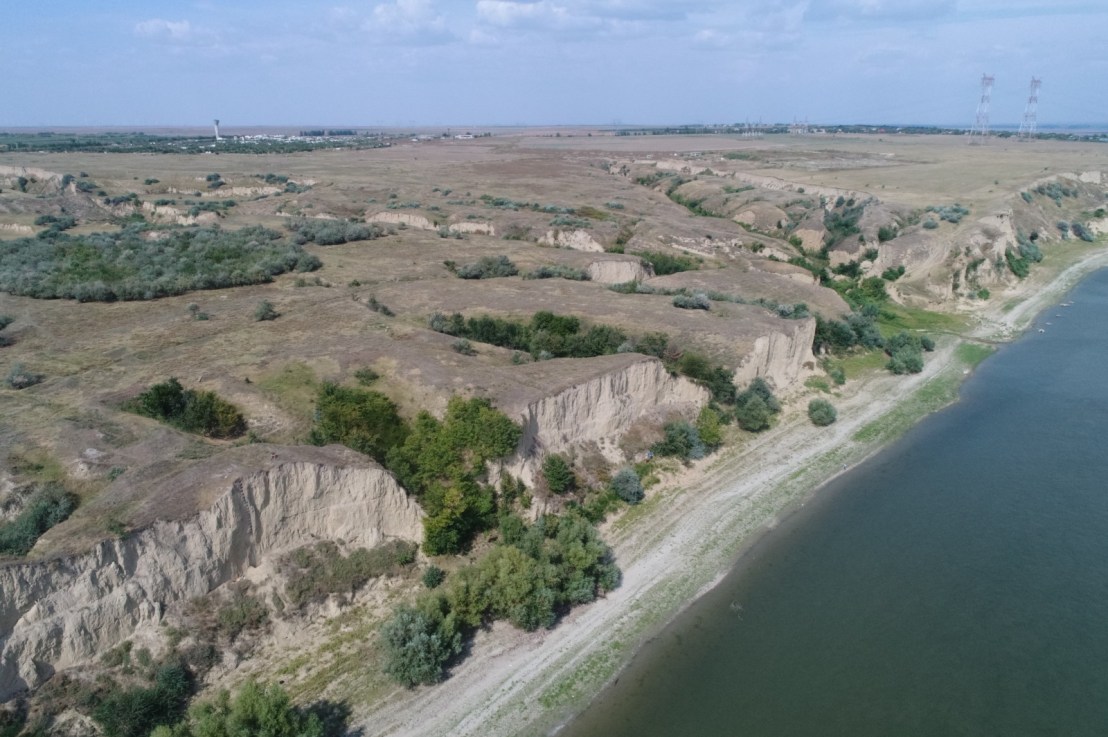
Contaminants can cause massive damage to living organisms. But how do contaminants move from one place to another? Well, through the process of Contaminant Transport contaminants can move through media such as air, water, and soil. 
Plant Communities

Plant Communities

Plant Communities

02/27/25

“How can we describe groups of closely interdependent plants?”

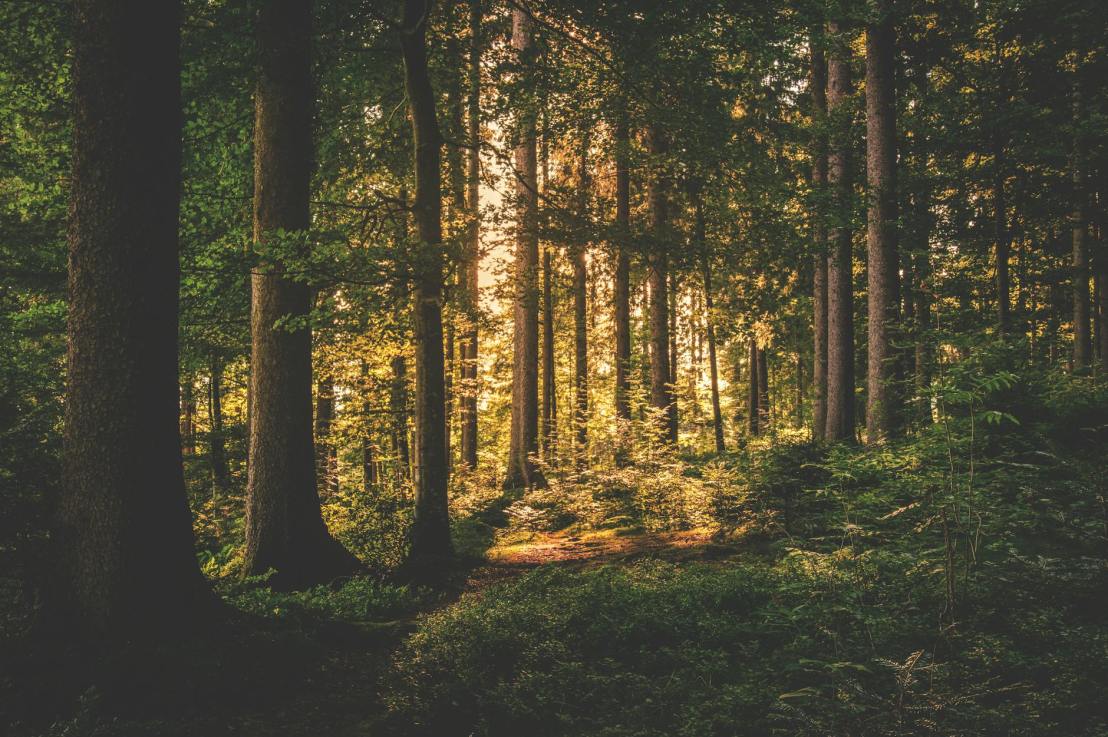
Living beings live in communities. Plants are no exception. Plants that interact interdependently with each other in close geographic proximity form Plant Communities. Plant communities have definite visual boundaries, and form a foundation of ecosystems. 

Landscape Parks (Protected Area)

Landscape Parks (Protected Area)

Landscape Parks (Protected Area)

02/25/25

“How do multiple Central and Eastern European countries classify environmentally protected recreational parks?”

When people talk about environmentally protected areas, they typically refer to large sprawling parks. But for many Central/Eastern European countries, there’s something called a Landscape Park, which is an environmentally conserved part of nature that’s meant for human recreation. These landscape parks are a terrific way to meet the needs of people and the planet.

Image credit: https://upload.wikimedia.org/

Loess

Loess

Loess

02/23/25

“What is one of the most fertile soil types?”

Nature has a myriad of different soil types. Loess is a soil with incredible fertility with its mineral-rich composition and easy water drainage. Loess is composed of fine, wind-blown silt particles, resulting in a “crumbly” texture. Loess soils are found around the Mississippi River Valley, the Yellow River in China, Argentina, and Eastern Europe.

Image credit: https://blogs.egu.eu/

Why Landscape Architects Should Implement Carbon Skins Into Their Work

Why Landscape Architects Should Implement Carbon Skins Into Their Work

Why Landscape Architects Should Implement Carbon Skins Into Their Work

02/22/25

“Why should landscape architects implement carbon sinks into their work?”

Landscape Architects are tasked with creating landscapes to serve functional purposes. One of the most important tasks in the new climate paradigm is to decrease carbon emissions and carbon from the atmosphere. An important step is to create carbon sinks when appropriate. This can range from planting small trees to massive wetland restoration works. This is Why Landscape Architects Should Implement Carbon Skins Into Their Work.

Surface Water

Surface Water

Surface Water

02/21/25

“How do we classify water that’s exposed to the surface?”

Water comes in all shapes and sizes. Water that exists on the surface is known as Surface Water. Rivers, oceans, seas, lakes, and more make up the Earth’s surface water. 

Caulk

Caulk

Caulk

02/20/25

“How can we seal joints and seams against leakages?”

Joints and seams help structures and piping operate. Occasionally leaks will develop. This can be solved by sealing joints and seams with a material called Caulk. Caulk can be made out of a variety of materials, and can improve building performance standards ranging from energy efficiency to infestation protection.

Grout

Grout

Grout

02/19/25

“What substance can we use to fill small gaps in existing structures?”

Gaps may exist within existing structures. These can be filled using a substance called Grout. Grout is a mixture of cement, sand, and water, and starts malleable but solidifies on application. Grout is commonly applied in construction.

Outcrops

Outcrops

Outcrops

02/18/25

“What is exposed bedrock?”

Bedrock is often thought of as something hidden, below the soil. But bedrock can also be exposed to the air, such as with cliffs and escarpments. These are called Outcrops. Outcrops are very useful for studying local bedrock conditions.