Month: January 2025

LEED for Communities

LEED for Communities

LEED for Communities

01/31/25

“How can we certify communities that achieve high sustainability?”

Places with a governing jurisdiction can apply for LEED for Cities to certify their sustainability. But what about communities without a formal governing body, like a neighborhood or college campus? Well, they can apply for LEED for Communities instead! Leed for Communities can be pivotal for pioneering places to achieve recognition for their sustainability efforts.

UV Air Purifiers

UV Air Purifiers

UV Air Purifiers

01/30/25

“How can we use UV lighting for air purification?”

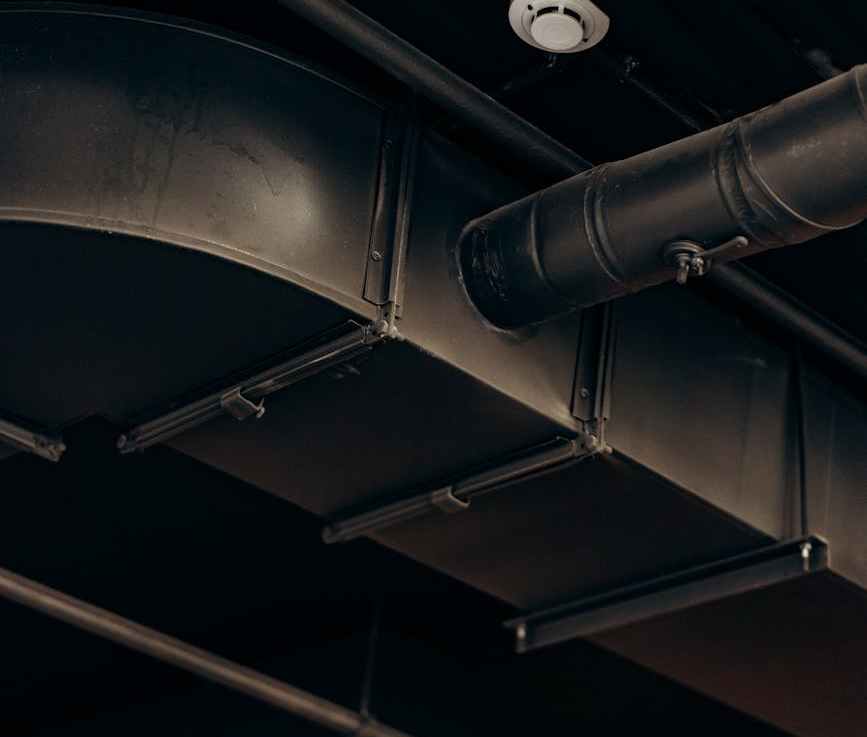
HVAC systems often recycle air inside a building. When one person is sick, they can spread their bacteria and germs throughout the ventilation system and make others ill. How can we use our engineering mindset to solve this? Well, we know that UV lights can kill harmful pathogens. What if we were to use UV lighting as in the air filter? This is exactly how UV Air Purifiers work.

Image credit statewideconditioninginc.com

LEED for Cities

LEED for Cities

LEED for Cities

01/29/25

“How can we certify cities that achieve high sustainability?”

Buildings that achieve high sustainability can apply for LEED certification. But can cities do the same? Well, cities (or any place with a governmental jurisdiction such as a county or town) can evaluate themselves using LEED for Cities. LEED for cities uses criteria ranging from energy and greenhouse gas emissions to water efficiency to quality of life to quantify a city’s sustainability.

HVAC Supply Subloop

HVAC Supply Subloop

HVAC Supply Subloop

01/28/25

“How can we model the energy supply sections of an HVAC system?”

HVAC systems typically use energy to produce heat. There are components of an HVAC system where energy is supplied, such as chillers or heating coils. We can model these as part of the HVAC Supply Subloop in an HVAC loop system.

HVAC Demand Subloop

HVAC Demand Subloop

HVAC Demand Subloop

01/27/25

“How can we model the energy-extraction sections of an HVAC system?”

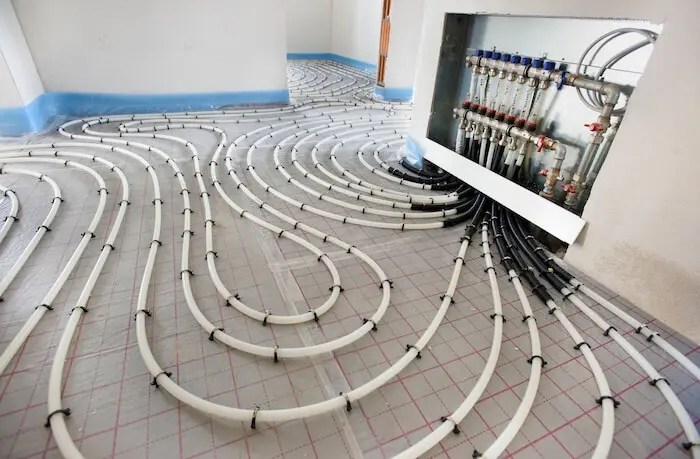
HVAC systems typically use energy to produce heat. There are components of an HVAC system where energy is extracted, such as radiators, under-floor heating, and fan-coil heating units. We can model these as part of the HVAC Demand Subloop in an HVAC loop system.

HVAC Loops

HVAC Loops

HVAC Loops

01/26/25

“How can we model how distribution works in HVAC?”

HVAC systems distribute heat throughout buildings. This is usually modeled through HVAC Loops to show how heat is cycled through.

Single-Pipe District Loops

Single-Pipe District Loops

Single-Pipe District Loops

01/25/25

“How can we use a single pipe for a thermal energy distribution system?”

Geothermal thermal energy networks are a marvel to behold. Their ability to provide carbon-free heating to many buildings makes them a valuable tool in the energy transition. One setup they use is Single-Pipe District Loops. This involves using one pipe to move a heating fluid from building to building. These designs are affordable and can be useful in many different situations. 

Image credit: cdnassets.hw.net

Hydronics

Hydronics

Hydronics

01/24/25

“How can we heat and cool buildings using water?”

Heat transfer can happen between all types of substances. Hydronics uses liquid or gaseous water (or a water-based solution) to cool and/or heat buildings. These setups come in several different forms classified by flow generation, temperature, pressurization, piping arrangement, and pumping arrangement.

Exhaust Manifolds

Exhaust Manifolds

Exhaust Manifolds

01/23/25

“How do cars collect all of their emissions in one place?”

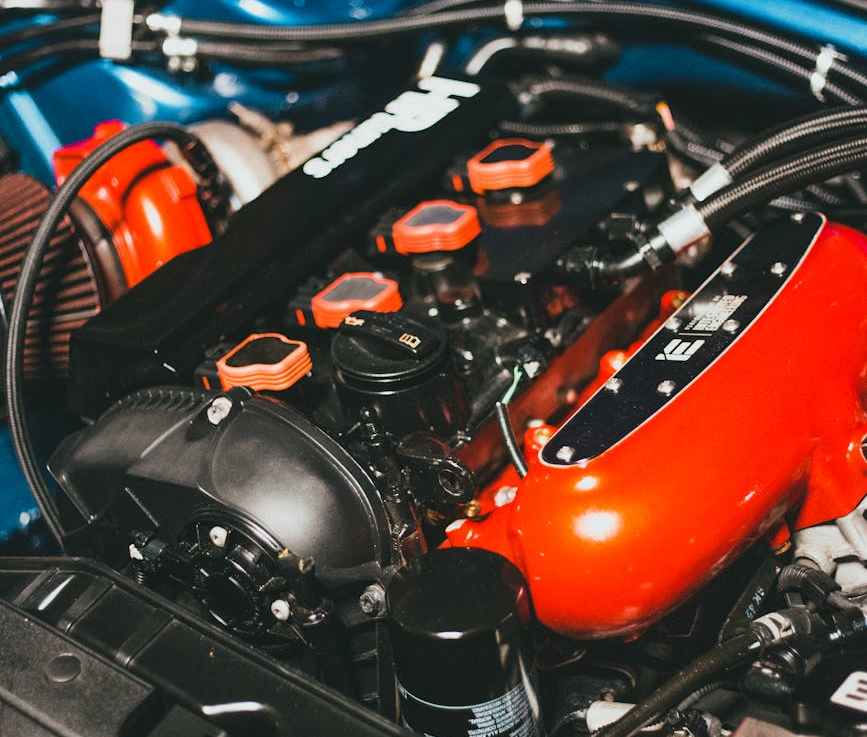
Cars burn in engine cylinders. To make sure they’re effectively transported to the exhaust system, special manifolds called Exhaust Manifolds collect them from their emission sources and funnel them into a single pipe to the next stage of the exhaust system.