Month: August 2024

Block and Tackles

Block and Tackles

Block and Tackles

08/21/24

“How can two or more pulleys be used together to lift heavy objects?”

Pulleys can use mechanical advantage to transmit greater force than inputs. Any system with two or more pulleys with a rope or cable connecting them is known as a Block and Tackle. Block and tackles are one of the main mechanisms behind cranes.

Chemical Suspension

Chemical Suspension

Chemical Suspension

08/19/24

“What happens when a solid doesn’t dissolve when mixed in a liquid?”

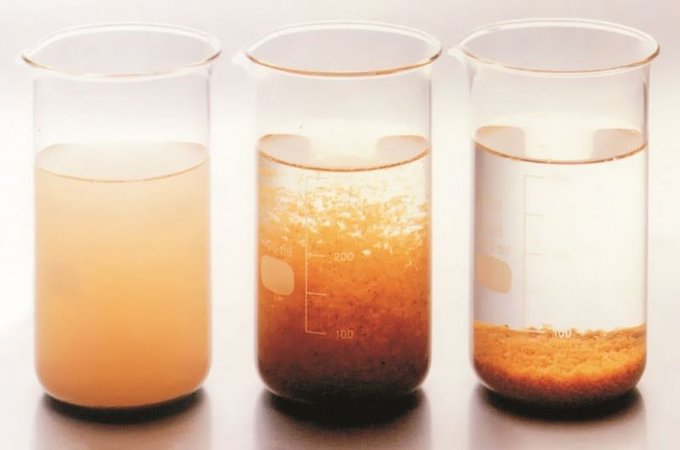
Solids can be mixed into liquids. However, sometimes they don’t dissolve but are freely suspended and move around inside. Sand mixed in water is an example of this Chemical Suspension phenomenon.

Colloids And Dispersion

Colloids And Dispersion

ColloidsAand Dispersion

08/17/24

“What are substances that are evenly dispersed throughout another?”

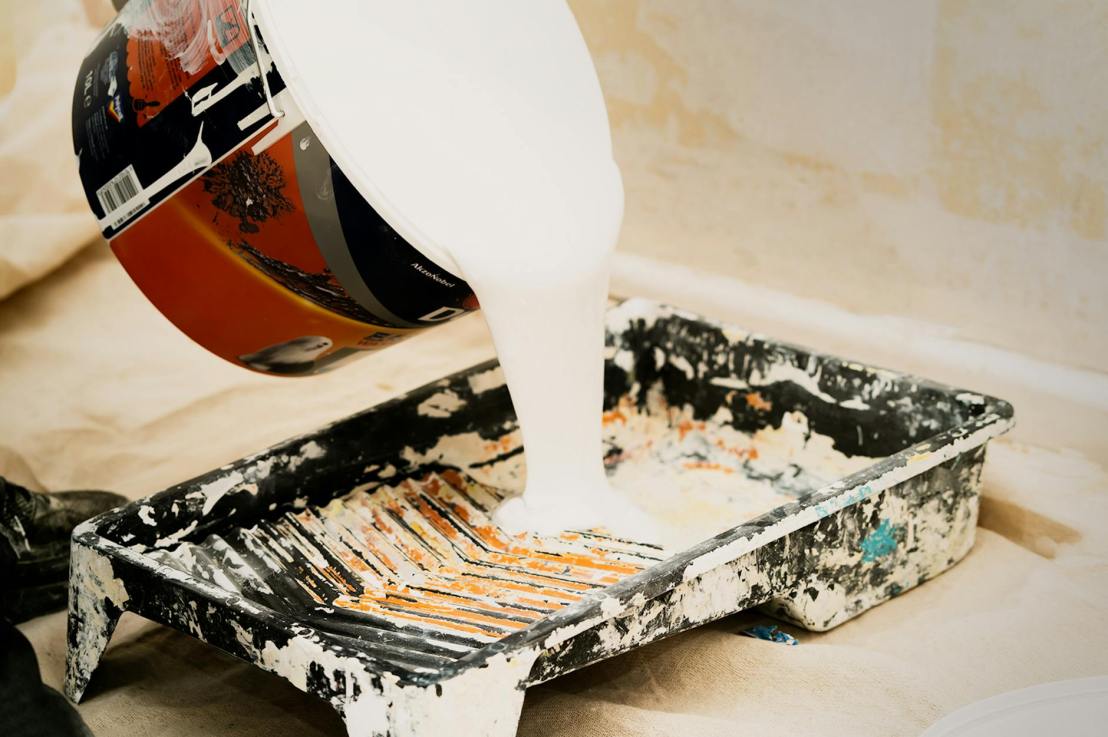
Substances that are suspended throughout another retain their distinct properties. If they are distributed three-dimensionally evenly around the solvent they are labeled colloids. Everyday colloid substances include paint, memory foam, and mayonnaise. This is how Colloids And Dispersion work.

Coagulation For Water Treatment

Coagulation For Water Treatment

Coagulation For Water Treatment

08/16/24

“How can we filter mixed contaminants in water as separate solids?”

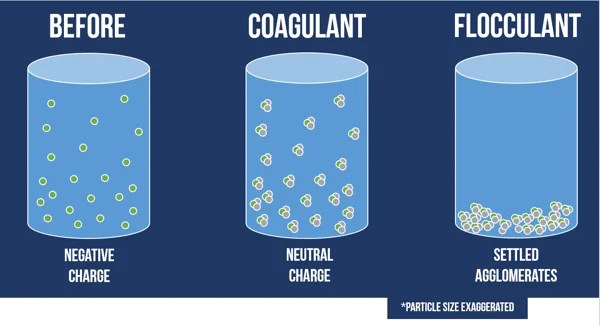
Contaminants mixed in with water can be very difficult to filter out. They seem stuck and stubbornly hold on. But what if we could apply some of our chemical knowledge to solve this? Well, we know that some pollutants have a slight negative charge. So what if we were to insert a non-toxic positively charged material that would bond with the negatively charged material? That way we can then physically filter out the pollutants. This process is called Coagulation For Water Treatment and is a common application around the world.

Image credit https://www.dober.com/

Filter Cakes

Filter Cakes

Filter Cakes

08/14/24

“What is the material left behind mechanical filters?”

Mechanical filters use small gratings to remove solid material from a fluid forcibly. However, some of the solids may stay attached to the filter. Over time this material will build up behind the filter and form a Filter Cake. Filter cakes can impinge the effectiveness of filters by letting less water pass through.

Image credit: https://upload.wikimedia.org/

Phosphorous Water Pollution Remediation

Phosphorous Water Pollution Remediation

Phosphorous Water Pollution Remediation

08/13/24

“How can we remove phosphorous pollution from water?”

Phosphorous pollution can lead to algae outbreaks in water bodies, choking off life that lives there. So how can we take phosphorous pollution out of the water? Well, it turns out there are many ways to do this. Phosphorous can be removed chemically through iron and aluminum coagulants, biologically through specialized bacteria, or physically through sand filtration and membrane technologies. Phosphorous Water Pollution Remediation is a necessary step to healing tainted water.

Image credit https://news.illinois.edu/

Nitrogen Water Pollution Remediation

Nitrogen Water Pollution Remediation

Nitrogen Water Pollution Remediation

08/12/24

“How can we remove nitrogen pollution from water?”

Nitrogen pollution can lead to algae outbreaks in water bodies, choking off life that lives there. So how can we take nitrogen out of the water? Well, what if we were to use a series of bacteria to convert the excess nitrogen to another form? This is how Nitrogen Water Pollution Remediation works and is an important part of keeping wastewater treatment plants operational.

Sources of Phosphorous Water Pollution

Sources of Phosphorous Water Pollution

Sources of Phosphorous Water Pollution

08/11/24

“What are sources of phosphorous pollution in water?”

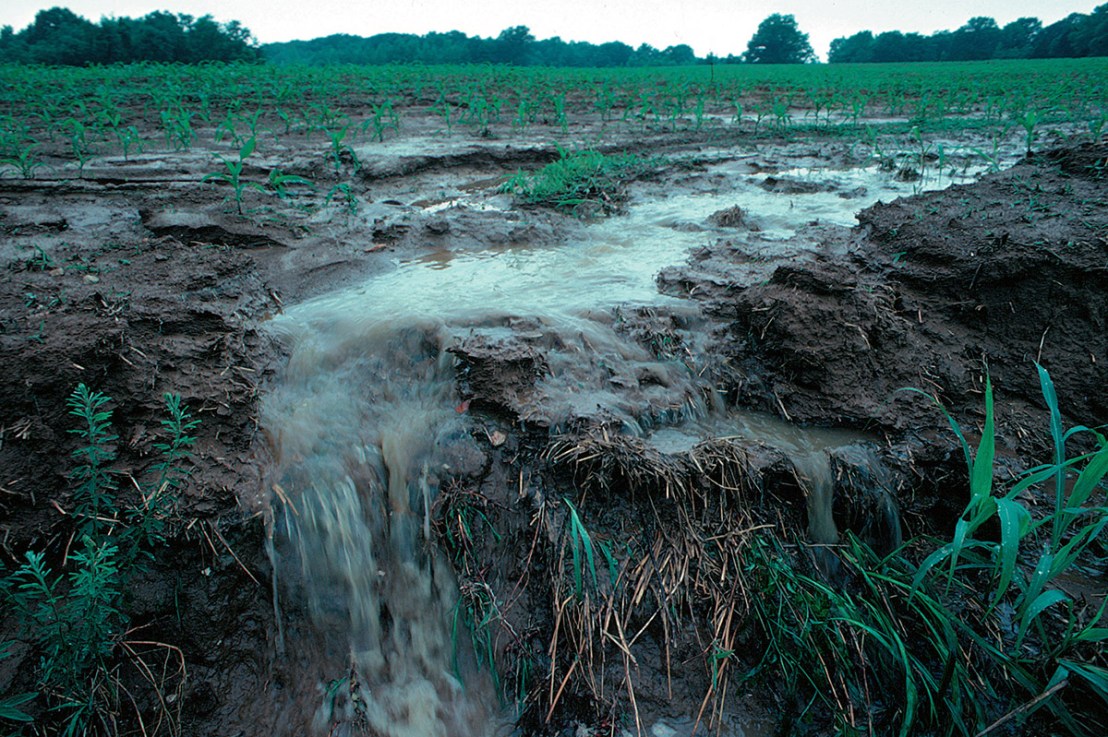
Phosphorous pollution in water can cause explosive algae growth. Sources of phosphorous pollution usually come from phosphorous-rich substances like fertilizers, plant decomposition, pet waste, geological phosphate material, and wastewater. These came seep in through storms, runoff, spills, and infiltration. These are the primary Sources of Phosphorous Water Pollution.