Month: August 2024

Human Impact on Sedimentation

Human Impact on Sedimentation

Human Impact on Sedimentation

08/31/24

“How can humans have an impact on sedimentation?”

Sedimentation occurs with the presence of sediments. Human activity such as dam creation or infrastructure construction can disrupt the environment by increasing the amount of sediment in the water. 
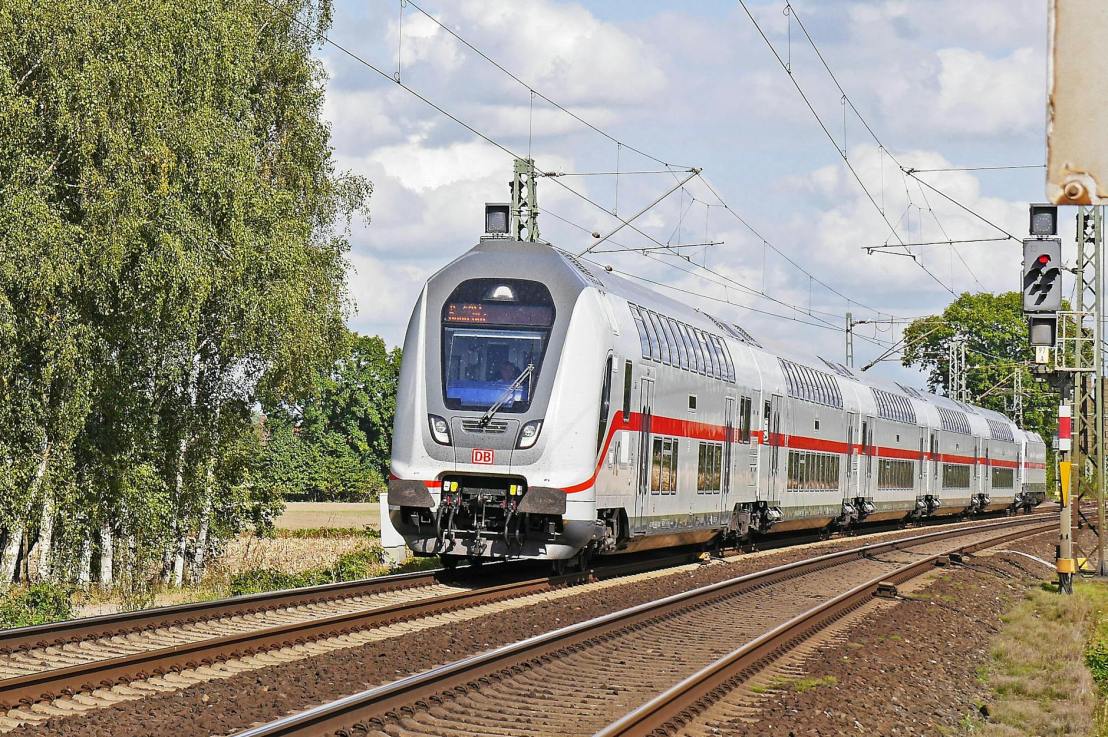
Multiple-Unit Trains

Multiple-Unit Trains

Multiple-Unit Trains

08/30/24

“What happens when there are multiple train units connected to one another?”

Trains come in all shapes and sizes. Some have multiple carriages connected one after another. These are known as Multiple-Unit Trains and comprise a large portion of trains in operation today.

Heritage Streetcars

Heritage Streetcars

Heritage Streetcars

08/29/24

“Why do cities have heritage streetcars?”

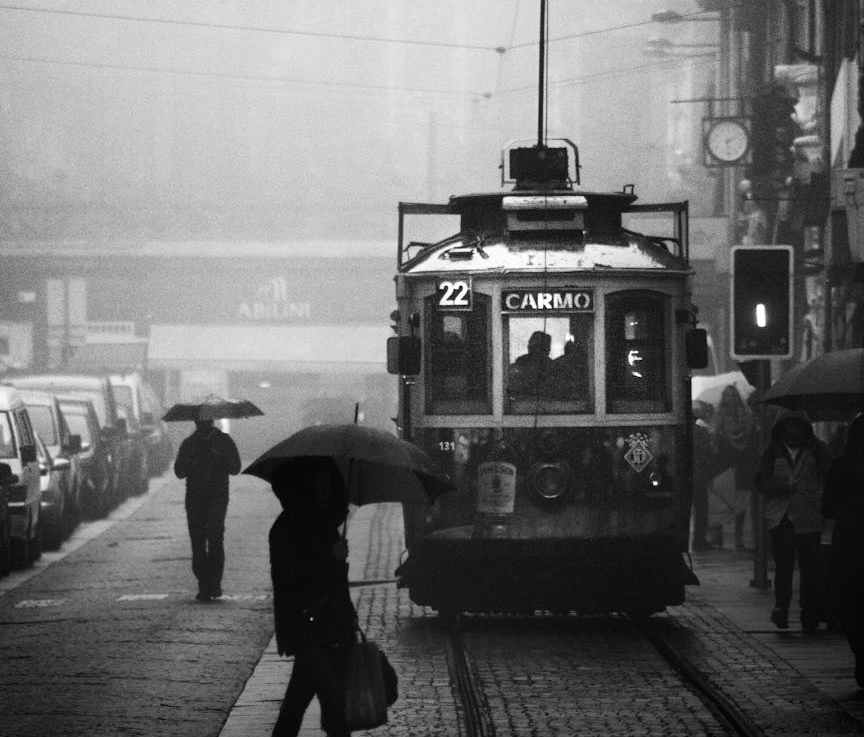
Streetcars were historically a very popular form of urban transportation. However, with the arrival of the automobile and the introduction of more advanced trams, their popularity fell. Some cities have taken to preserving specific lines through Heritage Streetcars. Heritage streetcars can be seen in cities all over the world, from Nagasaki to San Francisco to Amsterdam.

Current Collectors

Current Collectors

Current Collectors

08/28/24

“How is electricity for electrified rail systems transferred from supply to machinery?”

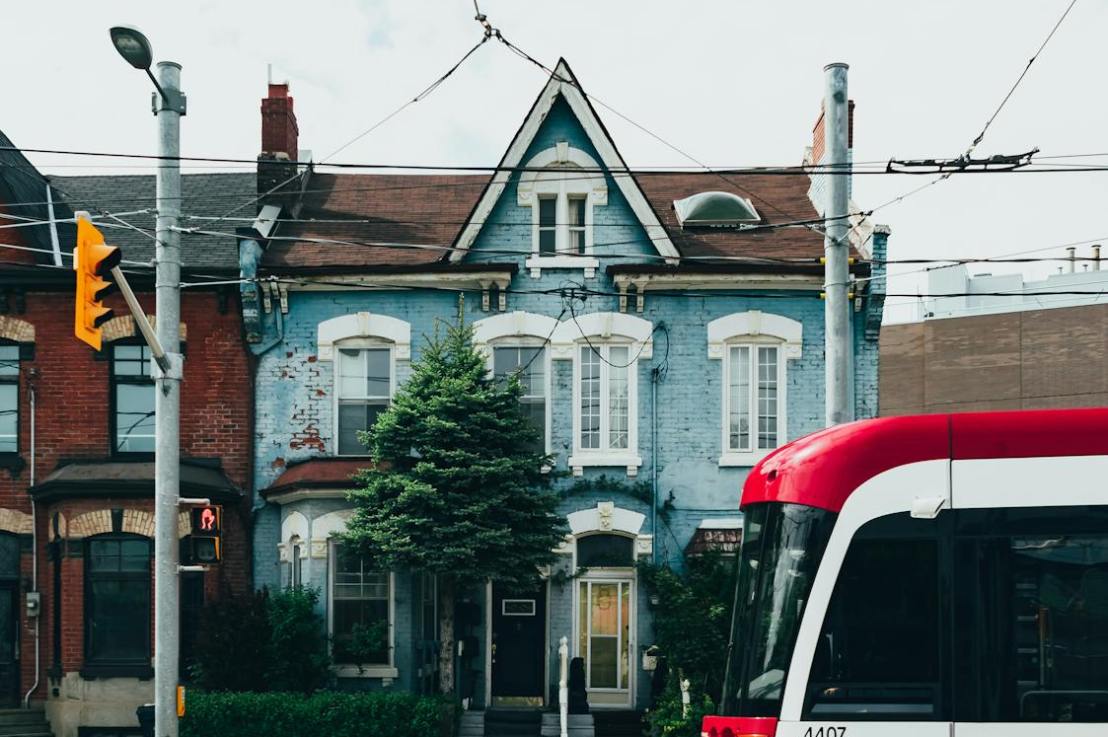
Electrified rail systems, whether they be high-speed locomotives or simple trams, need electric current to power their operations. This is typically done through a current collector, where a device transfers electric current from supply sources to the rail car.

Sedimentation

Sedimentation

Sedimentation

08/26/24

“What is sedimentation?”

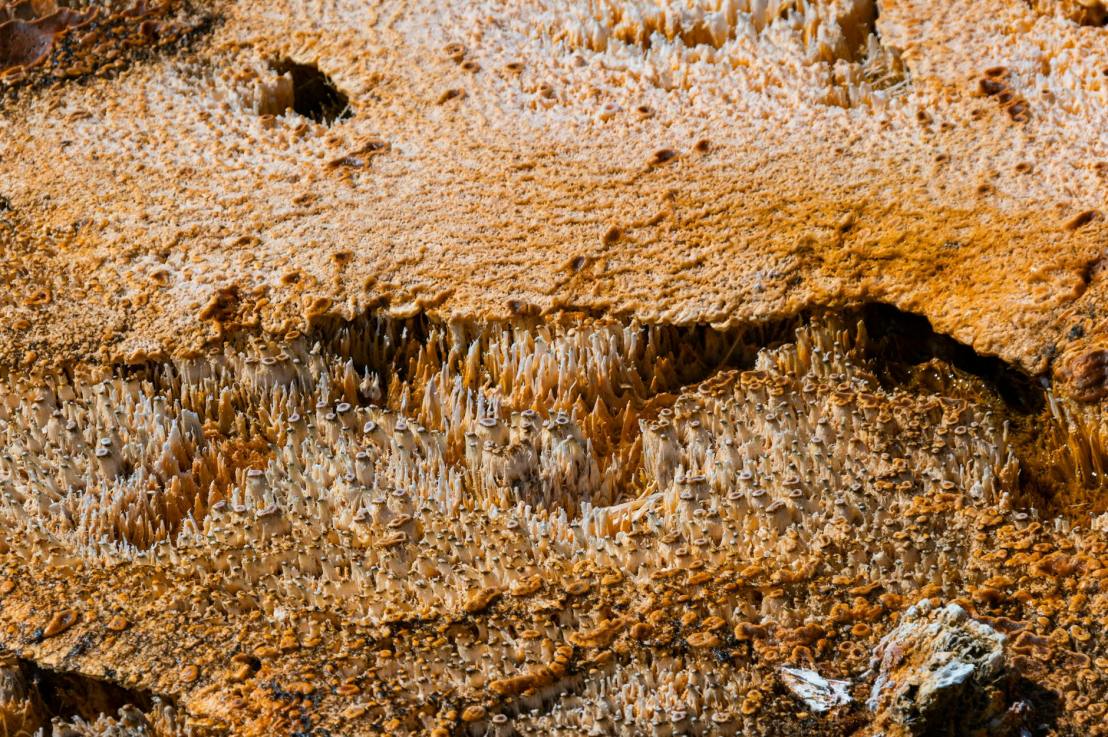
Sediments are solid objects moved by natural processes. Sediments in water may start out suspended but then settle at the bottom of the water body because of gravity. Eventually, layers of physical material will develop, which can create soil, sedimentary rocks, and fossil preserves. This process is known as Sedimentation and can lead to drastic geological transformations.

Sediment

Sediment

Sediment

08/25/24

“How do we classify solid material transported by natural processes?”

Natural processes transport all kinds of material from one place to another. Solid material moved by natural processes is called sediment and is one of the core geological functions of the planet. 

Septic Tanks

Septic Tanks

Septic Tanks

08/24/24

“How do septic tanks work?”

Wastewater needs to be purified before it reaches groundwater supplies again. However, many water purification techniques use electricity to work. How can we accomplish this without electricity? Well, what if we were to flush wastewater into an underground tank. The heavy solid contaminants in the wastewater would sink to the bottom, and lighter ones would float to the top and form a scum layer. Over the span of one to two days, the solids should break down into scum. Now what if this tank were to have bacteria that breaks down the solid waste? When the tank fills up more, the liquid will empty into the drainfield and become absorbed by the soil. The bacteria in the soil layers will cleanse the water of contaminants, and eventually transfer it to the groundwater layer. These machines called Septic Tanks are a real thing and this is how they work.

Image credit https://assets-global.website-files.com/

Overhead Catenary Systems

Overhead Catenary Systems

Overhead Catenary Systems

08/23/24

“How do overhead catenary systems work?”

Electricity powers much of modern-day transit. So what is a cheap, safe way to move metro trams? Well, what if we were to have two parallel wires connected every few meters by a link. When a tram makes contact with the lower wire, it generates friction, allowing electricity to seep from the higher wire to the lower one. This setup called an Overhead Catenary System, is safer and cheaper than third rail systems. 

Sewage

Sewage

Sewage

08/22/24

“What is sewage?”

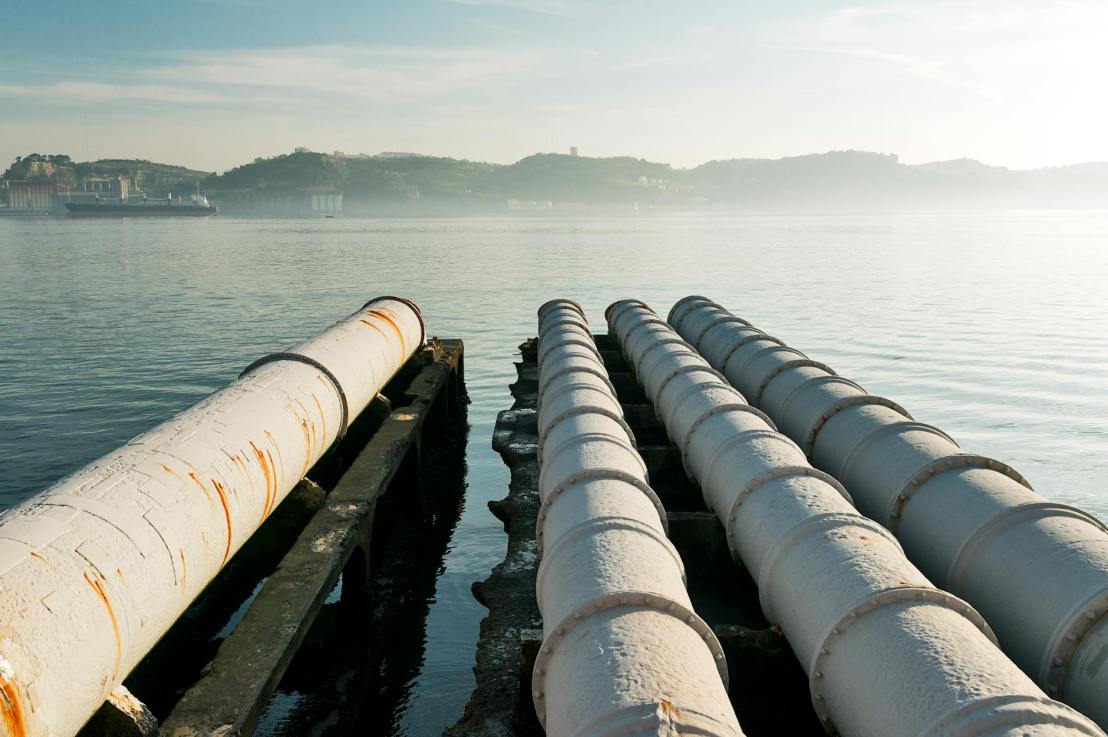
Wastewater can contain all types of pollutants. Wastewater that specifically carries human waste (feces and/or urine) is known as Sewage. Sewage is a public health hazard and must be stored and treated away from people.