Month: April 2017

Fracking pollution

Fracking pollution

Fracking pollution

04/03/17

“How does fracking cause pollution? ”


Now that the fracking process has been covered, it would only be logical to cover how fracking causes pollution as well.


When natural gas is suctioned up from the Earth, the coarse and toxic fracking fluid is taken in with it. Since this material is completely corrosive, it must be stored somewhere. Usually, this fluid will be kept in deep underground “pits” strewn throughSincearea. SInce these pits are dug into the earth, the stored waste can seep into the surrounding area and pollute groundwater that is used by humans. Not only this, but earthquake frequency also skyrockets as pushing fluids deep underground degenerates the earth’s internal structure.
If you have carefully read through this series of articles, you should now have the necessary knowledge to make informed voting and policy decisions regarding fracking
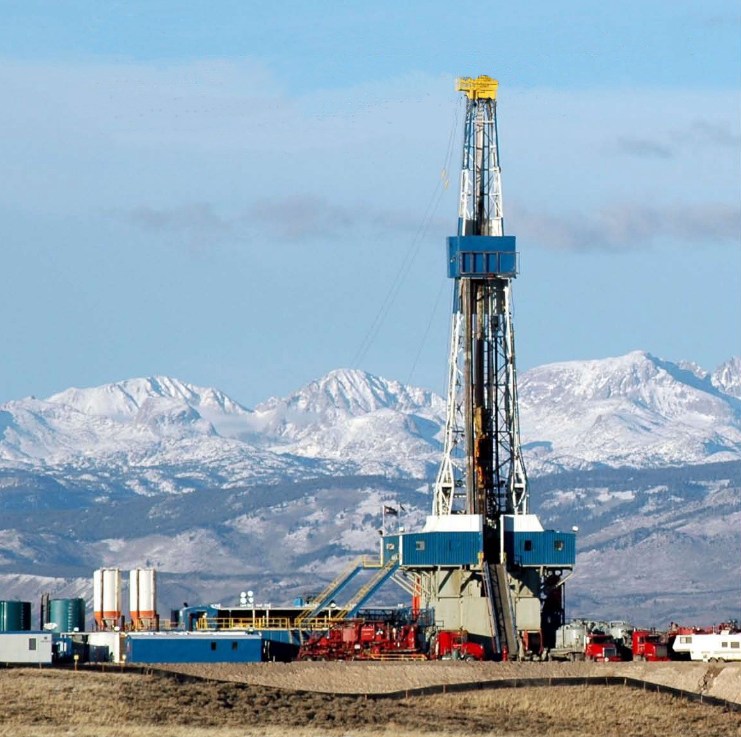
The fracking process

The fracking process

The fracking process

04/02/17

“How exactly does fracking happen?”


Turn to any energy new source and you are bound to read debates about a nascent energy process called fracking so heated that they could power a steam turbine. However, before we make any decisions regarding its benevolence or malevolence, it is our duty as scientific thinkers to learn about the fundamental process first.


Until recently, natural gas was thought to be a worthwhile extraction only if it was found in dense quantities. However, there is an expansive amount of such resources scattered within rock formations hundreds of feet below the Earth’s surface. Since these reserves hold voluminous potential, petroleum engineers came up with a method known as hydraulic fracking. With fracking, pipes are constructed that will delve hundreds of feet below the Earth’s crust to thrust high-pressure fluids (containing water, proppant, and chemical additive) to open up the natural-gas containing rocks. Once cracked, the fluid will then be sucked back into a container, where the waste fluid will be separated from the natural gas, therefore producing energy-containing materials.


Now that we know more about this fracking process, we can act as informed citizens and vote accordingly. Tune in to learn about the environmental hazards of this method


Substitutional solid solutions

Substitutional solid solutions

Substitutional solid solutions

04/01/17

“What happens when an element that follows the Hume-Rothery rules dissolves into another element?”
Given the right set of conditions, elements can dissolve into others elements. This means that the solute will lose its own pre-defined structure and are fused into the solvent. However, how does the solute merge into the solvent on a microscopic level? Well, let’s do as scientists do and observe. If an element follows the Hume-Rothery rules, then it probably has a similar size atomic size, packing structure, electronegativity, and affinity, and it probably looks and acts much like the solvent atoms. And if we observe closer, wouldn’t it be logical that an element so similar could pass itself off as the solvent atom and substitute itself into the original structure? Well, it turns out that such phenomena exist, and solutions of this type are known as substitutional solid solutions, and can be used to strengthen a material through impurities